How to Care for a Peace Lily
How to Care for a Peace Lily
Contents
- Quick Care Summary
- How Often Should I Water My Peace Lily?
- What’s the Best Light and Placement for Peace Lilies?
- What Soil Should I Use, and When Should I Repot?
- How Do I Propagate Peace Lilies?
- What Are Common Problems with Peace Lilies?
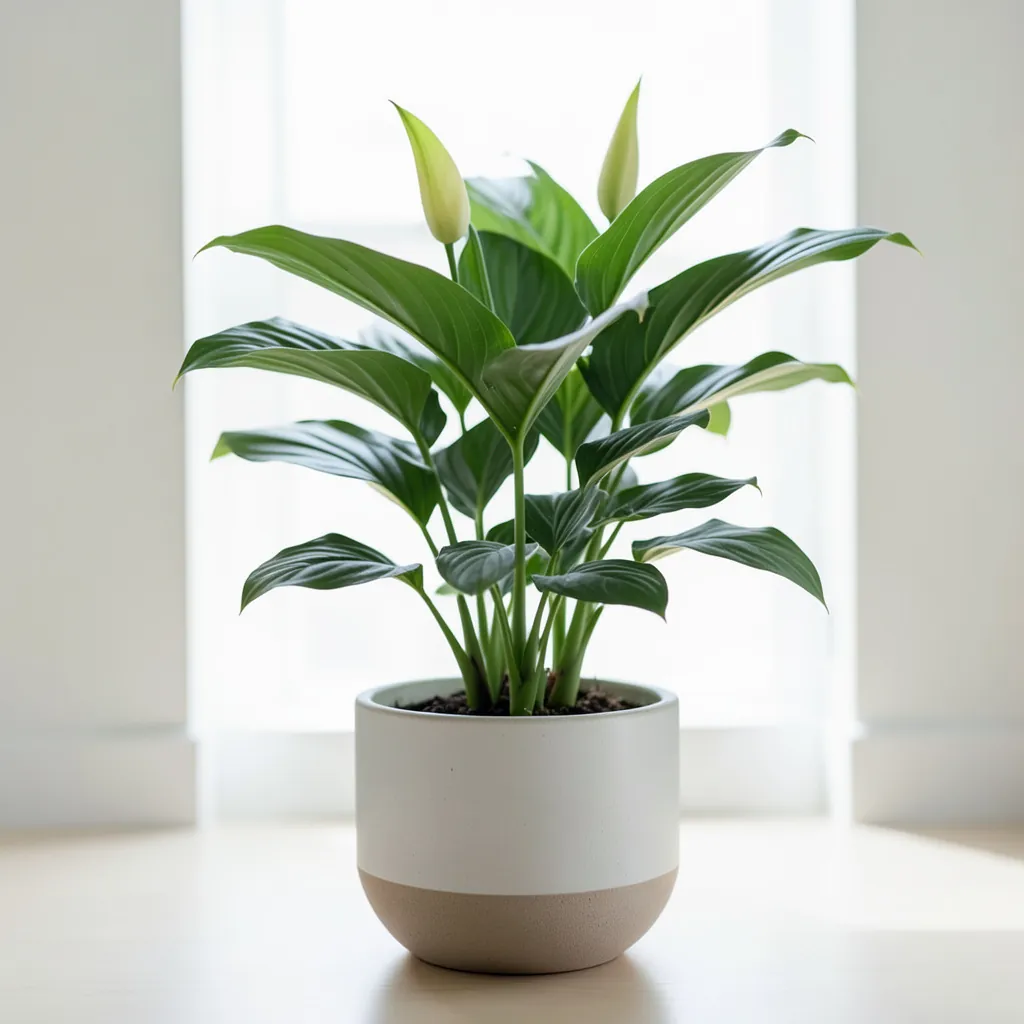
Peace lilies (Spathiphyllum) are popular houseplants known for their glossy, dark green leaves and elegant white spathes. These tropical plants are easy to care for, thrive in low-to-medium light, and are celebrated for their air-purifying qualities.
Quick Care Summary
- Light: Bright, indirect light; avoid direct sunlight.
- Water: Keep soil evenly moist; water when the top inch is dry.
- Humidity: Moderate to high; mist leaves or use a humidity tray.
- Temperature: 12–24°C (55–75°F); avoid drafts and radiators.
- Soil: Well-draining, peat-based potting mix.
- Toxicity: Toxic to pets and humans if ingested; wear gloves when handling.
How Often Should I Water My Peace Lily?
Peace lilies prefer consistently moist soil but are sensitive to overwatering. Water thoroughly when the top inch of soil feels dry, typically once a week. Reduce watering in winter when growth slows. Use filtered or rainwater if possible, as tap water’s fluoride can damage foliage. If leaves droop, it’s a sign of underwatering—water promptly and the plant will recover.
What’s the Best Light and Placement for Peace Lilies?
Peace lilies thrive in bright, indirect light, such as near a north- or east-facing window. Avoid direct sunlight, which can scorch the leaves. While they can tolerate low light, they may not flower in such conditions. Rotate the pot occasionally to ensure even growth.
What Soil Should I Use, and When Should I Repot?
Use a well-draining, peat-based potting mix. Repot every 1–2 years in spring when roots become crowded. Choose a pot only slightly larger than the current one to prevent waterlogging. Overpotting can lead to root rot, a common issue with peace lilies.
How Do I Propagate Peace Lilies?
Propagation is best done by division in spring. Remove the plant from its pot, gently separate the root clump into smaller sections, and replant each section in fresh soil. Wear gloves to avoid skin irritation from the plant’s sap.
What Are Common Problems with Peace Lilies?
- Yellow Leaves: Overwatering or aging leaves. Trim yellow leaves at the base.
- Brown Leaf Tips: Low humidity or fluoride in tap water. Increase humidity or use filtered water.
- Root Rot: Caused by overwatering. Ensure proper drainage and reduce watering frequency.
- Pests: Spider mites, aphids, or mealybugs may appear. Wipe leaves with a damp cloth or use insecticidal soap.
FAQ
Q: Why isn’t my peace lily flowering?
A: Insufficient light is the most common cause. Move the plant to a brighter location and ensure it’s receiving adequate nutrients.
Q: Are peace lilies toxic to pets?
A: Yes, peace lilies are mildly toxic to cats and dogs if ingested. Keep them out of reach.
Q: Can peace lilies grow in low light?
A: Yes, they can survive in low light but may not flower. Bright, indirect light is ideal for optimal growth and blooms.
Q: How do I increase humidity for my peace lily?
A: Mist the leaves regularly, place the pot on a tray of damp gravel, or use a humidifier.
Peace lilies are perfect for bringing a touch of tranquility and elegance to any indoor space.
Related guides
- How to Care for Alocasia: A Complete Guide
- Areca Palm Care Guide
- Best Plants for Bathrooms: Top Picks for High Humidity
- bird of paradise care guide
- Bird of Paradise Plant Care: Complete Indoor Growing Guide