Pachira Aquatica (Money Tree) Care Guide
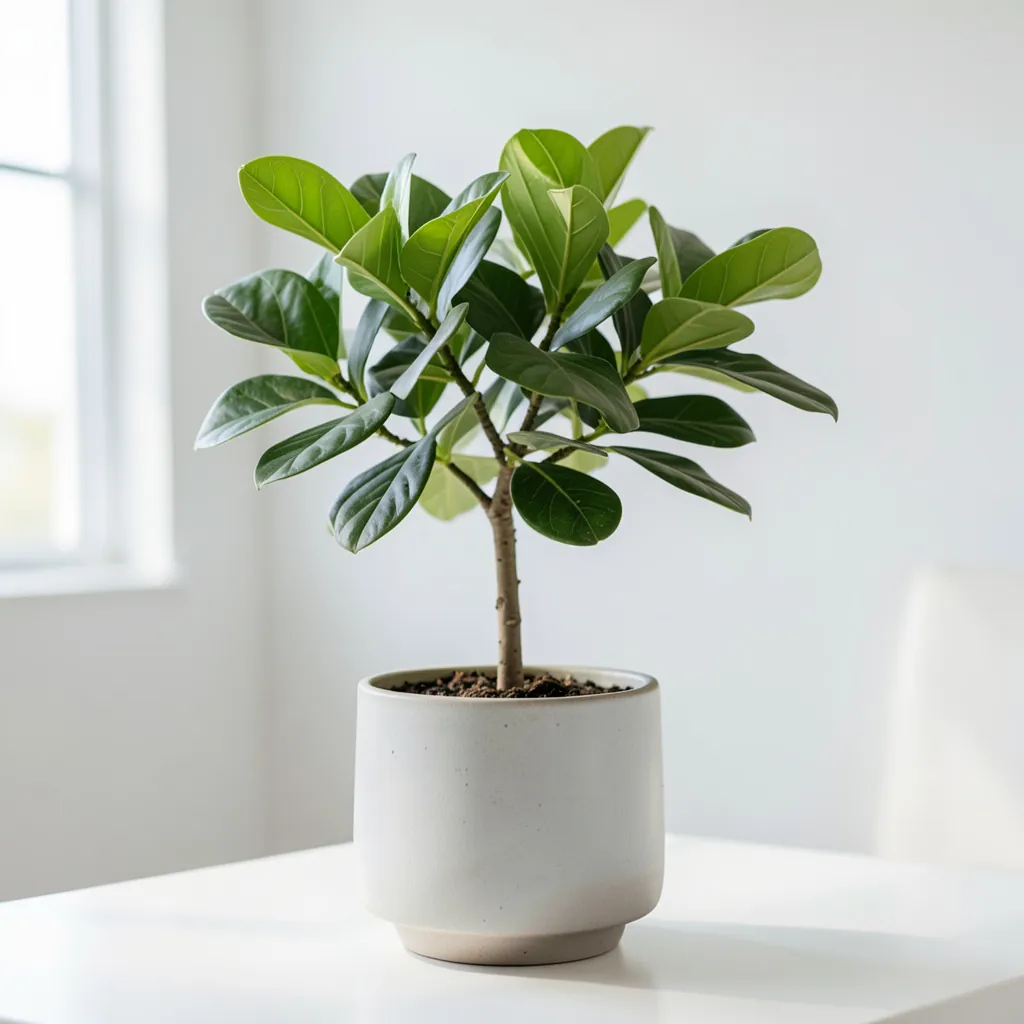
Pachira Aquatica (Money Tree) Care Guide
Contents
- Light
- Watering
- Humidity and Temperature
- Soil and Fertilizer
- Repotting
- Propagation
- 🩺 Common Problems
- 🐾 Pet Safety and Toxicity
- 💡 Care Tips
- ❓ FAQ
🪴 Pachira aquatica, commonly known as the Money Tree, is a popular tropical houseplant valued for its braided trunk and glossy, palmate leaves. It’s associated with good luck and prosperity in Feng Shui, making it a favorite for homes and offices.
Light: Bright indirect
Water: When the top 1-2 inches of soil are dry
Humidity: 40-70%
Temperature: 65-80°F (18-27°C)
Soil: Well-draining mix (peat, perlite, loam, or sand)
Difficulty: Easy to moderate
Toxicity: Mildly toxic to cats and dogs (seeds only; houseplants rarely produce them)
Mature Size: 6-8 ft indoors (up to 30 ft outdoors)
Light
How much light does a Money Tree need?
Prefers bright indirect light (800–10,000 Lux) but tolerates partial shade. Avoid direct sunlight, which causes leaf scorch (brown patches). In low light, growth slows, and leaves may yellow.
Watering
How often to water a Money Tree?
Water when the top 1-2 inches of soil are dry. Reduce frequency in winter (water only when soil is mostly dry). Overwatering causes root rot (mushy stems); underwatering leads to crispy leaf edges.
Humidity and Temperature
Ideal conditions: Maintain 40-70% humidity (mist leaves or use a humidifier if air is dry). Keep temperatures between 65-80°F (13°C minimum). Avoid drafts and sudden temperature changes.
Soil and Fertilizer
Best soil mix: Well-draining blend of peat moss, perlite, and loam or sand. Fertilize monthly in spring/summer with balanced liquid fertilizer (diluted to half-strength). Avoid winter feeding.
Repotting
When and how to repot?
Repot every 2-3 years in spring:
- Choose a pot 2 inches larger with drainage holes.
- Gently untangle roots if root-bound.
- Use fresh well-draining soil.
Note: Braided trunks may need staking after repotting.
Propagation
How to propagate?
- Take 6-inch stem cuttings in spring.
- Remove lower leaves; dip in rooting hormone.
- Plant in moist peat-perlite mix.
- Cover with plastic for humidity; roots form in 4-6 weeks.
(Seed propagation is rare for houseplants.)
🩺 Common Problems
| Symptom | Cause | Fix |
|---|---|---|
| Yellow leaves | Overwatering/low light | Check soil moisture; move to brighter spot |
| Brown tips | Low humidity/dry soil | Mist leaves; water more consistently |
| Drooping | Underwatering/root rot | Adjust watering; trim rotten roots |
| No growth | Low light/cold temps | Move to warmer, brighter location |
🐾 Pet Safety and Toxicity
Mildly toxic to cats and dogs if seeds are ingested (rare for indoor plants), causing vomiting or diarrhea. Keep braided trunks out of reach as they may attract chewing.
💡 Care Tips
- Rotate the plant monthly for even growth.
- Dust leaves regularly to maintain photosynthesis.
- Avoid placing near AC vents or heaters.
- Trim yellow leaves to encourage new growth.
❓ FAQ
Is the Money Tree toxic to pets?
Only the seeds are mildly toxic (rare indoors). Monitor pets around braided trunks.
Why are leaves turning yellow?
Usually due to overwatering or low light. Check soil and adjust conditions.
How fast does it grow?
Grows rapidly outdoors (up to 30 ft); indoors, expect 6-8 ft over years with proper care.
Can it tolerate low light?
Survives in medium light (800–1,500 Lux) but thrives in bright indirect light.
How to revive an overwatered plant?
Trim rotten roots, repot in dry soil, and reduce watering frequency.
Related guides
- How to Care for Alocasia: A Complete Guide
- Areca Palm Care Guide
- Best Plants for Bathrooms: Top Picks for High Humidity
- bird of paradise care guide
- Bird of Paradise Plant Care: Complete Indoor Growing Guide