Moss Pole for Climbing Plants: A Complete Care Guide
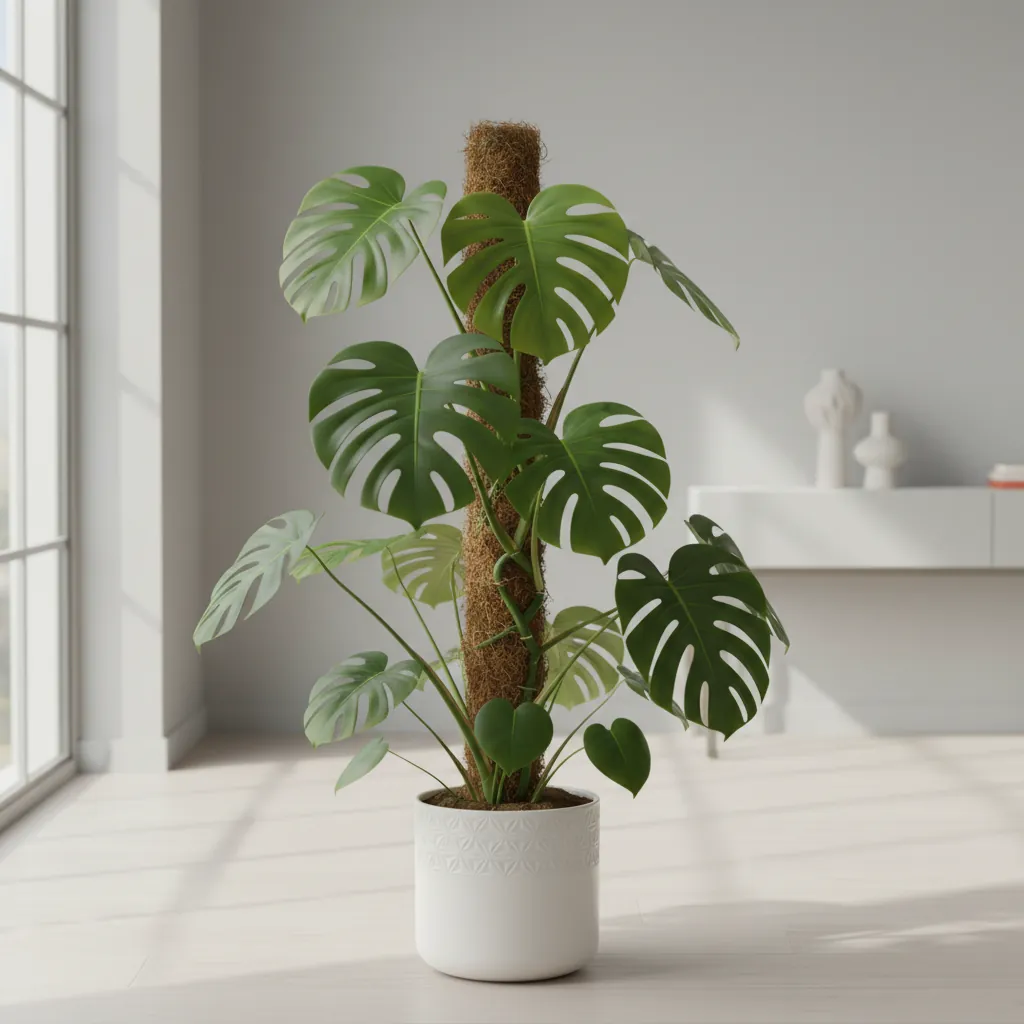
Moss Pole for Climbing Plants: A Complete Care Guide
Contents
- Quick Care Summary
- Why Use a Moss Pole?
- Types of Moss Poles
- How to Set Up Your Moss Pole
- Maintenance Tips
- Common Problems and Solutions
Moss poles are essential for supporting climbing plants like Monstera, Philodendron, and Pothos, mimicking their natural habitat. They provide a sturdy surface for aerial roots to attach, promoting healthier growth and larger leaves. Whether you buy a pre-made pole or DIY one, moss poles are a game-changer for indoor gardeners.
Quick Care Summary
- Light: Bright, indirect light.
- Water: Keep moss damp; mist regularly or water the top of the pole.
- Humidity: High humidity (60-80%) is ideal.
- Temperature: 65-85°F (18-29°C).
- Soil: Well-draining, peat-based mix.
- Toxicity: Non-toxic and pet-safe.
Why Use a Moss Pole?
Climbing plants naturally attach to trees in the wild. Moss poles replicate this environment, encouraging vertical growth and larger, more vibrant leaves. They also help keep plants compact and prevent sprawling.
Types of Moss Poles
| Feature | Pre-made Moss Poles | DIY Moss Poles |
|---|---|---|
| Material | Sphagnum moss, coconut coir, or plastic | Sphagnum moss, coco coir, or hardware cloth |
| Ease of Use | Ready to use; minimal setup | Requires assembly and soaking |
| Cost | $10-$30 | $5-$15 |
| Flexibility | Some options are bendable or stackable | Fully customizable |
| Moisture Retention | High with sphagnum moss | Depends on materials used |
How to Set Up Your Moss Pole
- Choose the Right Pole: Select a pole that matches your plant’s size and growth rate.
- Insert the Pole: Place the pole deep into the pot’s soil, ensuring stability.
- Attach the Plant: Use soft ties (e.g., jute rope) to gently secure the plant to the pole.
- Keep it Moist: Mist the pole regularly or water from the top to keep it damp.
Maintenance Tips
- Watering: Mist the pole daily or pour water into the top to maintain moisture.
- Cleaning: Remove any dead leaves or debris to prevent pests.
- Replacement: Replace moss poles every 1-2 years as they degrade.
Common Problems and Solutions
- Yellow Leaves: Overwatering or insufficient light. Adjust watering and lighting.
- Pests: Inspect regularly for spider mites or mealybugs. Use neem oil or insecticidal soap.
- Root Rot: Ensure proper drainage in the soil and avoid overwatering.
FAQ
Q: Can I use a moss pole for any climbing plant?
A: Yes, moss poles work well for Monstera, Philodendron, Pothos, and other climbers.
Q: How often should I mist the moss pole?
A: Mist daily or whenever the moss feels dry to maintain moisture.
Q: Can I make my own moss pole?
A: Absolutely! Use sphagnum moss or coco coir wrapped around a PVC pipe or hardware cloth cylinder.
Q: Is a moss pole better than a trellis?
A: Moss poles are better for plants that naturally attach with aerial roots, while trellises work well for vining plants.
Q: How do I encourage my plant to attach to the pole?
A: Keep the moss damp and gently tie the plant’s stems to the pole using soft ties.
Related guides
- How to Care for Alocasia: A Complete Guide
- Areca Palm Care Guide
- Best Plants for Bathrooms: Top Picks for High Humidity
- bird of paradise care guide
- Bird of Paradise Plant Care: Complete Indoor Growing Guide
Sources
- DUSPRO 4 Pack 25 Inch Real Moss Pole for Monstera Bendable Plant Stakes, Sphagnum Handmade Slim Forest Moss Stick, Potted Plants Trellis Support/Totem Perfect for Climbing Plants Indoor, Green : Amazon.co.uk: Garden - I love that this moss pole is flexible and small so it can fit in any size planter
- How to Make a DIY Moss Pole for Climbing Houseplants - How to Make a DIY Moss Pole for Climbing Houseplants