Monstera Care Guide
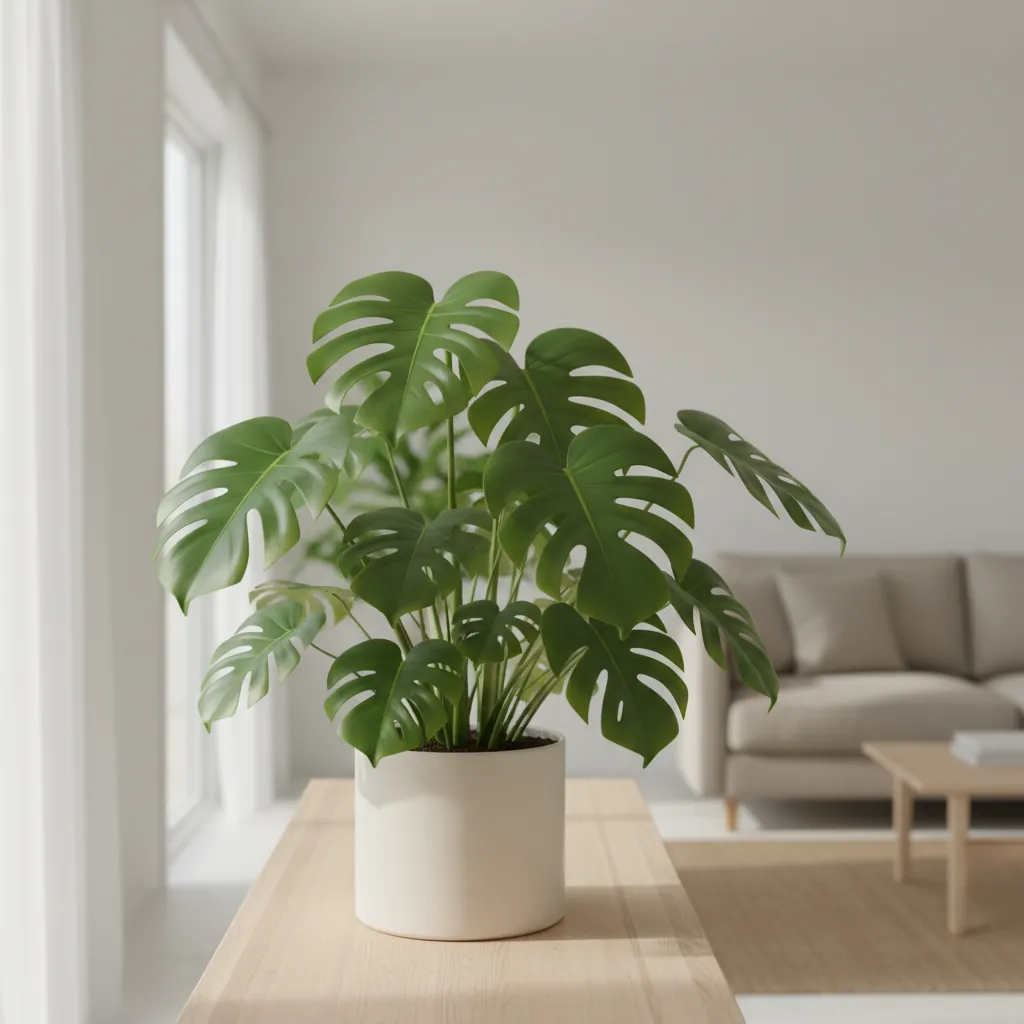
Monstera Care Guide
Contents
- Quick Care Summary
- How Often Should I Water My Monstera?
- What Light Does a Monstera Need?
- What Soil Is Best for Monstera?
- How Do I Propagate a Monstera?
- What Are Common Monstera Problems?
The Monstera, often called the Swiss Cheese Plant, is a tropical houseplant known for its large, glossy leaves with unique splits and holes (fenestrations). Its striking appearance and relatively low maintenance have made it a favorite among plant enthusiasts and interior designers alike. With the right care, your Monstera can thrive and become a stunning focal point in your home.
Quick Care Summary
- Light: Bright, indirect light.
- Water: Water when the top 2-3 inches of soil are dry, typically every 7-10 days.
- Humidity: Prefers 40-60% humidity, but tolerates average indoor humidity.
- Temperature: Keep between 65°F and 85°F (18°C to 29°C).
- Soil: Well-draining, nutrient-rich potting mix.
- Toxicity: Toxic to pets and humans if ingested.
How Often Should I Water My Monstera?
Water your Monstera when the top 2-3 inches of soil feel dry, usually every 7-10 days. Ensure thorough watering until excess drains from the pot’s bottom, but avoid letting the plant sit in water. Overwatering can lead to root rot, while underwatering may cause wilting and dry leaves. Adjust watering frequency based on seasonal changes—water less in winter when growth slows.
What Light Does a Monstera Need?
Monsteras thrive in bright, indirect light, mimicking the dappled sunlight of their native tropical habitats. Place them near an east or west-facing window, or a few feet from a south-facing window to avoid direct sunlight, which can scorch the leaves. Insufficient light can slow growth and reduce fenestration (leaf splits), so ensure your plant gets enough light.
What Soil Is Best for Monstera?
Use a well-draining, nutrient-rich potting mix. A blend of potting soil, perlite, and orchid bark works well to ensure proper aeration and drainage. Repot your Monstera every 2-3 years or when roots start growing out of the drainage holes, preferably in spring during its active growing season.
How Do I Propagate a Monstera?
Propagate Monstera by taking a stem cutting just below a node (where a leaf meets the stem), ensuring it has at least one leaf and an aerial root. Place the cutting in water or moist soil, keeping it in a warm, bright spot. Change the water weekly if propagating in water. Once roots are established (usually in a few weeks), transplant it into soil.
What Are Common Monstera Problems?
| Symptom | Cause | Solution |
|---|---|---|
| Yellow leaves | Overwatering or pests | Check soil moisture; treat pests if needed |
| Brown, crispy edges | Underwatering or low humidity | Water thoroughly; increase humidity |
| Leggy growth | Insufficient light | Move to a brighter location |
| No fenestration | Young plant or low light | Ensure bright, indirect light; be patient |
FAQ
Is Monstera toxic to pets?
Yes, Monstera is toxic to cats, dogs, and humans if ingested. Keep it out of reach of pets and children.
Can I grow Monstera outdoors?
Monsteras can be placed outdoors in summer but keep them in a shaded area to avoid direct sun. Bring them indoors when temperatures drop below 60°F (15°C).
Why are my Monstera leaves turning yellow?
Yellow leaves are often caused by overwatering. Ensure the soil dries out between waterings and check for proper drainage.
How do I encourage fenestration in Monstera leaves?
Fenestration occurs as the plant matures and receives adequate bright, indirect light. Ensure your Monstera gets enough light and be patient as it grows.
Should I mist my Monstera?
Misting can increase humidity but isn’t necessary unless your home is very dry. A humidifier or pebble tray is often more effective.
Related guides
- Fiddle Leaf Fig Care Guide
- Pothos Care: A Complete Guide to Growing Devil’s Ivy Indoors
- Snake Plant Care Guide