Monstera Adansonii Care Guide
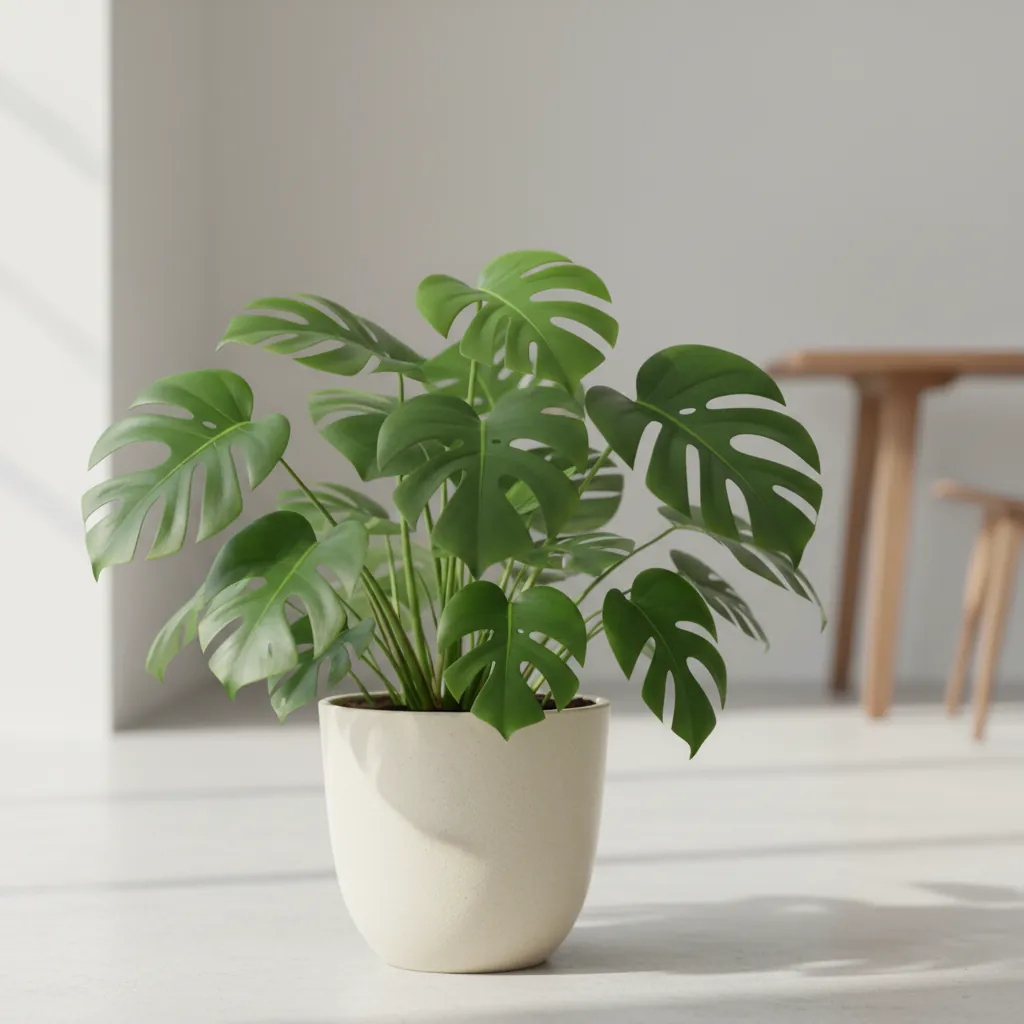
Monstera Adansonii Care Guide
Contents
- Quick Care Summary
- How Often Should I Water Monstera Adansonii?
- What Is the Best Light for Monstera Adansonii?
- What Soil Does Monstera Adansonii Need?
- How Do I Propagate Monstera Adansonii?
- What Are Common Problems with Monstera Adansonii?
- Monstera Adansonii Care Comparison Table
- FAQs
Monstera adansonii, also known as the Swiss Cheese Vine, is a popular houseplant prized for its unique, fenestrated leaves that resemble Swiss cheese. Its climbing or trailing habit makes it versatile for hanging baskets, shelves, or trellises, while its low-maintenance nature appeals to both beginner and experienced plant enthusiasts.
Quick Care Summary
- Light: Bright, indirect light (4-6 hours daily).
- Water: Keep soil moderately moist; water when the top 1-2 inches dry out.
- Humidity: Prefers high humidity (60-70%) but tolerates average levels.
- Temperature: Thrives in 65-80°F (18-26°C); protect from temperatures below 59°F (15°C).
- Soil: Well-draining, peat-based mix with perlite and orchid bark.
- Toxicity: Toxic to pets and humans if ingested.
How Often Should I Water Monstera Adansonii?
Water when the top 1-2 inches of soil feel dry. Overwatering can lead to root rot, so ensure the pot has drainage holes. Reduce watering frequency in winter during dormancy.
What Is the Best Light for Monstera Adansonii?
Place it in bright, indirect light for 4-6 hours daily. Avoid direct sunlight, which can scorch the leaves. While it can tolerate lower light, growth may slow, and leaf fenestrations may be less pronounced.
What Soil Does Monstera Adansonii Need?
Use a well-draining, peat-based mix with added perlite and orchid bark for aeration. Ensure the pot is at least 10cm deep and has drainage holes to prevent waterlogging.
How Do I Propagate Monstera Adansonii?
Propagate by taking stem cuttings with at least one node. Root in water or directly in soil. Change water weekly if propagating in water and transplant to soil once roots are 2-3 inches long.
What Are Common Problems with Monstera Adansonii?
- Yellow Leaves: Overwatering or poor drainage. Adjust watering and improve soil drainage.
- Pests: Aphids, mealybugs, and spider mites can infest stressed plants. Use mechanical removal or insecticidal soap; address underlying causes like low humidity or heat stress.
- Root Rot: Caused by overwatering or poorly draining soil. Repot in fresh, well-draining mix and trim affected roots.
Monstera Adansonii Care Comparison Table
| Aspect | Optimal Condition | Tolerable Condition |
|---|---|---|
| Light | Bright, indirect light | Low light (slower growth) |
| Water | Keep soil moderately moist | Allow slight drying between watering |
| Humidity | 60-70% | Average household humidity |
| Temperature | 65-80°F (18-26°C) | Not below 59°F (15°C) |
| Soil | Well-draining peat-based mix | Any well-draining soil |
FAQs
Is Monstera Adansonii toxic to pets?
Yes, it is toxic to both pets and humans if ingested. Keep it out of reach.
Can Monstera Adansonii grow in low light?
Yes, but growth will slow, and leaf fenestrations may be less pronounced. Bright, indirect light is ideal.
How do I increase humidity for my Monstera Adansonii?
Use a humidifier, mist the leaves regularly, or place the pot on a pebble tray filled with water.
How often should I fertilize Monstera Adansonii?
Fertilize monthly during the growing season (spring and summer) with a balanced, high-nitrogen liquid fertilizer.
Why are my Monstera Adansonii leaves turning yellow?
Yellow leaves are often caused by overwatering or poor drainage. Check the soil moisture and ensure the pot has drainage holes.
Related guides
- How to Care for Alocasia: A Complete Guide
- Areca Palm Care Guide
- Best Plants for Bathrooms: Top Picks for High Humidity
- bird of paradise care guide
- Bird of Paradise Plant Care: Complete Indoor Growing Guide