Maidenhair Fern Care: How to Grow This Delicate Houseplant
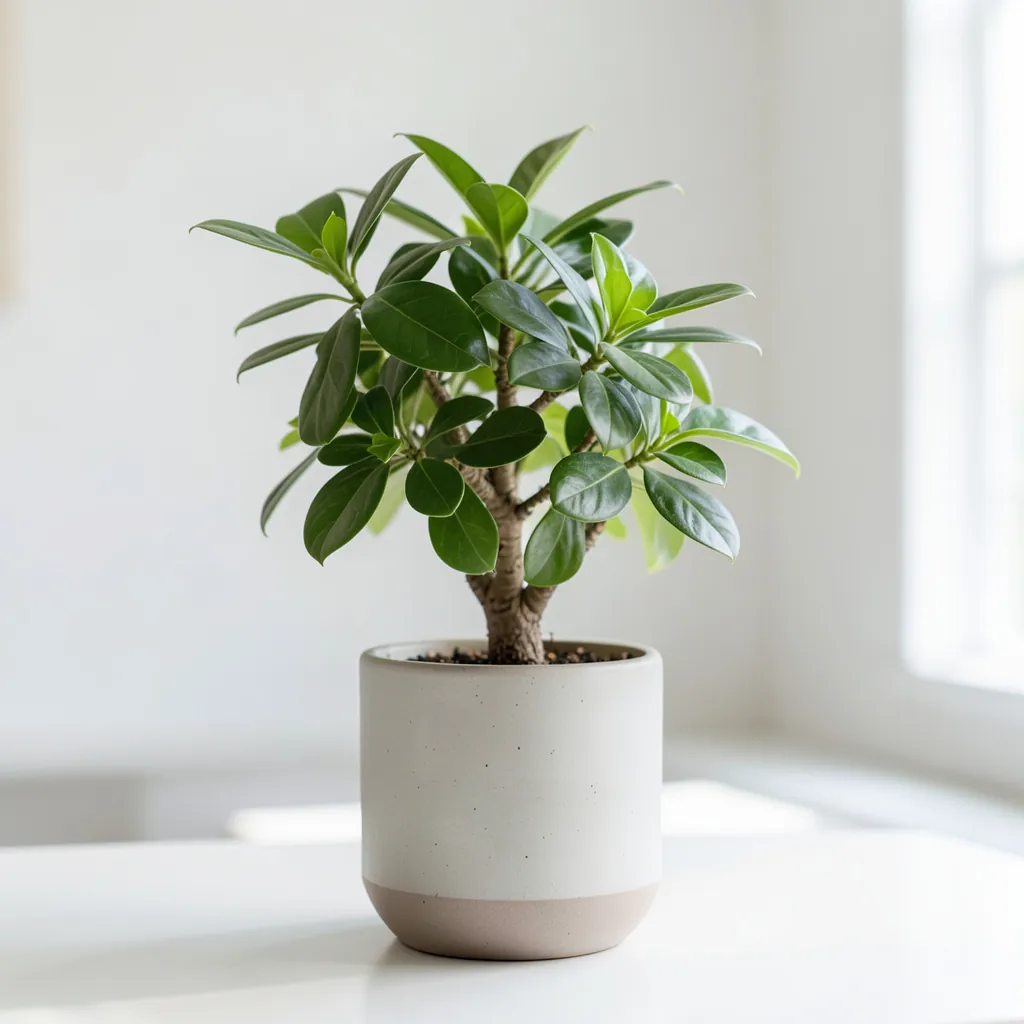
Maidenhair Fern Care: How to Grow This Delicate Houseplant
Contents
- How much light does a maidenhair fern need?
- How often should you water a maidenhair fern?
- What humidity and temperature do maidenhair ferns prefer?
- What type of soil and fertilizer is best?
- When and how do you repot a maidenhair fern?
- How do you propagate a maidenhair fern?
- 🩺 Common Problems and Solutions
- 🐾 Pet Safety and Toxicity
- 💡 Care Tips
- ❓ FAQ
🪴 Maidenhair ferns (Adiantum spp.) are prized for their lacy, delicate fronds and graceful appearance, making them a popular choice for indoor gardens. However, they require specific care to thrive indoors due to their sensitivity to dry air and irregular watering.
Light: Bright indirect
Water: Keep soil consistently moist (not soggy)
Humidity: High (50-60%+)
Temperature: 60-75°F (16-24°C)
Soil: Well-draining, rich in organic matter
Difficulty: Moderate
Toxicity: Pet-safe (non-toxic to cats and dogs)
Mature Size: 12-24 inches tall
How much light does a maidenhair fern need?
Maidenhair ferns thrive in bright, indirect light. An east-facing window is ideal, but they can tolerate a south- or west-facing window if shielded by a sheer curtain. Direct sunlight scorches their delicate fronds, while too little light causes poor growth and yellowing.
Signs of improper light:
- Too much light: Crispy, brown-tipped fronds
- Too little light: Sparse growth, pale or yellow leaves
How often should you water a maidenhair fern?
Keep the soil consistently moist but not waterlogged. Water when the top inch of soil feels dry, typically every 2-3 days in warm weather and weekly in cooler months. Use room-temperature water and ensure pots have drainage holes.
Signs of watering issues:
- Overwatering: Yellow leaves, mushy stems, root rot
- Underwatering: Fronds shrivel and turn brown
What humidity and temperature do maidenhair ferns prefer?
Maintain humidity above 50% with these methods:
- Group with other plants
- Use a humidifier
- Place on a pebble tray with water
Avoid drafts from vents or doors. Ideal temperatures are 60-75°F (16-24°C); avoid extremes below 50°F (10°C) or above 80°F (27°C).
What type of soil and fertilizer is best?
Use a well-draining mix of:
- 50% peat moss or coco coir
- 30% perlite
- 20% compost
Fertilize monthly in spring/summer with diluted (1/4 strength) balanced liquid fertilizer (e.g., 10-10-10). Avoid fertilizing in winter.
When and how do you repot a maidenhair fern?
Repot every 2-3 years in spring when roots outgrow the container:
- Choose a pot slightly larger than the root ball.
- Gently remove the plant, teasing apart tangled roots.
- Place in new pot with fresh soil, keeping the crown level with the surface.
- Water thoroughly and maintain high humidity.
How do you propagate a maidenhair fern?
Propagate by division in spring:
- Remove the plant and identify natural clumps.
- Cut rhizomes with a clean knife, ensuring each division has 2+ fronds.
- Plant divisions in small pots with moist soil.
- Keep warm and humid until new growth appears.
🩺 Common Problems and Solutions
| Symptom | Cause | Fix |
|---|---|---|
| Brown crispy tips | Low humidity | Mist daily or use a humidifier |
| Yellow leaves | Overwatering | Improve drainage; let soil dry slightly between waterings |
| Drooping fronds | Underwatering | Soak the pot in water for 30 minutes; trim dead fronds |
| No new growth | Low light/fertility | Move to brighter spot; fertilize monthly in growing season |
| Mushy stems | Root rot | Trim rotten roots, repot in fresh soil, reduce watering frequency |
🐾 Pet Safety and Toxicity
Maidenhair ferns are non-toxic to cats and dogs, making them a safe choice for pet owners. However, ingestion may cause mild stomach upset due to fiber content.
💡 Care Tips
- Avoid tap water if it’s high in minerals; use filtered or rainwater.
- Trim dead fronds at the base to encourage new growth.
- Rotate the pot weekly for even light exposure.
- Never let soil dry completely—maidenhairs rarely recover from drought stress.
❓ FAQ
Q: Why are my maidenhair fern’s leaves turning yellow?
A: Usually due to overwatering or poor drainage. Check soil moisture and ensure the pot drains well.
Q: Can maidenhair ferns grow in low light?
A: No, they need bright indirect light. Low light causes weak growth and leaf drop.
Q: How fast do maidenhair ferns grow?
A: Moderate growers—expect 6-12 inches of new growth per year in ideal conditions.
Q: Should I mist my maidenhair fern?
A: Yes, daily misting helps maintain humidity, but a pebble tray or humidifier is more effective long-term.
Related guides
- How to Care for Alocasia: A Complete Guide
- Areca Palm Care Guide
- Best Plants for Bathrooms: Top Picks for High Humidity
- bird of paradise care guide
- Bird of Paradise Plant Care: Complete Indoor Growing Guide