Hoya Plant Care Guide: How to Grow Healthy Wax Plants 🪴
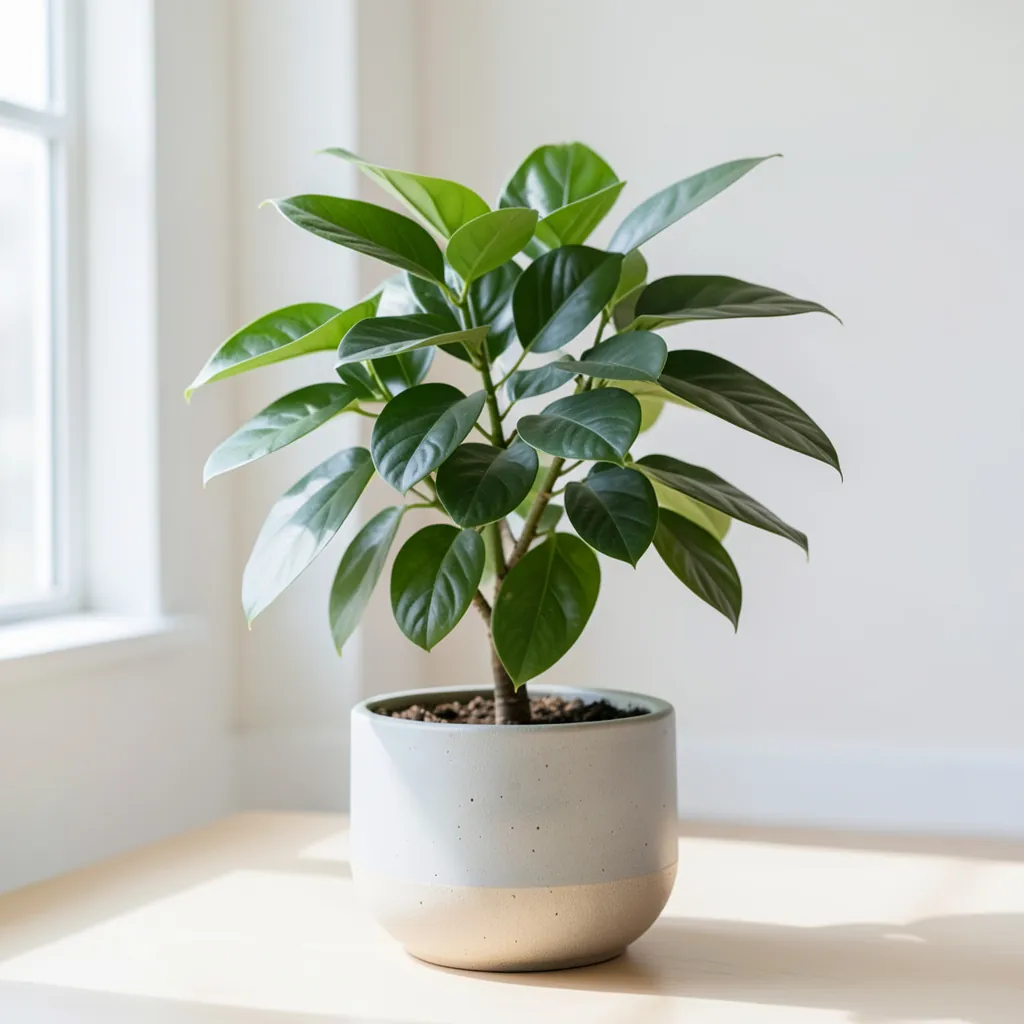
Hoya Plant Care Guide: How to Grow Healthy Wax Plants 🪴
Contents
- Light
- Watering
- Humidity and Temperature
- Soil and Fertilizer
- Repotting
- Propagation
- 🩺 Common Problems
- 🐾 Pet Safety and Toxicity
- 💡 Care Tips
- ❓ FAQ
Hoyas (Hoya spp.), also called wax plants, are tropical climbing or trailing houseplants prized for their waxy leaves and fragrant star-shaped flowers. They’re popular for their low-maintenance care, long lifespan, and diverse varieties, with over 500 species ranging from compact trailers to vigorous climbers.
Light: Bright indirect
Water: When the top inch of soil is dry
Humidity: 60-80% (average to high)
Temperature: 65-80°F (18-27°C)
Soil: Well-draining, chunky mix (e.g., orchid bark + perlite)
Difficulty: Easy
Toxicity: Toxic to cats and dogs
Mature Size: 2-4 ft, depending on species
Light
How much light do hoyas need?
Hoyas thrive in bright, indirect light (e.g., near east/west windows). Morning sun is tolerated, but harsh afternoon rays can scorch leaves. Low light reduces flowering and causes leggy growth.
Signs of light stress:
- Too much light: Bleached or crispy leaves
- Too little light: Sparse growth, no flowers
Watering
How often should I water my hoya?
Water only when the top 1-2 inches of soil are dry. Frequency varies by season:
- Spring/summer: Every 1-2 weeks
- Fall/winter: Every 3-4 weeks
Watering tips:
- Use the “weight test” (light pot = dry soil).
- Soak thoroughly until water drains out.
- Overwatering signs: Yellow leaves, mushy stems, root rot.
Humidity and Temperature
Ideal humidity: 60-80%. Boost humidity with pebble trays or humidifiers, especially in winter.
Temperature range: 65-80°F (18-27°C). Avoid drafts and temperatures below 50°F (10°C).
Soil and Fertilizer
Best soil mix: Equal parts potting soil, orchid bark, and perlite for drainage.
Fertilizer schedule:
- Growing season (spring/summer): Balanced liquid fertilizer (e.g., 2-1-2) monthly.
- Pre-bloom: Switch to high-phosphorus (e.g., 5-10-5) to encourage flowers.
- Fall/winter: Stop fertilizing.
Repotting
When and how to repot hoyas:
- Repot every 2-3 years in spring/summer when roots outgrow the pot.
- Choose a pot 1-2 inches larger; hoyas bloom better when slightly root-bound.
- Use fresh well-draining soil (see above).
- Avoid burying stems deeper than before.
Propagation
How to propagate hoyas (stem cuttings):
- Cut a 4-6” stem with at least 1 leaf node.
- Root in water or moist soil.
- Keep in bright, indirect light. Roots form in 2-4 weeks.
🩺 Common Problems
| Symptom | Cause | Fix |
|---|---|---|
| Yellow leaves | Overwatering | Reduce watering; check for root rot |
| Crispy tips | Low humidity | Increase humidity (pebble tray/humidifier) |
| Drooping | Underwatering | Soak soil thoroughly |
| No flowers | Low light or repotting stress | Move to brighter spot; avoid repotting during bloom |
| Root rot | Soggy soil | Repot in dry soil; trim black roots |
🐾 Pet Safety and Toxicity
Hoyas are toxic to cats and dogs if ingested (ASPCA). The milky sap may also irritate skin—wear gloves when pruning.
💡 Care Tips
- Don’t deadhead—flowers rebloom from old spurs.
- Avoid moving buds—hoyas drop buds if light changes.
- Use small pots—root-bound plants bloom more.
- Wipe leaves with a damp cloth to keep dust-free.
❓ FAQ
Q: Is hoya safe for pets?
A: No—toxic to cats and dogs if eaten.
Q: How fast do hoyas grow?
A: Slow to moderate (2-4” per year); faster in high light/humidity.
Q: Why are my hoya’s leaves wrinkled?
A: Underwatering or low humidity. Soak the pot or mist leaves.
Q: Can hoyas grow in low light?
A: Yes, but they’ll grow slower and rarely flower.
Q: How do I make my hoya bloom?
A: Provide bright light, slight root-bound stress, and phosphorus-rich fertilizer pre-bloom.
Related guides
- How to Care for Alocasia: A Complete Guide
- Areca Palm Care Guide
- Best Plants for Bathrooms: Top Picks for High Humidity
- bird of paradise care guide
- Bird of Paradise Plant Care: Complete Indoor Growing Guide