How to Care for Spathiphyllum (Peace Lily)
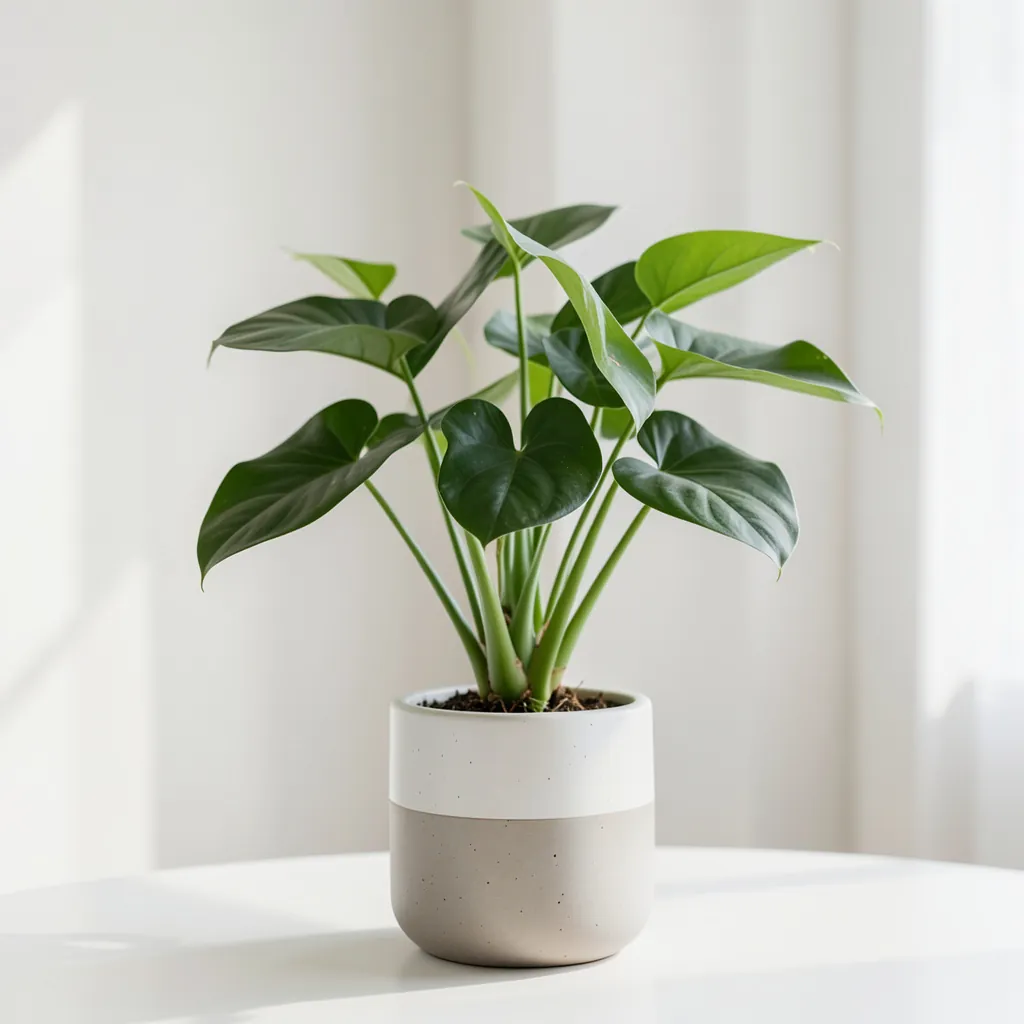
How to Care for Spathiphyllum (Peace Lily)
Contents
- Quick Care Summary
- How Do I Water My Peace Lily?
- What Light Does a Peace Lily Need?
- What Soil and Repotting Does My Peace Lily Need?
- How Do I Propagate My Peace Lily?
- What Are Common Peace Lily Problems?
Spathiphyllum, commonly known as the peace lily, is a popular houseplant prized for its elegant white spathes and lush, dark green foliage. Native to tropical regions of Central and South America, it thrives in indirect light and moderate humidity, making it an ideal choice for indoor environments. Its air-purifying qualities and low-maintenance nature contribute to its widespread appeal.
Quick Care Summary
- Light: Medium to bright indirect light; avoid direct sun.
- Water: Water when the top 2-3 cm of soil is dry; avoid overwatering.
- Humidity: Moderate to high humidity; mist leaves or use a humidity tray.
- Temperature: 18-27°C (65-81°F); protect from cold drafts.
- Soil: Well-draining, peat-free potting mix with added perlite or bark.
- Toxicity: Toxic to pets and humans if ingested; keep out of reach.
How Do I Water My Peace Lily?
Peace lilies prefer consistent moisture but are prone to root rot if overwatered. Water when the top 2-3 cm of soil feels dry, ensuring thorough soaking until water drains from the bottom. Reduce watering in winter when growth slows. Use rainwater or filtered water to prevent fluoride damage from tap water.
Signs of Water Issues:
- Drooping leaves: Indicates thirst; the plant will recover quickly after watering.
- Yellow leaves: Often a sign of overwatering or poor drainage.
What Light Does a Peace Lily Need?
Peace lilies thrive in medium to bright indirect light. Avoid placing them in direct sunlight, which can scorch the leaves. While they can tolerate low light, insufficient light reduces flowering and slows growth. Ideal locations include near east or north-facing windows, or 2-3 meters away from south or west-facing windows.
Signs of Light Issues:
- Leggy growth or small leaves: Indicates insufficient light.
- Brown or pale patches: Indicates sunburn from direct sunlight.
What Soil and Repotting Does My Peace Lily Need?
Soil:
Use a well-draining, peat-free potting mix enriched with perlite or fine bark to ensure proper aeration.
Repotting:
Repot every 2-3 years in spring when the plant becomes rootbound. Choose a pot only 2-3 cm larger than the current one to prevent waterlogging.
Steps for Repotting:
- Gently remove the plant from its pot.
- Inspect and trim any damaged roots.
- Place in the new pot with fresh soil, ensuring the crown remains at the same level.
- Water thoroughly and allow excess to drain.
How Do I Propagate My Peace Lily?
Propagation is best done by division during repotting:
- Remove the plant from its pot and separate the root clump into smaller sections, ensuring each has roots and at least three leaves.
- Plant each division in fresh potting mix.
- Water lightly and place in a warm, humid spot until new growth appears.
What Are Common Peace Lily Problems?
| Problem | Cause | Solution |
|---|---|---|
| Yellow leaves | Overwatering or poor drainage | Reduce watering; improve drainage. |
| Brown leaf tips | Low humidity or hard water | Increase humidity; use filtered water. |
| Drooping leaves | Underwatering | Water thoroughly. |
| No flowers | Insufficient light | Move to a brighter location. |
| Root rot | Overwatering | Repot in fresh, well-draining soil. |
FAQ
Why Are My Peace Lily Leaves Turning Brown at the Tips?
Brown leaf tips are often caused by low humidity or fluoride in tap water. Increase humidity by misting or using a humidity tray, and switch to filtered or rainwater.
How Often Should I Fertilize My Peace Lily?
Fertilize every 4-6 weeks during the growing season (spring to summer) with a balanced liquid fertilizer diluted to half strength. Avoid fertilizing in winter.
Is the Peace Lily Toxic to Pets?
Yes, peace lilies are toxic to pets and humans if ingested. Keep them out of reach and wash hands after handling.
Can Peace Lilies Grow in Low Light?
Yes, peace lilies can tolerate low light but will grow more slowly and produce fewer flowers. For optimal growth, provide medium to bright indirect light.
Related guides
- How to Care for Alocasia: A Complete Guide
- Areca Palm Care Guide
- Best Plants for Bathrooms: Top Picks for High Humidity
- bird of paradise care guide
- Bird of Paradise Plant Care: Complete Indoor Growing Guide