How to Care for a Caladium Plant Indoors
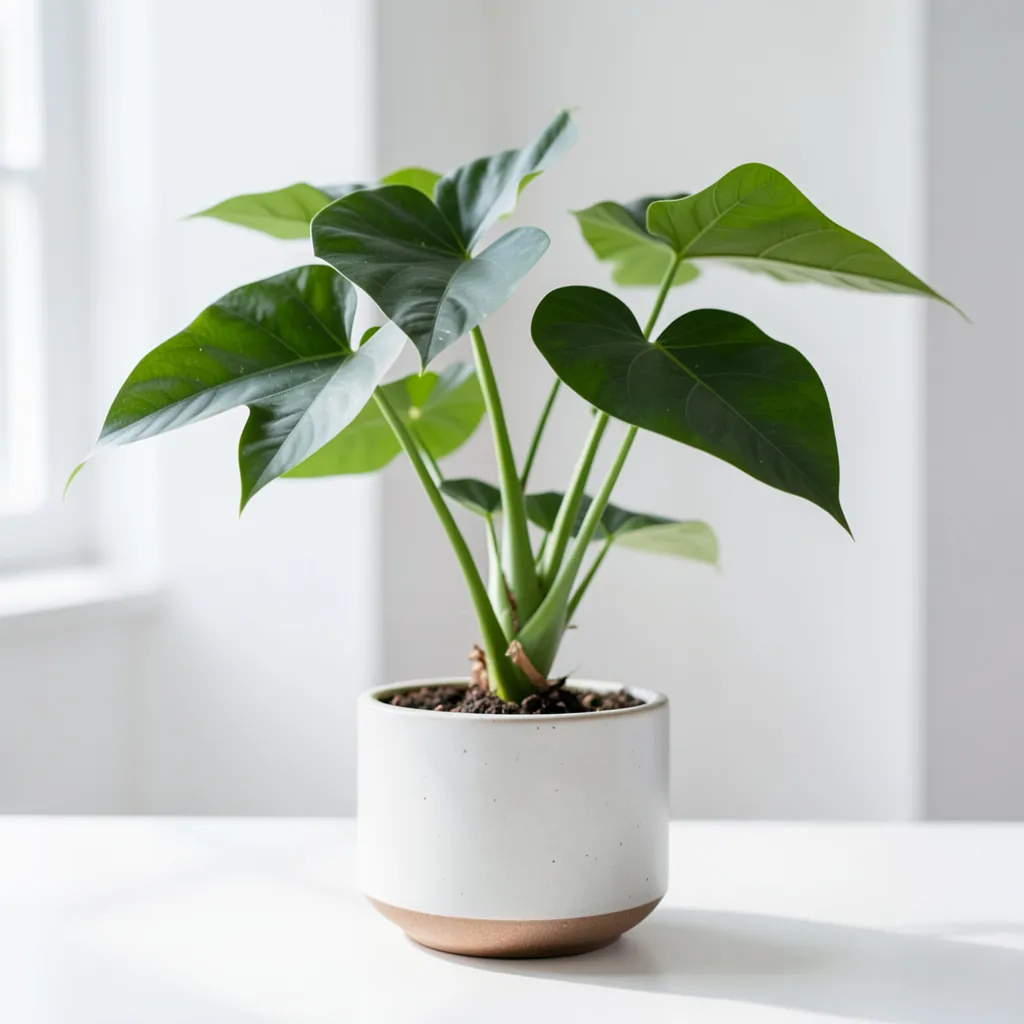
How to Care for a Caladium Plant Indoors
Contents
- Light
- Watering
- Humidity and Temperature
- Soil and Fertilizer
- Repotting
- Propagation
- 🩺 Common Problems
- 🐾 Pet Safety and Toxicity
- 💡 Care Tips
- ❓ FAQ
🪴 Caladiums are tropical plants known for their vibrant, heart-shaped leaves in shades of pink, red, white, and green. They’re popular as indoor plants for adding a splash of color to any space, but they require specific care to thrive.
Light: Bright indirect
Water: When the top inch of soil is dry
Humidity: Average to high
Temperature: 65-80°F (18-27°C)
Soil: Well-draining
Difficulty: Easy
Toxicity: Toxic to cats and dogs
Mature Size: 2-3 ft
Light
What kind of light does a caladium need?
Caladiums thrive in bright, indirect light. Too much direct sunlight can scorch their delicate leaves, while insufficient light may dull their vibrant colors. Place your caladium near an east- or north-facing window for filtered light. Signs of too much light include crispy edges, while leggy growth or faded leaves indicate too little light.
Watering
How often should I water my caladium?
Water your caladium when the top inch of soil feels dry. During the growing season (spring and summer), keep the soil consistently moist but not soggy. Overwatering can lead to root rot. In fall and winter, reduce watering as the plant enters dormancy. Signs of overwatering include yellow leaves and mushy stems, while drooping leaves may indicate underwatering.
Humidity and Temperature
What humidity and temperature does a caladium need?
Caladiums prefer high humidity (50% or higher) and temperatures between 65-80°F (18-27°C). Use a humidifier, pebble tray, or misting to maintain humidity, especially in dry indoor environments. Avoid placing the plant near drafts or air vents, as sudden temperature changes can stress the plant.
Soil and Fertilizer
What soil and fertilizer are best for caladiums?
Use a well-draining, rich potting mix with components like peat or perlite. Fertilize every 2-3 weeks during the growing season with a balanced, water-soluble fertilizer diluted to half strength. Avoid overfertilizing, as it can burn the leaves.
Repotting
How do I repot a caladium?
- Repot in late winter or early spring before the growing season begins.
- Gently remove the tuber from the old pot, inspecting for rot or damage.
- Place the tuber 1-2 inches deep in fresh, well-draining soil with the growth point facing up.
- Water sparingly and place in a warm, bright spot to encourage new growth.
Propagation
How do I propagate a caladium?
Propagate caladiums by dividing tubers during repotting:
- Carefully separate tubers, ensuring each section has at least one growth point.
- Plant the tubers in fresh soil, following the same depth and care instructions as repotting.
🩺 Common Problems
| Symptom | Cause | Fix |
|---|---|---|
| Yellow leaves | Overwatering or poor drainage | Improve drainage; water less often |
| Drooping leaves | Underwatering or root rot | Check roots; adjust watering schedule |
| Brown/crispy tips | Low humidity or direct sun | Increase humidity; move from direct light |
| Leaves curling | Underwatering or pests | Water thoroughly; check for pests |
| Mushy/root rot | Overwatering | Reduce watering; repot in fresh soil |
| Not growing | Low light or lack of nutrients | Move to brighter spot; fertilize |
🐾 Pet Safety and Toxicity
Caladiums are toxic to cats and dogs if ingested. Symptoms include oral irritation, drooling, vomiting, and difficulty swallowing. Keep the plant out of reach of pets or opt for pet-safe alternatives if necessary.
💡 Care Tips
- Rotate the plant weekly to ensure even growth.
- Avoid placing near drafts or heating vents.
- Use lukewarm water to prevent shocking the roots.
- Trim dead or damaged leaves to encourage new growth.
- During dormancy, stop watering and store tubers in a cool, dry place.
❓ FAQ
Are caladiums toxic to cats and dogs?
Yes, caladiums are toxic to both cats and dogs if ingested.
How often should I water my caladium?
Water when the top inch of soil feels dry, typically once a week during the growing season.
Why are my caladium’s leaves turning yellow?
Yellow leaves are often caused by overwatering or poor drainage. Adjust your watering schedule and ensure proper drainage.
How much light does a caladium need?
Caladiums need bright, indirect light. Avoid direct sunlight to prevent leaf scorching.
How fast does a caladium grow?
Caladiums grow moderately fast, reaching full size in 1-2 years under optimal conditions.
How do I propagate a caladium?
Propagate by dividing tubers during repotting, ensuring each section has a growth point.
Related guides
- How to Care for Alocasia: A Complete Guide
- Areca Palm Care Guide
- Best Plants for Bathrooms: Top Picks for High Humidity
- bird of paradise care guide
- Bird of Paradise Plant Care: Complete Indoor Growing Guide