Flamingo Flower Care: How to Grow Anthurium Andraeanum Indoors
Flamingo Flower Care: How to Grow Anthurium Andraeanum Indoors
Contents
- Light
- Watering
- Humidity and Temperature
- Soil and Fertilizer
- Repotting
- Propagation
- 🩺 Common Problems
- 🐾 Pet Safety and Toxicity
- 💡 Care Tips
- ❓ FAQ
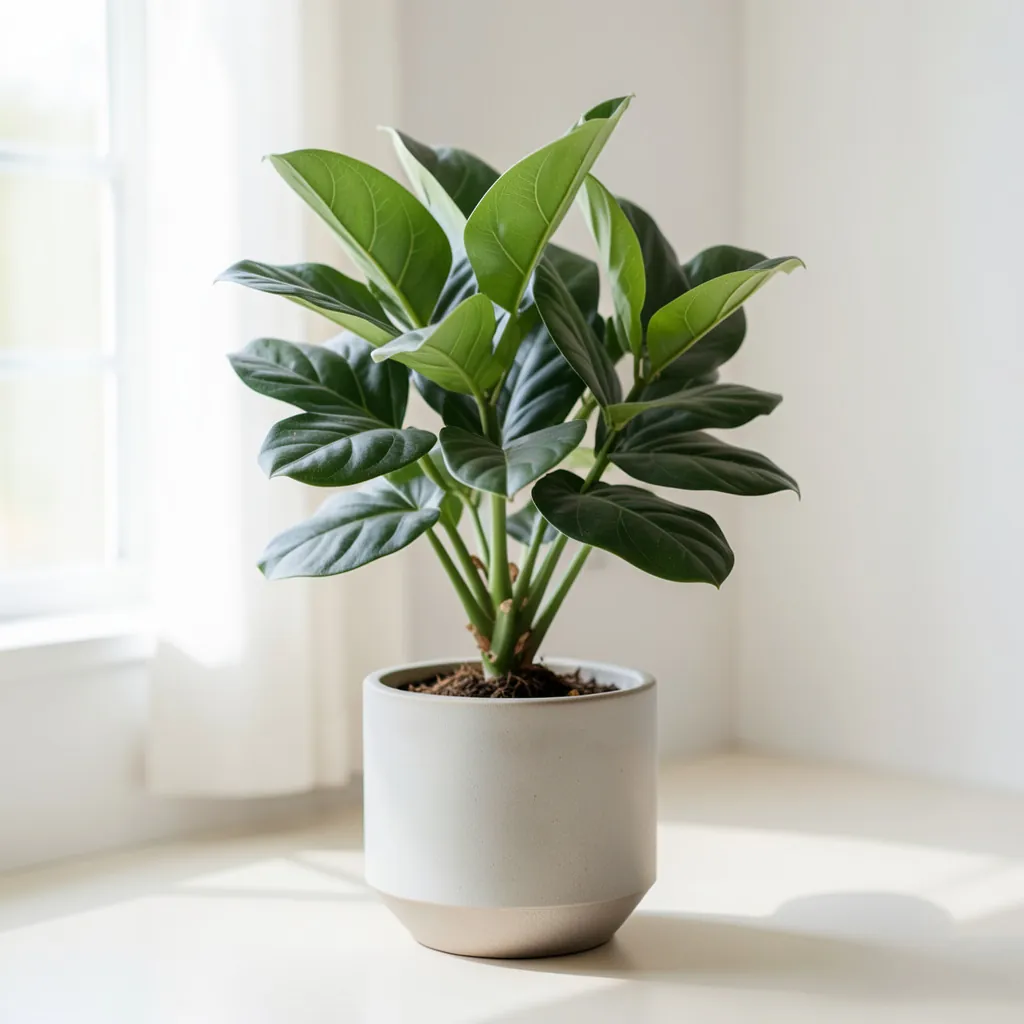
🪴 The flamingo flower (Anthurium andraeanum) is a popular tropical houseplant known for its glossy, heart-shaped leaves and vibrant, long-lasting spathes that resemble flowers. It thrives indoors with proper light, humidity, and care, making it a striking addition to homes and offices.
Light: Bright indirect
Water: When the top inch of soil is dry
Humidity: High (60-80%)
Temperature: 65-80°F (18-27°C)
Soil: Well-draining, acidic mix (orchid bark + peat-free compost + grit)
Difficulty: Moderate
Toxicity: Toxic to cats and dogs
Mature Size: 1-2 ft tall and wide
Light
What kind of light does a flamingo flower need?
Bright, indirect light (east or west-facing windows) is ideal. Direct sun scorches leaves, while low light reduces flowering. Signs of stress:
- Too much light: Yellow or bleached leaves, crispy edges.
- Too little light: Leggy growth, small or no spathes, dull foliage.
Watering
How often should I water my flamingo flower?
Water when the top inch of soil is dry (typically weekly in summer, biweekly in winter). Signs of improper watering:
- Overwatering: Yellow leaves, mushy stems, root rot.
- Underwatering: Drooping, crispy leaf edges.
Humidity and Temperature
Do flamingo flowers need humidity?
Yes—maintain 60-80% humidity with a pebble tray or humidifier. Temperatures below 60°F (15°C) harm the plant. Avoid drafts and sudden temperature changes.
Soil and Fertilizer
What soil mix is best?
Use an acidic, well-draining blend: 2 parts peat-free compost, 1 part orchid bark, and 1 part perlite/grit. Fertilize every 2 weeks in spring/summer with diluted orchid fertilizer (10-10-10).
Repotting
When and how to repot?
Repot every 2-3 years in spring when roots overcrowd. Steps:
- Choose a pot 1-2 inches larger.
- Gently remove plant, trim dead roots.
- Fill with acidic mix, replant at same depth.
- Water lightly and place in bright indirect light.
Propagation
How to propagate flamingo flower?
Propagate by division in spring/summer:
- Remove plant from pot, separate offsets with roots.
- Plant in small pots with acidic mix.
- Keep humid and warm until established.
🩺 Common Problems
| Symptom | Cause | Fix |
|---|---|---|
| Yellow leaves | Overwatering | Reduce water, check drainage |
| Brown tips | Low humidity | Increase humidity |
| No flowers | Low light | Move to brighter spot |
| Mushy stems | Root rot | Trim rot, repot in dry soil |
🐾 Pet Safety and Toxicity
Toxic to cats and dogs if ingested (contains calcium oxalate crystals). Symptoms: oral irritation, drooling, vomiting. Keep out of reach or opt for pet-safe plants.
💡 Care Tips
- Wipe leaves monthly to remove dust.
- Avoid tap water (use filtered/rainwater to prevent salt buildup).
- Rotate plant for even growth.
- Prune spent flowers at the base.
❓ FAQ
Q: Is the flamingo flower toxic to pets?
A: Yes—toxic to cats and dogs if eaten.
Q: How often should I water in winter?
A: Reduce watering; let soil dry halfway between waterings.
Q: Why are my plant’s leaves turning yellow?
A: Usually due to overwatering or poor drainage.
Q: How fast does it grow?
A: Reaches maturity in 2-5 years under ideal conditions.
Related guides
- How to Care for Alocasia: A Complete Guide
- Areca Palm Care Guide
- Best Plants for Bathrooms: Top Picks for High Humidity
- bird of paradise care guide
- Bird of Paradise Plant Care: Complete Indoor Growing Guide