Croton Plant Care: A Complete Guide
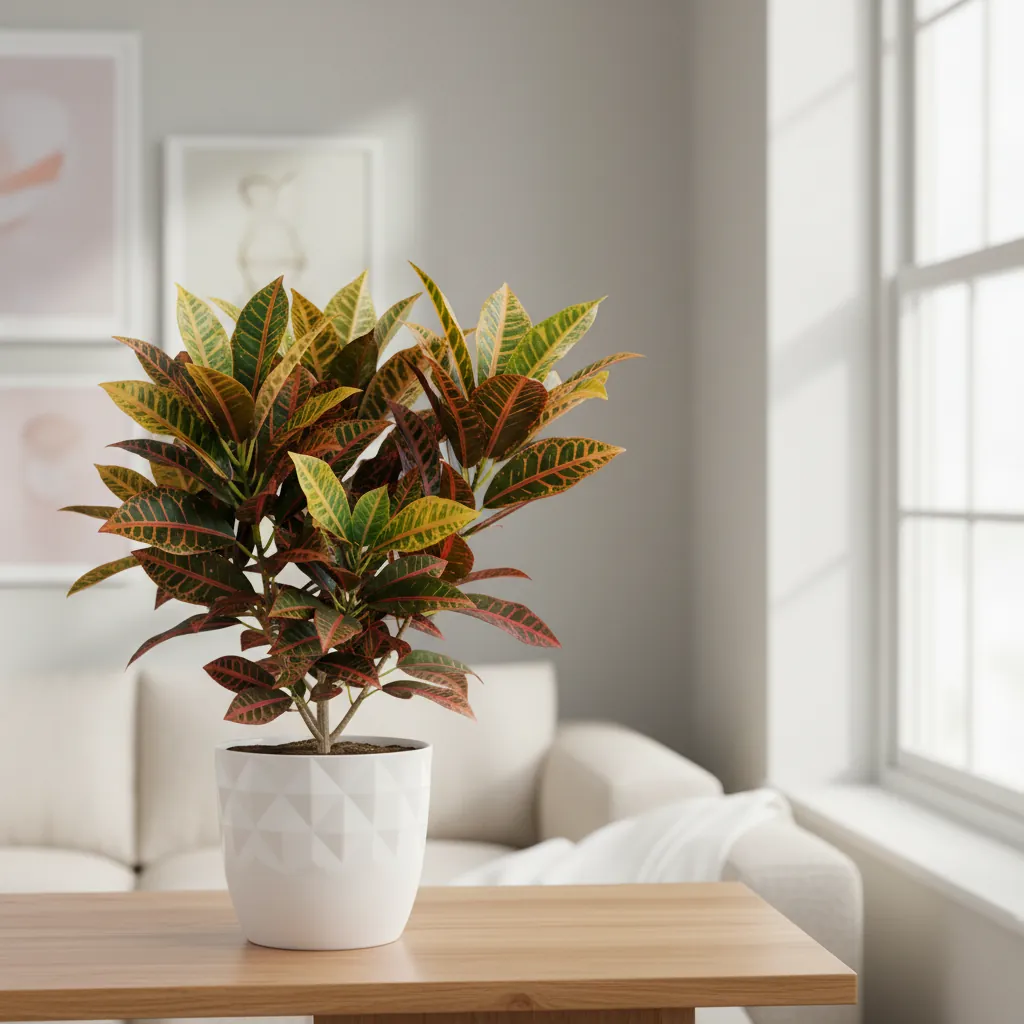
Croton Plant Care: A Complete Guide
Contents
- Quick Care Summary
- How Often Should I Water My Croton?
- What Light Does a Croton Need?
- What Soil Is Best for Croton Plants?
- How Do I Propagate a Croton?
- What Are Common Croton Problems?
The croton plant (Codiaeum variegatum) is a vibrant, tropical houseplant known for its striking, multicolored foliage. Its leaves can display shades of green, yellow, orange, red, and purple, making it a popular choice for adding a bold splash of color to indoor spaces. Native to Southeast Asia and the Pacific Islands, crotons thrive in warm, humid environments and require specific care to maintain their dazzling appearance.
Quick Care Summary
- Light: Bright, indirect light for best color; avoid direct sun.
- Water: Keep soil consistently moist; water when the top inch feels dry.
- Humidity: High humidity; mist regularly or use a humidifier.
- Temperature: 60-85°F (16-29°C); avoid cold drafts.
- Soil: Well-draining, fertile soil rich in organic matter.
- Toxicity: Toxic to pets and humans if ingested; skin irritant from sap.
How Often Should I Water My Croton?
Croton plants prefer consistently moist soil but are prone to root rot if overwatered. Water thoroughly when the top inch of soil feels dry, typically once or twice a week during the growing season. Reduce watering in winter, allowing the soil to dry slightly more between waterings. Use lukewarm water to avoid shocking the roots.
What Light Does a Croton Need?
Crotons thrive in bright, indirect light. Direct sunlight can scorch their leaves, while insufficient light may cause them to lose their vibrant colors and revert to green. Place your croton near a bright window with filtered light, or use sheer curtains to diffuse harsh sun. Rotate the plant occasionally for even growth.
What Soil Is Best for Croton Plants?
Crotons need well-draining, fertile soil rich in organic matter. A mix of potting soil, peat moss, and perlite works well. Ensure the pot has drainage holes to prevent waterlogging. Repot every 2-3 years or when roots become crowded, ideally in spring or summer during the growing season.
How Do I Propagate a Croton?
Croton plants are easily propagated from softwood cuttings or air layering:
- Softwood Cuttings: Take 4-6 inch cuttings in summer, dip the cut end in rooting hormone, and plant in moist soil. Keep warm and humid until roots develop.
- Air Layering: In spring, wound a stem, wrap it with moist sphagnum moss, and cover with plastic until roots form. Cut and plant the rooted section.
What Are Common Croton Problems?
- Pests: Spider mites, mealybugs, and scale insects are common. Wipe leaves with a damp cloth or treat with insecticidal soap.
- Yellow Leaves: Caused by overwatering, underwatering, or insufficient light. Adjust care accordingly.
- Leaf Drop: Often due to cold drafts, temperature fluctuations, or low humidity. Keep the plant warm and mist regularly.
- Root Rot: Avoid overwatering and ensure proper drainage.
FAQ
Can I Grow Croton Outdoors?
Yes, crotons thrive outdoors in tropical or subtropical climates (USDA zones 11-12). In cooler regions, they can be grown as seasonal plants or brought indoors before temperatures drop below 50°F (10°C).
Is Croton Safe for Pets?
No, croton plants are toxic to pets and humans if ingested. The sap can also cause skin irritation, so handle with care.
Why Are My Croton Leaves Losing Color?
Insufficient light is the most common cause. Move the plant to a brighter location with indirect light to restore vibrant foliage.
How Can I Increase Humidity for My Croton?
Mist the leaves regularly, place a humidifier nearby, or set the pot on a tray filled with water and pebbles to increase humidity.
Related guides
- Bird of Paradise Plant Care: Complete Indoor Growing Guide
- Boston Fern Care Guide: How to Keep Your Fern Thriving
- Bromeliad Care Guide: How to Grow and Maintain Indoor Bromeliads
- Calathea Care Guide: How to Keep Your Prayer Plant Thriving
- Dracaena Care Guide: How to Grow This Popular Tropical Houseplant