How to Care for a Spathiphyllum (Peace Lily)
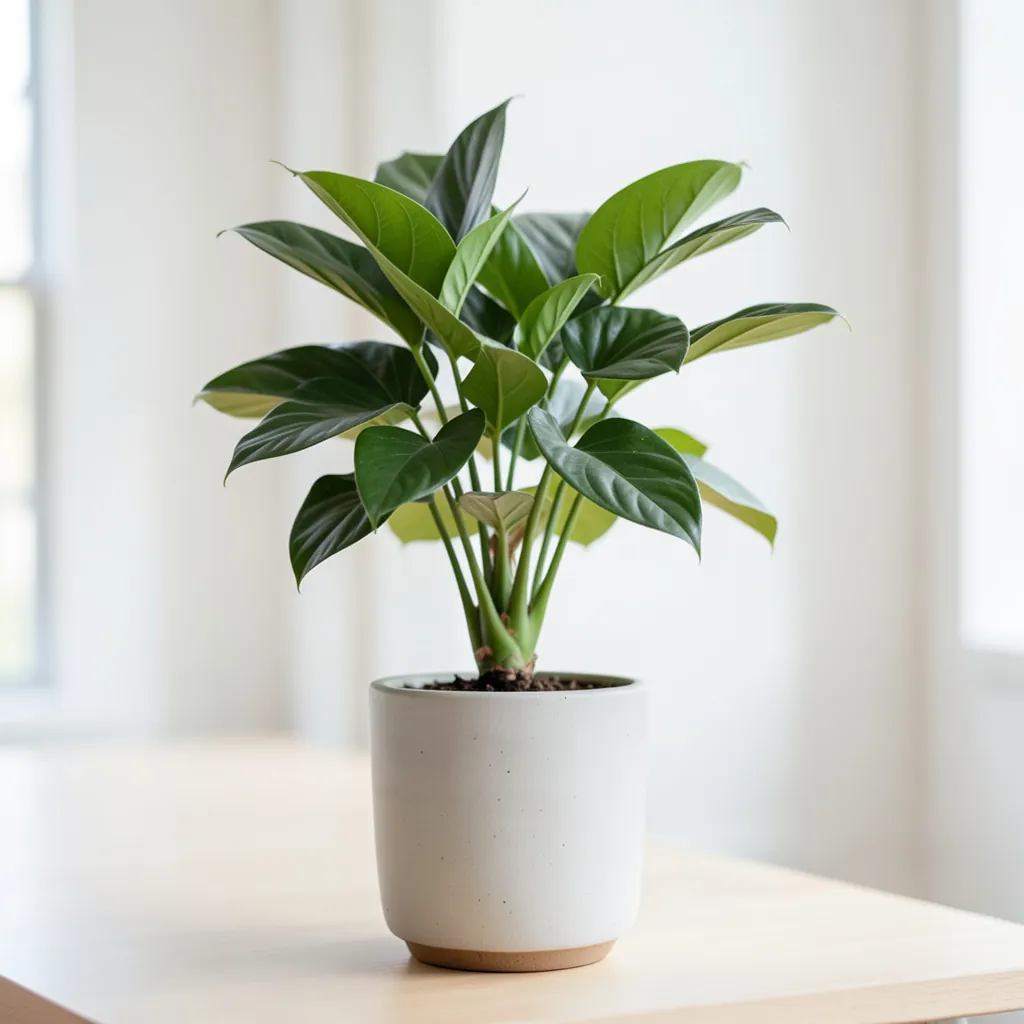
How to Care for a Spathiphyllum (Peace Lily)
Contents
- Quick Care Summary
- How Often Should I Water My Peace Lily?
- Where Should I Place My Peace Lily for Optimal Light?
- What Soil Mix and Potting Schedule Works Best?
- How Can I Propagate a Peace Lily?
- Common Peace Lily Problems and Fixes
Spathiphyllum, commonly called peace lily, is a popular tropical houseplant prized for its glossy foliage and elegant white spathes. Native to Central/South American rainforests, it thrives in indirect light and improves indoor air quality by removing toxins like formaldehyde. Though low-maintenance, it requires consistent moisture and humidity to prevent drooping.
Quick Care Summary
- Light: Bright, indirect light (east/north-facing windows ideal); tolerates shade but may not flower
- Water: Keep soil moist but not waterlogged; water when top 2-3 cm of soil is dry
- Humidity: Prefers 50-60% humidity; mist leaves or use pebble trays to increase moisture
- Temperature: 18-27°C (65-81°F); avoid drafts and sudden temperature changes
- Soil: Peat-free, well-draining mix (3:1 compost:perlite); repot every 2-3 years
- Toxicity: Toxic to cats and dogs if ingested; causes mouth irritation
How Often Should I Water My Peace Lily?
Water when the top 2-3 cm (1 inch) of soil feels dry, typically:
- Spring/summer: 2-3 times weekly
- Autumn/winter: Every 10-15 days
Use room-temperature rainwater or filtered water to prevent fluoride damage (tap water may cause brown leaf tips). If leaves droop, water deeply — plants usually recover within hours. Overwatering causes yellow leaves and root rot; ensure pots have drainage holes.
Where Should I Place My Peace Lily for Optimal Light?
- Ideal: 1-2 meters from east/north-facing windows with sheer curtains
- Avoid: Direct summer sun (scorches leaves) or deep shade (reduces flowering)
- Signs of stress:
- Pale leaves = too much light
- Leggy growth/small leaves = too little light
Rotate the pot quarterly to maintain even growth.
What Soil Mix and Potting Schedule Works Best?
Soil blend:
- 60% peat-free houseplant compost
- 20% perlite
- 20% fine orchid bark
Repotting:
- Do in spring every 2-3 years or when roots circle the pot
- Choose a pot 2-3 cm wider than the root ball
- Trim any black/mushy roots and refresh soil completely
How Can I Propagate a Peace Lily?
Division method (spring only):
- Remove plant from pot and gently separate root clumps
- Ensure each division has ≥3 leaves and healthy roots
- Plant in fresh mix, water lightly, and keep in humid shade for 2 weeks
Common Peace Lily Problems and Fixes
| Symptom | Cause | Solution |
|---|---|---|
| Brown leaf tips | Low humidity/fluoride in water | Use rainwater; mist leaves |
| Yellow leaves | Overwatering/root rot | Check roots; repot if soggy |
| No flowers | Low light/nutrient imbalance | Move to brighter spot; fertilize monthly in spring-summe |
| Drooping | Underwatering | Water deeply; trim dead leaves |
| Black leaf edges | Cold damage | Keep above 15°C (59°F) |
Pests: Wipe mealybugs/spider mites with alcohol-soaked cotton. Improve air circulation to deter fungi.
FAQ
Q: Why are my peace lily’s flowers green?
A: Spathes naturally turn green as they age before fading. Cut spent flowers at the base.
Q: Is misting necessary for peace lilies?
A: Helpful in dry climates but not required if humidity is >50%. Wipe leaves weekly with a damp cloth instead.
Q: Can I put my peace lily in a bathroom?
A: Yes – bathrooms often provide ideal warmth and humidity. Ensure there’s enough indirect light.
Q: How fast do peace lilies grow?
A: Moderate growers, reaching 30-90 cm tall in 2-5 years depending on cultivar.
Q: Are peace lilies true lilies?
A: No – they’re arums (Araceae family) and unrelated to Lilium species.
Related guides
- How to Care for Alocasia: A Complete Guide
- Areca Palm Care Guide
- Best Plants for Bathrooms: Top Picks for High Humidity
- bird of paradise care guide
- Bird of Paradise Plant Care: Complete Indoor Growing Guide