Bird’s Nest Fern Care Guide
Bird’s Nest Fern Care Guide
Contents
- Light
- Watering
- Humidity and Temperature
- Soil and Fertilizer
- Repotting
- Propagation
- 🩺 Common Problems
- 🐾 Pet Safety and Toxicity
- 💡 Care Tips
- ❓ FAQ
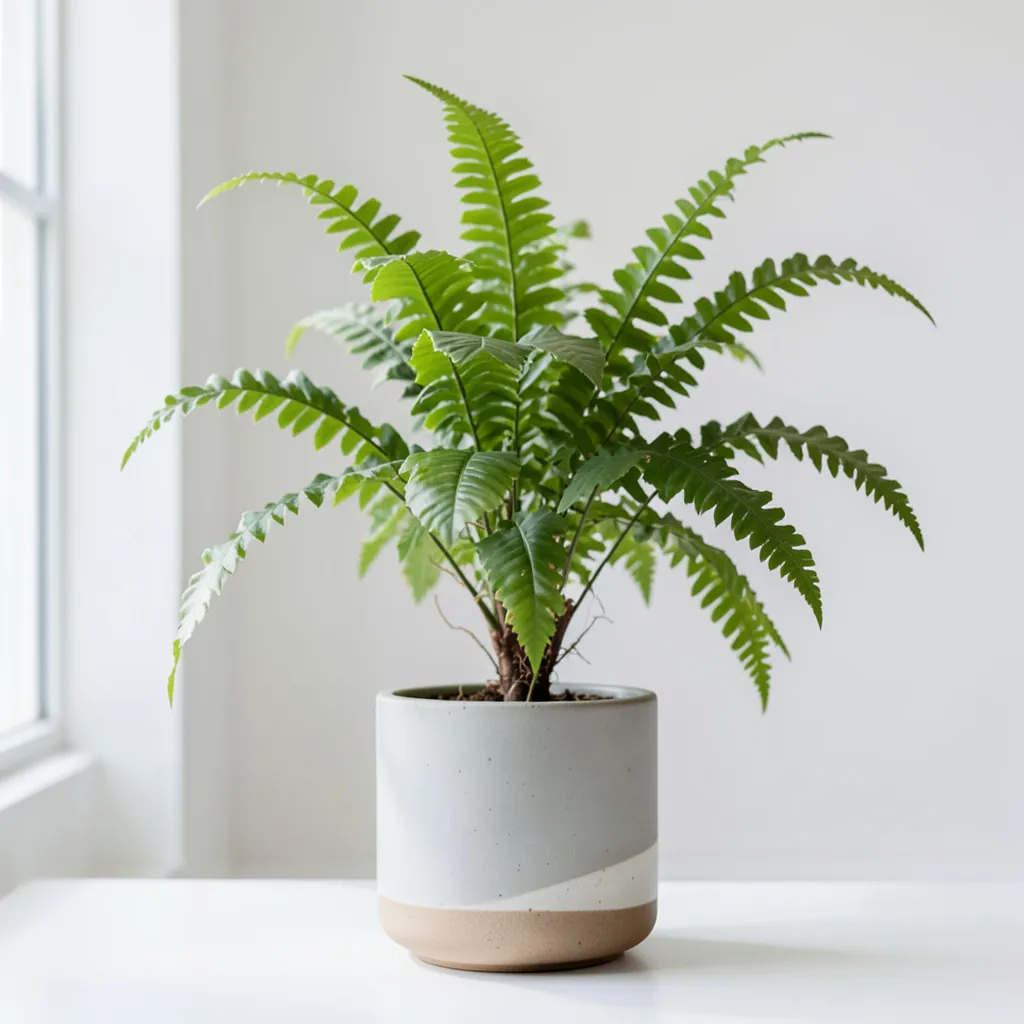
🪴 The bird’s nest fern (Asplenium nidus) is a popular tropical houseplant known for its glossy, wavy fronds that unfurl from a central rosette, resembling a bird’s nest. It’s prized for its low-maintenance care and adaptability to indoor conditions.
Light: Bright indirect
Water: When the top inch of soil is dry
Humidity: High (60% or higher)
Temperature: 65–80°F (18–27°C)
Soil: Well-draining, rich in organic matter
Difficulty: Easy
Toxicity: Pet-safe (non-toxic to cats and dogs)
Mature Size: 2–3 ft tall and wide
Light
Bird’s nest ferns thrive in bright, indirect light (e.g., near an east- or north-facing window). Direct sunlight scorches the leaves, causing pale or crispy patches. Too little light leads to stunted growth and less vibrant foliage.
Watering
Water when the top inch of soil feels dry, ensuring the soil stays moist but not soggy. Avoid watering the center rosette to prevent rot. Reduce watering in winter. Signs of overwatering: yellowing leaves, mushy stems.
Humidity and Temperature
Maintain 60% or higher humidity—use a humidifier, pebble tray, or frequent misting (avoid wetting the center). Ideal temperatures: 65–80°F (18–27°C). Protect from drafts and cold below 60°F (16°C).
Soil and Fertilizer
Use a well-draining mix (e.g., orchid bark, peat moss, perlite). Fertilize monthly in spring/summer with half-strength balanced liquid fertilizer. Over-fertilizing causes brown leaf edges.
Repotting
Repot every 2–3 years in spring:
- Choose a slightly larger pot with drainage.
- Gently loosen roots and remove old soil.
- Place in fresh, well-draining mix.
- Water thoroughly.
Propagation
Propagate via spores (advanced) or division:
- Divide during repotting by separating healthy offsets with roots.
- Plant in moist sphagnum moss or well-draining soil.
- Maintain high humidity and indirect light.
🩺 Common Problems
| Symptom | Cause | Fix |
|---|---|---|
| Yellow leaves | Overwatering | Let soil dry; improve drainage. |
| Brown tips | Low humidity | Increase humidity (humidifier/pebble tray). |
| Curling fronds | Underwatering/dry air | Water more frequently; mist leaves. |
| Pale leaves | Too much direct sun | Move to indirect light. |
| Root rot | Soggy soil | Trim rotten roots; repot in dry soil. |
🐾 Pet Safety and Toxicity
Non-toxic to cats and dogs (pet-safe), making it ideal for homes with animals.
💡 Care Tips
- Rotate the plant occasionally for even growth.
- Use filtered or rainwater to avoid chemical burns from tap water.
- Avoid leaf shine products—wipe fronds with a damp cloth instead.
- Trim dead fronds at the base to encourage new growth.
❓ FAQ
Q: How often should I water my bird’s nest fern?
A: When the top inch of soil is dry—typically weekly in summer, biweekly in winter.
Q: Why are my fern’s leaves turning brown?
A: Low humidity or tap water chemicals. Increase moisture and use filtered water.
Q: Can it grow in low light?
A: It tolerates lower light but grows best in bright, indirect light.
Q: How fast does it grow?
A: Slow-growing; reaches maturity in 5–10 years.
Q: Is misting necessary?
A: Helpful for humidity, but avoid over-wetting the center rosette.
Related guides
- How to Care for Alocasia: A Complete Guide
- Areca Palm Care Guide
- Best Plants for Bathrooms: Top Picks for High Humidity
- bird of paradise care guide
- Bird of Paradise Plant Care: Complete Indoor Growing Guide