Calathea Care Guide: How to Keep Your Prayer Plant Thriving
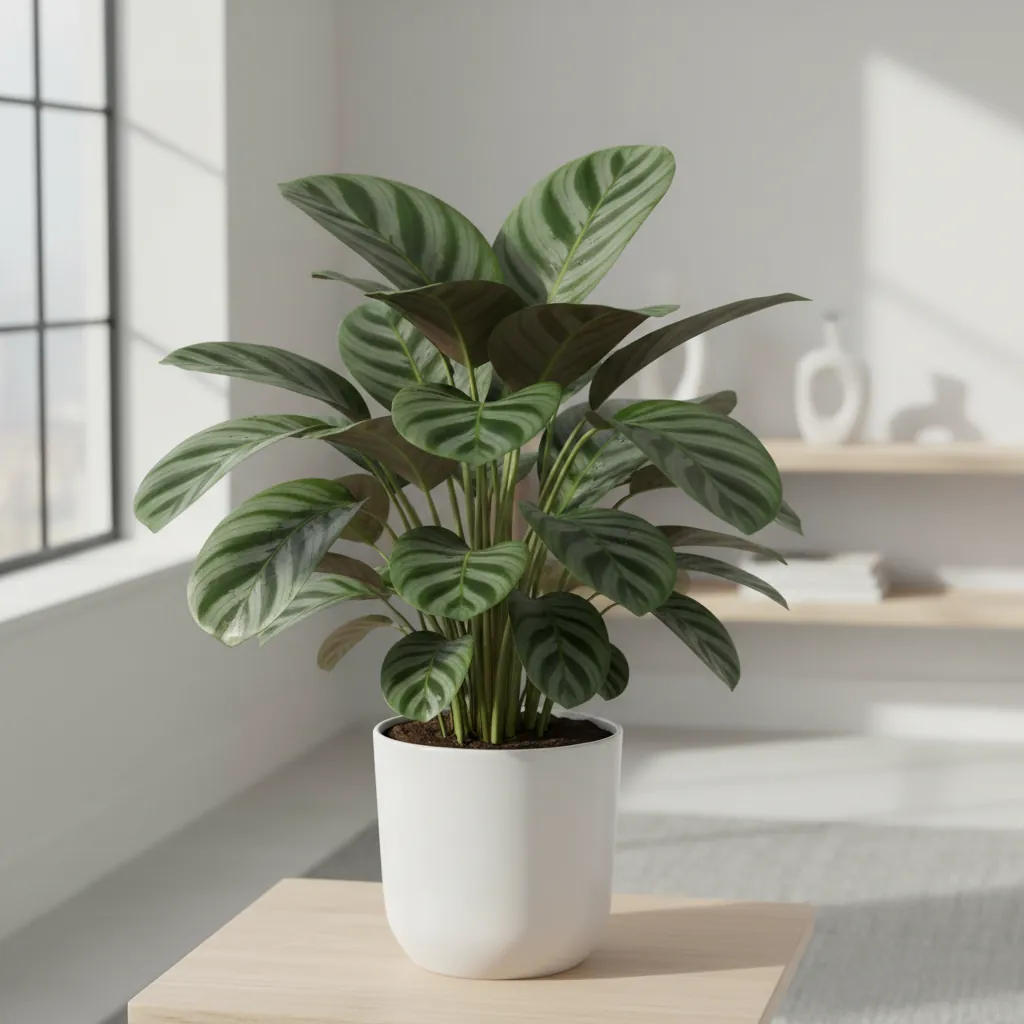
Calathea Care Guide: How to Keep Your Prayer Plant Thriving
Contents
- Quick Care Summary
- How Often Should I Water My Calathea?
- Where Should I Place My Calathea?
- What Soil and Potting Mix Does My Calathea Need?
- How Do I Propagate My Calathea?
- What Are Common Calathea Problems?
- Frequently Asked Questions
Calatheas, also known as prayer plants, are beloved for their stunning, patterned foliage and unique leaf movements. Native to rainforest floors, these tropical houseplants thrive in bright, indirect light, high humidity, and consistently moist soil. While they can be finicky, proper care ensures they’ll reward you with lush, vibrant leaves.
Quick Care Summary
- Light: Bright, indirect light. Avoid direct sunlight.
- Water: Keep soil evenly moist. Use filtered or distilled water.
- Humidity: High humidity (60-80%) is essential.
- Temperature: 65°F–85°F (18°C–29°C). Avoid drafts.
- Soil: Well-draining, peat-based mix.
- Toxicity: Non-toxic and safe for pets.
How Often Should I Water My Calathea?
Water your calathea when the top inch of soil feels dry. These plants prefer consistently moist soil but can’t tolerate soggy or waterlogged conditions, which lead to root rot. Avoid tap water with high fluoride or chlorine content, as it can cause brown leaf tips. Filtered or distilled water is ideal. During winter, reduce watering slightly as growth slows.
Where Should I Place My Calathea?
Calatheas thrive in bright, indirect light, mimicking the dappled sunlight of rainforest floors. Place them a few feet from an east or north-facing window. Direct sunlight will scorch their leaves, while too little light can fade their vibrant patterns. A humidity tray or nearby humidifier can help maintain optimal moisture levels.
What Soil and Potting Mix Does My Calathea Need?
Calatheas prefer a well-draining, peat-based soil mix that retains moisture without becoming waterlogged. A blend of potting soil, perlite, and peat moss works well. Repot every 1–2 years in spring to refresh the soil and provide room for growth. Choose a pot with drainage holes to prevent water buildup.
How Do I Propagate My Calathea?
Propagate calatheas by division during repotting. Gently separate the plant into smaller sections, ensuring each has healthy roots and leaves. Plant the divisions in fresh soil and keep them in a warm, humid environment until established. Avoid propagating in winter when growth is slower.
What Are Common Calathea Problems?
- Yellow Leaves: Often caused by overwatering or poor drainage. Check soil moisture and ensure proper drainage.
- Brown Leaf Tips: Low humidity or fluoride in tap water. Increase humidity and use filtered water.
- Curling Leaves: A sign of underwatering. Water thoroughly and maintain consistent moisture.
- Pests: Spider mites and mealybugs can infest calatheas. Wipe leaves with a damp cloth or use insecticidal soap.
Frequently Asked Questions
Q: Why are my Calathea leaves curling?
A: Curling leaves usually indicate underwatering. Ensure the soil remains evenly moist and consider using filtered water.
Q: Can I use tap water for my Calathea?
A: Tap water with fluoride or chlorine can cause brown leaf tips. Filtered or distilled water is recommended.
Q: How do I increase humidity for my Calathea?
A: Use a humidifier, place the plant on a humidity tray with water and pebbles, or group it with other plants to create a microclimate.
Q: Is Calathea pet-safe?
A: Yes, calatheas are non-toxic and safe for pets.
Q: Why are my Calathea leaves losing their color?
A: Fading patterns can result from too much direct sunlight or insufficient light. Move the plant to a spot with bright, indirect light.
Related guides
- Bird of Paradise Plant Care: Complete Indoor Growing Guide
- Boston Fern Care Guide: How to Keep Your Fern Thriving
- Monstera Care Guide
- Philodendron Care: A Complete Guide to Thriving Houseplants
- How to Care for Aloe Vera: A Complete Guide to Thriving Plants