Caladium Plant Care Guide 🪴
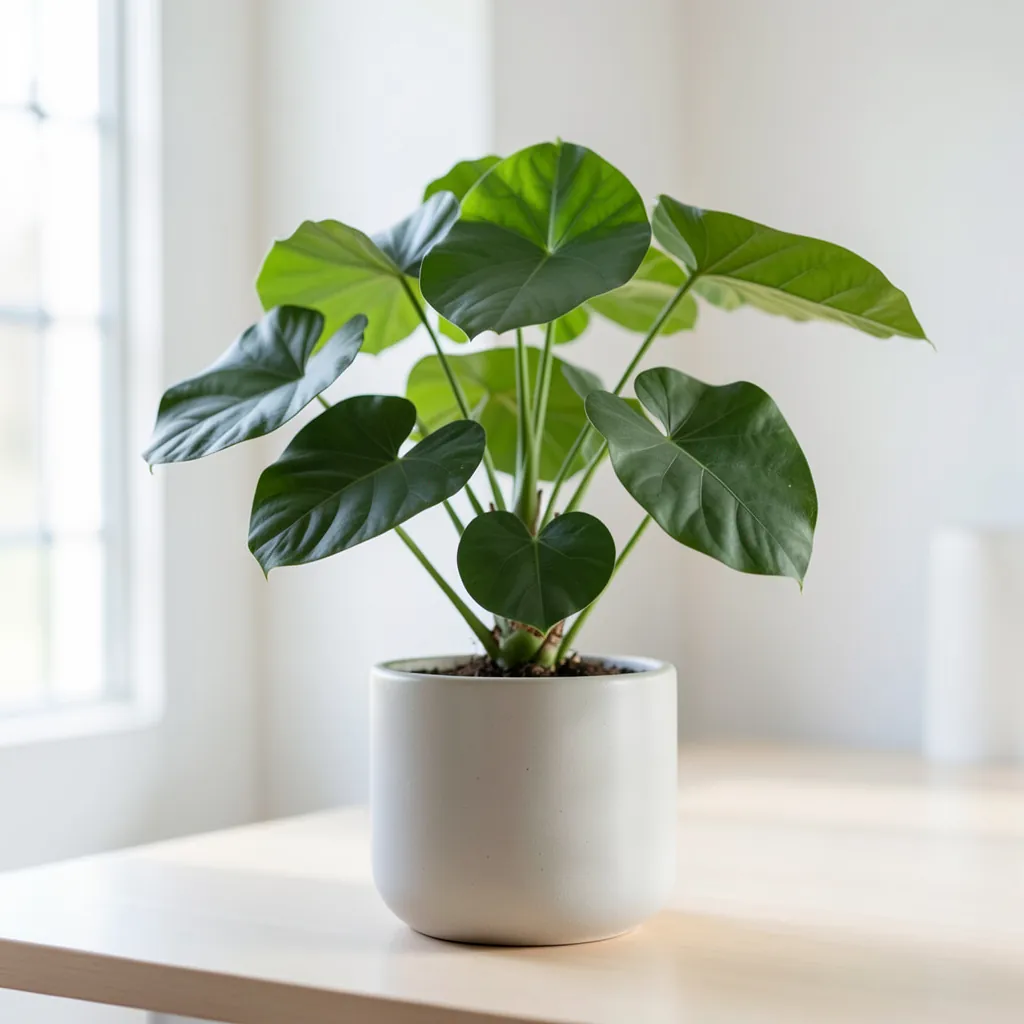
Caladium Plant Care Guide 🪴
Contents
- Light
- Watering
- Humidity and Temperature
- Soil and Fertilizer
- Repotting
- Propagation
- 🩺 Common Problems
- 🐾 Pet Safety and Toxicity
- 💡 Care Tips
- ❓ FAQ
Caladiums are tropical plants prized for their vibrant, heart-shaped leaves in shades of pink, red, white, and green. They are popular for adding bold color to indoor spaces and shaded gardens. With proper care, caladiums thrive as houseplants or outdoor ornamentals in warm climates.
Light: Bright indirect
Water: When the top inch of soil is dry
Humidity: Average to high
Temperature: 65-80°F (18-27°C)
Soil: Well-draining
Difficulty: Easy
Toxicity: Toxic to cats and dogs
Mature Size: 2-3 ft
Light
Caladiums thrive in bright, indirect light. Direct sunlight can scorch their delicate leaves, causing brown patches. If grown indoors, place them near a north or east-facing window. Signs of insufficient light include smaller leaves and fading colors.
Watering
Keep the soil consistently moist but not waterlogged. Water when the top inch of soil feels dry. Overwatering can lead to tuber rot, while underwatering causes leaves to wilt and yellow. Reduce watering during dormancy in cooler months.
Humidity and Temperature
Caladiums prefer high humidity (50-70%) and temperatures between 65-80°F (18-27°C). Use a humidifier, pebble tray, or misting to increase humidity indoors. Avoid cold drafts or temperatures below 60°F (16°C), as they can stunt growth or damage tubers.
Soil and Fertilizer
Plant caladiums in well-draining, nutrient-rich soil with a slightly acidic to neutral pH (5.5-6.5). Use a balanced, slow-release fertilizer at planting and supplement with a diluted liquid fertilizer every 2-4 weeks during the growing season. Avoid over-fertilizing, as it can dull leaf colors.
Repotting
- Repot caladiums every 1-2 years in spring.
- Choose a pot 1-2 inches larger than the current one with drainage holes.
- Gently remove the plant, trim dead roots, and place it in fresh soil.
- Water thoroughly and keep in a warm, humid spot until established.
Propagation
- Divide tubers in spring before planting.
- Cut tubers into sections, ensuring each has at least one “eye” (growing point).
- Let cut pieces dry for 1-2 days to prevent rot.
- Plant each section 2 inches deep in well-draining soil and water lightly.
🩺 Common Problems
| Symptom | Cause | Fix |
|---|---|---|
| Yellow leaves | Overwatering or underwatering | Adjust watering schedule |
| Drooping leaves | Dry soil | Water thoroughly |
| Brown tips | Low humidity or dry soil | Increase humidity and water more |
| Leaves curling | Pests or stress | Inspect for pests; adjust conditions |
| Mushy stems | Tuber rot | Remove affected parts; improve drainage |
| Not growing | Cold temperatures | Move to a warmer location |
🐾 Pet Safety and Toxicity
Caladiums are toxic to cats and dogs if ingested. They contain insoluble calcium oxalate crystals, which can cause oral irritation, drooling, and vomiting. Keep caladiums out of reach of pets or opt for pet-safe plants if necessary.
💡 Care Tips
- Avoid direct sunlight to prevent leaf burn.
- Maintain consistent moisture without overwatering.
- Group plants or use a humidifier to increase humidity indoors.
- Remove faded or damaged leaves to encourage healthy growth.
- Allow dormancy in cooler months by reducing watering and stopping fertilization.
❓ FAQ
Is caladium safe for pets?
No, caladiums are toxic to cats and dogs if ingested.
How often should I water caladiums?
Water when the top inch of soil is dry, typically every 3-5 days in warm weather.
Why are my caladium leaves turning yellow?
Yellow leaves are often caused by overwatering or underwatering. Adjust your watering schedule accordingly.
Can caladiums grow indoors?
Yes, caladiums make excellent houseplants. Provide bright indirect light, high humidity, and warm temperatures.
How fast do caladiums grow?
Caladiums grow quickly in warm conditions, reaching maturity in 6-8 weeks after planting tubers.
How do I propagate caladiums?
Divide tubers in spring, ensuring each section has at least one eye, and plant them fresh well-draining soil.
Related guides
- How to Care for Alocasia: A Complete Guide
- Areca Palm Care Guide
- Best Plants for Bathrooms: Top Picks for High Humidity
- bird of paradise care guide
- Bird of Paradise Plant Care: Complete Indoor Growing Guide