Bird’s Nest Fern Care Guide
Bird’s Nest Fern Care Guide
Contents
- Light
- Watering
- Humidity and Temperature
- Soil and Fertilizer
- Repotting
- Propagation
- 🩺 Common Problems
- 🐾 Pet Safety and Toxicity
- 💡 Care Tips
- ❓ FAQ
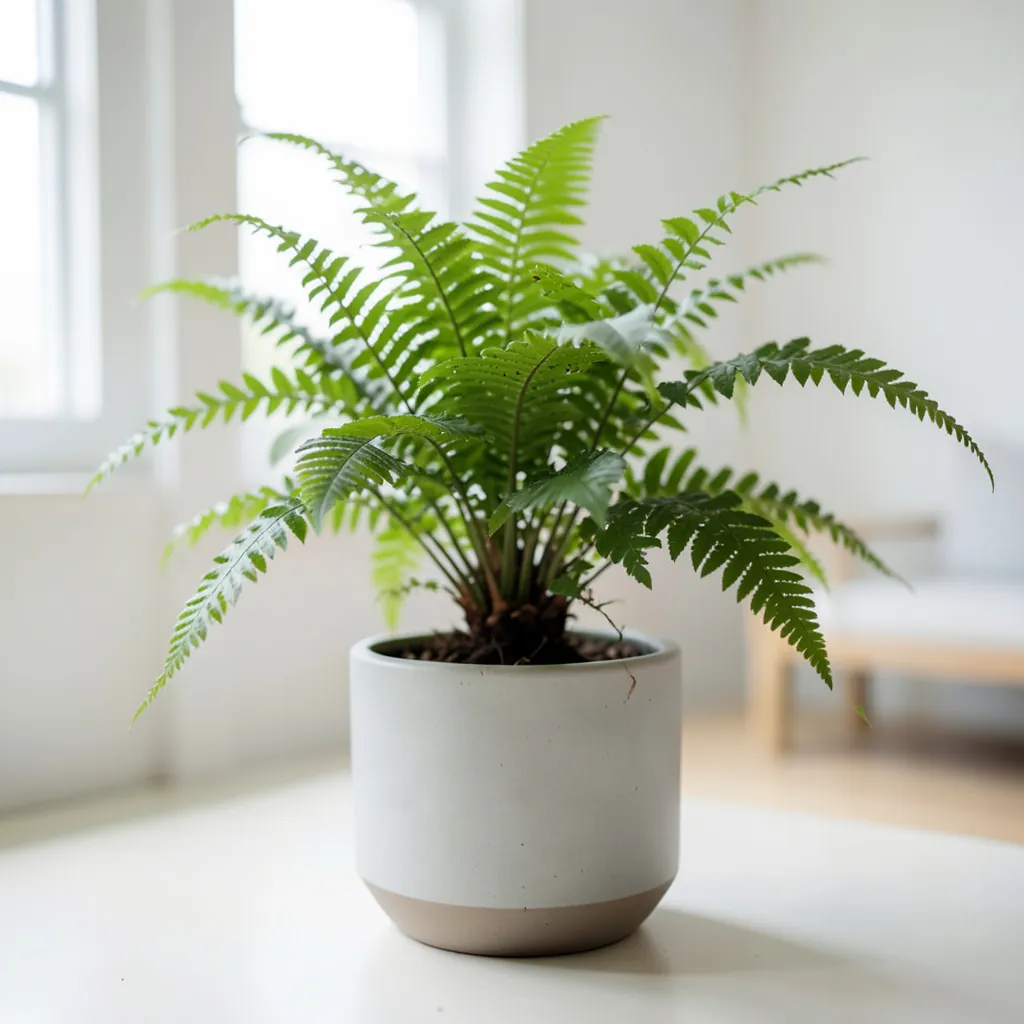
🪴 The bird’s nest fern (Asplenium nidus) is a tropical epiphytic fern with glossy, wavy fronds that unfurl from a central rosette, resembling a bird’s nest. Popular for its low-maintenance care and striking foliage, it thrives in humid environments like bathrooms and kitchens.
Light: Bright indirect
Water: When the top inch of soil is dry
Humidity: High (60% or higher)
Temperature: 65–80°F (18–27°C)
Soil: Well-draining, rich in organic matter
Difficulty: Easy
Toxicity: Pet-safe (non-toxic to cats and dogs)
Mature Size: 1.5–2 ft indoors (up to 5 ft outdoors)
Light
What kind of light does a bird’s nest fern need?
- Prefers bright, indirect light (east or north-facing windows).
- Direct sun scorches leaves (brown patches), while low light causes stunted growth.
Watering
How often should I water my bird’s nest fern?
- Water when the top inch of soil is dry, using lukewarm rainwater or filtered water (avoids chlorine/fluoride damage).
- Water at the pot’s edge to prevent crown rot—avoid pooling water in the center rosette.
- Seasonal adjustment: Reduce watering in winter; keep soil lightly moist in summer.
- Signs of overwatering: Yellow, mushy fronds or root rot.
Humidity and Temperature
How to maintain humidity and temperature?
- Humidity: ≥60% (use a humidifier, pebble tray, or frequent misting).
- Temperature: 65–80°F (18–27°C); avoid drafts and temps below 60°F (16°C).
Soil and Fertilizer
Best soil and fertilizer for bird’s nest ferns?
- Soil: Well-draining mix (e.g., potting soil + orchid bark + perlite). Slightly acidic pH preferred.
- Fertilizer: Half-strength balanced liquid fertilizer monthly (spring–summer); stop in fall/winter.
Repotting
When and how to repot?
- When: Every 2–3 years or if roots escape drainage holes.
- Steps:
- Choose a slightly larger pot with drainage.
- Gently remove fern, trim dead roots.
- Repot in fresh soil, keeping the crown at the same level.
- Water lightly and place in shade for 1–2 weeks.
Propagation
Can you propagate a bird’s nest fern?
- Spores: Collect spores from mature fronds, sow on moist peat, cover with plastic, and wait 2–3 months for growth.
- Division: Rarely works; best left to professionals.
🩺 Common Problems
| Symptom | Cause | Fix |
|---|---|---|
| Yellow leaves | Overwatering | Reduce watering, improve drainage |
| Brown tips | Low humidity/dry air | Increase humidity (pebble tray, misting) |
| Drooping | Underwatering | Water thoroughly |
| No growth | Low light | Move to brighter indirect light |
| Root rot | Soggy soil | Repot in dry soil, trim rotten roots |
🐾 Pet Safety and Toxicity
Bird’s nest ferns are non-toxic to cats and dogs, making them a safe choice for pet owners.
💡 Care Tips
- Avoid direct sun to prevent leaf scorch.
- Use filtered water to prevent crispy edges from chemicals.
- Clean leaves gently with a damp cloth to boost photosynthesis.
- Don’t bury the crown when repotting—it can rot.
❓ FAQ
Q: Is a bird’s nest fern toxic to pets?
A: No, it’s pet-safe for cats and dogs.
Q: How often should I water it?
A: When the top inch of soil is dry—typically weekly in summer, less in winter.
Q: Why are my fern’s leaves turning brown?
A: Low humidity or hard tap water. Use a humidifier and filtered water.
Q: Can it grow in low light?
A: Tolerates medium light but grows best in bright, indirect light.
Q: How fast does it grow?
A: Slow-growing; reaches maturity in 5–10 years.
Related guides
- How to Care for Alocasia: A Complete Guide
- Areca Palm Care Guide
- Best Plants for Bathrooms: Top Picks for High Humidity
- bird of paradise care guide
- Bird of Paradise Plant Care: Complete Indoor Growing Guide