Peace Lily Care: A Complete Guide to Keeping Your Spathiphyllum Thriving
Peace Lily Care: A Complete Guide to Keeping Your Spathiphyllum Thriving
Contents
- Quick Care Summary
- How Often Should I Water My Peace Lily?
- What’s the Best Light and Placement for My Peace Lily?
- When Should I Repot My Peace Lily?
- How Do I Propagate a Peace Lily?
- Common Peace Lily Problems and Solutions
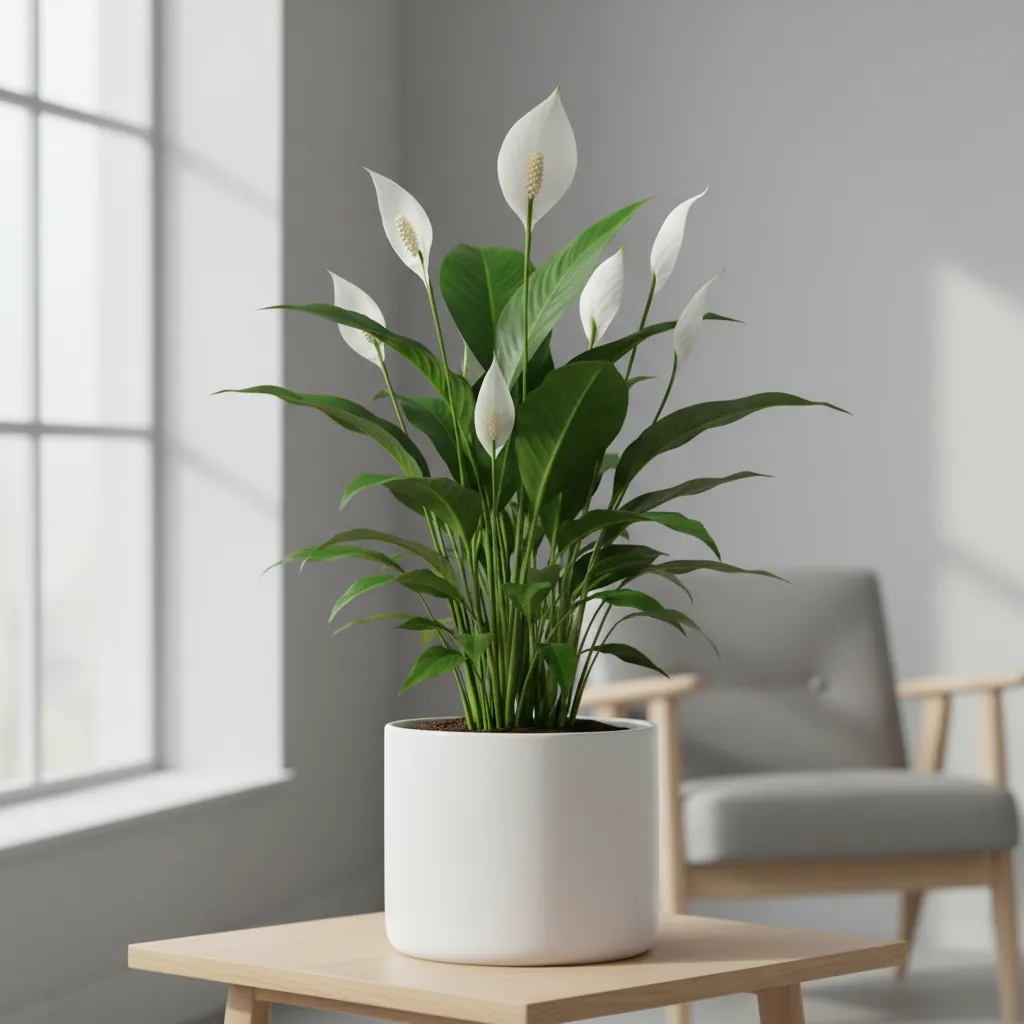
The peace lily (Spathiphyllum) is a popular indoor plant known for its lush green foliage and elegant white blooms. It’s a favorite among beginners and experienced plant enthusiasts alike due to its forgiving nature and air-purifying qualities. While easy to care for, peace lilies thrive best with attention to their specific needs for light, water, humidity, and soil.
Quick Care Summary
- Light: Low to bright indirect light; avoid direct sunlight.
- Water: Keep soil consistently moist; water when the top 1-2 inches of soil are dry.
- Humidity: Prefers high humidity; mist leaves or use a humidifier.
- Temperature: Ideal range is 65-85°F; avoid cold drafts.
- Soil: Use well-draining, organic-rich potting mix.
- Toxicity: Toxic to pets and humans if ingested.
How Often Should I Water My Peace Lily?
Peace lilies prefer consistently moist soil but dislike being waterlogged. Water when the top 1-2 inches of soil feel dry, ensuring thorough drainage. Bottom watering is recommended to prevent leaf spots caused by water splashing onto foliage. If the plant droops, it’s a sign it needs water and will recover within hours after watering. Overwatering can lead to root rot, so avoid letting the plant sit in standing water.
What’s the Best Light and Placement for My Peace Lily?
Peace lilies thrive in low to bright indirect light. Direct sunlight can scorch their leaves, while too little light may reduce flowering. Place them near an east-facing window or in a spot with filtered light. They can tolerate low-light conditions but may grow slower and produce fewer blooms.
When Should I Repot My Peace Lily?
Repot every 1-2 years or when the plant becomes root-bound. Signs include roots growing out of drainage holes and slower water absorption. Choose a pot 2-3 inches larger than the current one with good drainage. Use a high-quality, organic-rich potting mix like Metro-Mix 360 or Pennington Plant Starter to reduce transplant shock.
How Do I Propagate a Peace Lily?
Propagation is best done during repotting. Gently divide the root ball into sections, ensuring each has healthy roots and leaves. Plant divisions in fresh soil and water thoroughly. Propagation is simple and effective, making peace lilies a great plant to share with friends or expand your collection.
Common Peace Lily Problems and Solutions
| Issue | Cause | Solution |
|---|---|---|
| Yellow leaves | Overwatering, poor drainage | Check soil moisture and repot if needed. |
| Brown leaf tips | Low humidity, over-fertilizing | Mist leaves or use a humidifier; fertilize less. |
| Drooping leaves | Underwatering | Water thoroughly and establish a regular schedule. |
| Root rot | Overwatering, poor drainage | Repot in fresh soil and trim affected roots. |
| Lack of blooms | Insufficient light | Move to a brighter spot with indirect light. |
FAQ
Why are my peace lily’s leaves turning brown?
Brown leaf tips often result from low humidity, over-fertilizing, or exposure to cold drafts. Increase humidity by misting or using a humidifier, and ensure the plant is away from drafts.
Can peace lilies grow in water?
Yes, peace lilies can grow hydroponically. They thrive in water as long as roots are submerged, but soil cultivation is preferred for long-term health.
How long do peace lilies live?
With proper care, peace lilies can live for 5-10 years or more. Some have been known to thrive for decades indoors.
Are peace lilies safe for pets?
No, peace lilies are toxic to cats and dogs if ingested. Keep them out of reach of pets and children.
Why isn’t my peace lily blooming?
Insufficient light is the most common cause. Move the plant to a brighter spot with indirect light and ensure it’s not over-fertilized.
Related guides
- How to Care for Aloe Vera: A Complete Guide to Thriving Plants
- Chinese Evergreen Care Guide
- Fiddle Leaf Fig Care Guide
- Jade Plant Care Guide
- Monstera Care Guide