Kalanchoe Care Guide: How to Grow and Care for Flaming Katy
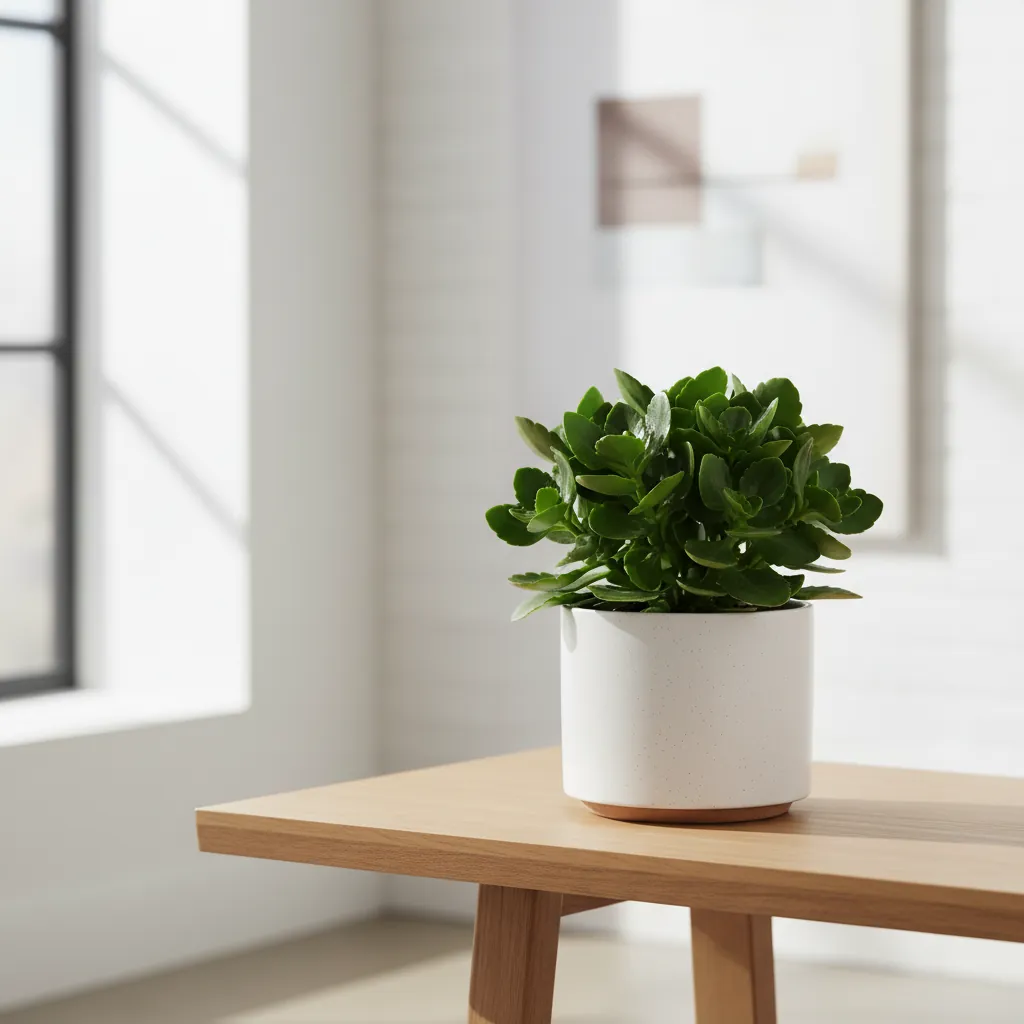
Kalanchoe Care Guide: How to Grow and Care for Flaming Katy
Contents
Kalanchoe (Kalanchoe blossfeldiana), commonly known as Flaming Katy, is a popular succulent houseplant prized for its vibrant, long-lasting flowers in shades of red, pink, orange, yellow, and white. Native to Madagascar, this drought-tolerant plant thrives with minimal care, making it an excellent choice for beginners and seasoned gardeners alike.
Quick Care Summary
- Light: Bright, indirect sunlight; tolerates gentle morning sun.
- Water: Allow soil to dry completely between waterings; water deeply but infrequently.
- Humidity: Low to moderate; thrives in standard room humidity.
- Temperature: 60-85°F (16-29°C); protect from temperatures below 50°F (10°C).
- Soil: Well-draining cactus or succulent mix.
- Toxicity: Toxic to cats and dogs if ingested.
Watering
Kalanchoes are succulents and prefer minimal water. Overwatering is the most common issue, leading to root rot. Water deeply only when the top 1-2 inches of soil feel dry. In winter, reduce watering frequency. Always ensure pots have drainage holes to prevent waterlogging.
Light & Placement
Kalanchoes thrive in bright, indirect light. A south-facing window with sheer curtains is ideal, as direct afternoon sun can scorch the leaves. In winter, ensure the plant receives at least 4 hours of sunlight daily. Rotate the pot occasionally for even growth.
Soil & Repotting
Use a well-draining cactus or succulent mix. Repot every 1-2 years in spring, choosing a pot slightly larger than the current one. Terracotta pots are recommended for their moisture-wicking properties. Ensure the new pot has drainage holes to avoid water retention.
Propagation
Kalanchoes are easily propagated through stem or leaf cuttings. For stem cuttings, cut a 4-5 inch section, let it dry for a day, and plant it in moist soil. Leaf cuttings can be placed on soil until roots form. Keep new cuttings in bright, indirect light and water sparingly.
Common Problems
- Yellow Leaves: Often caused by overwatering or poor drainage. Check soil moisture and ensure proper drainage.
- Root Rot: Results from excessive waterlogged soil. Repot in fresh, dry soil if detected.
- Pests: Mealybugs and aphids can infest the plant. Treat with insecticidal soap or neem oil.
- Leggy Growth: Insufficient light can cause elongated stems. Move the plant to a brighter location.
FAQ
Q: How do I encourage my Kalanchoe to bloom again?
A: Kalanchoes are short-day plants. To rebloom, provide 14 hours of complete darkness daily for 6-8 weeks. Cover the plant with a box or place it in a dark room at night.
Q: Is Kalanchoe safe for pets?
A: No, Kalanchoe is toxic to cats and dogs if ingested. Keep it out of reach of pets.
Q: Can I grow Kalanchoe outdoors?
A: Yes, but only in USDA zones 10-12. In cooler climates, grow it as a houseplant or move it outdoors during warm months.
Q: Why are my Kalanchoe leaves turning red?
A: Red edges on leaves are normal and occur with strong light exposure and cooler temperatures.
With proper care, Kalanchoe can thrive indoors, adding vibrant color to your space for years to come.
Related guides
- Christmas Cactus Care: How to Keep Your Holiday Cactus Thriving
- flaming katy plant care
- How to Care for Hoya Plants: A Complete Guide
- Hoya Care Guide: How to Keep Your Wax Plant Thriving
- Hoya Wax Plant Care Guide