Hoya Care Guide: How to Keep Your Wax Plant Thriving
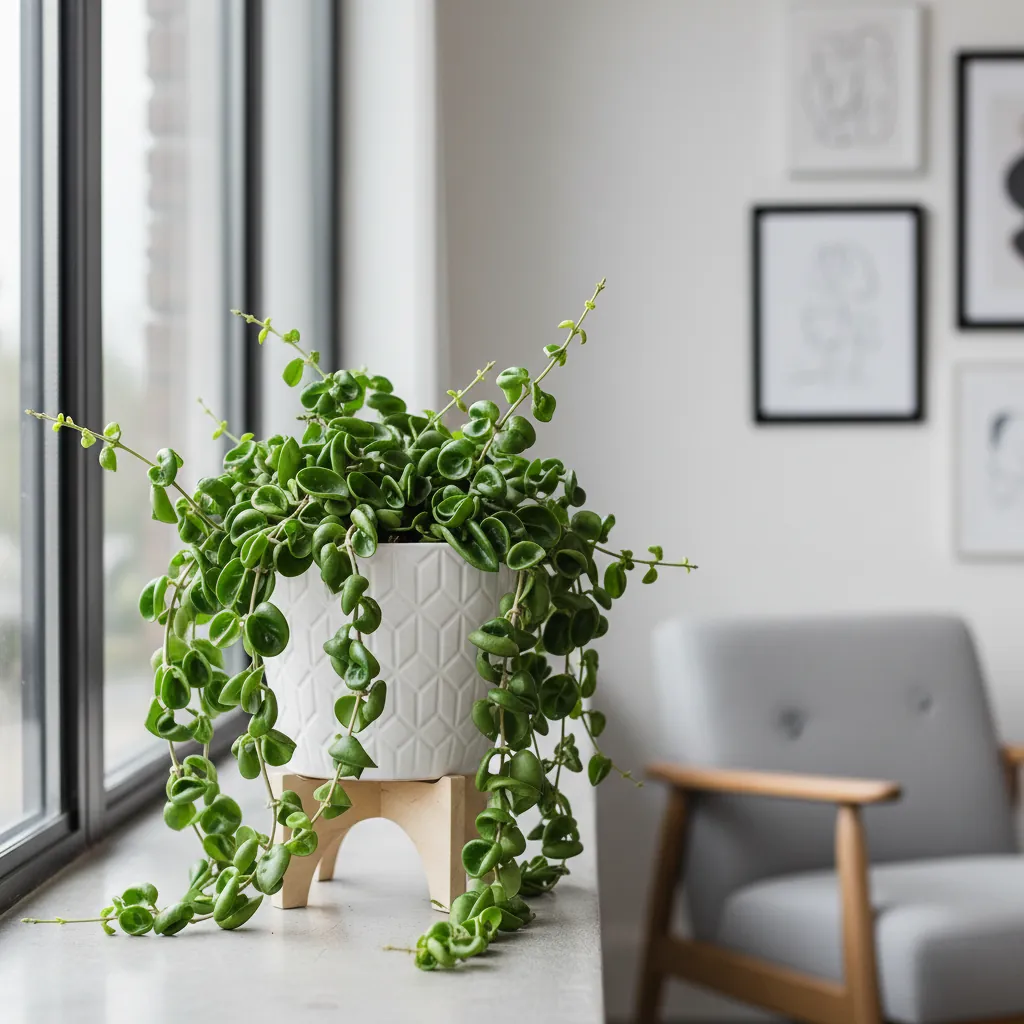
Hoya Care Guide: How to Keep Your Wax Plant Thriving
Contents
- Quick Care Summary
- How Often Should I Water My Hoya?
- What Light is Best for My Hoya?
- What Soil Should I Use for My Hoya?
- How Do I Propagate My Hoya?
- What Are Common Hoya Problems?
- Frequently Asked Questions
Hoyas, often called wax plants or porcelain flowers, are beloved for their waxy foliage and star-shaped blooms. Native to tropical and subtropical regions, these vining plants are low-maintenance and pet-friendly, making them ideal for indoor gardeners. With proper care, hoyas can grow vigorously and bloom beautifully.
Quick Care Summary
- Light: Bright, indirect light. Tolerates medium light but blooms best in brighter conditions.
- Water: Let soil dry completely between waterings. Water thoroughly, ensuring proper drainage.
- Humidity: Average household humidity is sufficient, but higher humidity promotes growth.
- Temperature: Ideal range is 60-85°F (15-29°C). Avoid cold drafts.
- Soil: Well-draining mix (e.g., cactus soil amended with perlite or pine bark).
- Toxicity: Non-toxic to pets and humans.
How Often Should I Water My Hoya?
Hoyas are drought-tolerant and prefer to dry out completely between waterings. Overwatering is a common issue and can lead to root rot. Water thoroughly until it flows out of the drainage holes, then discard excess water. During winter, reduce watering as the plant’s growth slows.
What Light is Best for My Hoya?
Hoyas thrive in bright, indirect light. While they can tolerate medium light, brighter conditions encourage flowering and vibrant foliage. Avoid direct sunlight, which can scorch the leaves. East or south-facing windows are ideal.
What Soil Should I Use for My Hoya?
A well-draining soil mix is crucial. Use a cactus or succulent soil base and amend it with perlite, pine bark, or coco coir to improve drainage. Hoyas dislike sitting in soggy soil, so ensure the pot has drainage holes.
How Do I Propagate My Hoya?
Propagate hoyas easily through stem cuttings. Take a cutting with at least one node and a leaf, and place it in water or moist soil. Roots typically form within a few weeks. Some hoyas, like Hoya linearis, may root from stem nodes alone.
What Are Common Hoya Problems?
Yellow Leaves
- Cause: Overwatering or poor drainage.
- Solution: Allow the soil to dry completely before watering again and ensure proper drainage.
Brown Leaf Edges
- Cause: Direct sunlight or low humidity.
- Solution: Move the plant to a spot with indirect light and increase humidity if needed.
Root Rot
- Cause: Overwatering or poorly draining soil.
- Solution: Repot in fresh, well-draining soil and trim damaged roots.
Pests
- Common Pests: Mealybugs and spider mites.
- Solution: Wipe leaves with neem oil or insecticidal soap and isolate the plant if infested.
Failure to Bloom
- Cause: Insufficient light or immature plant.
- Solution: Increase light exposure and ensure the plant is mature enough to flower.
Frequently Asked Questions
Is My Hoya Toxic to Pets?
No, hoyas are non-toxic to cats, dogs, and humans.
Why Isn’t My Hoya Blooming?
Hoyas need bright light, maturity, and sometimes a snug pot to bloom. Ensure your plant receives adequate light and is not overwatered.
Can I Grow a Hoya in Low Light?
While hoyas tolerate low light, they thrive best in bright, indirect light. Low light may result in slower growth and fewer blooms.
How Often Should I Fertilize My Hoya?
Fertilize monthly during the growing season (spring and summer) with a balanced, diluted houseplant fertilizer. Avoid fertilizing in winter.
Can I Repot My Hoya Frequently?
Hoyas prefer to be slightly root-bound and do not need frequent repotting. Repot only when the plant outgrows its container, typically every 2-3 years.
Can I Grow a Hoya in Water?
Yes, hoyas can grow in water, but they may not thrive as well as in soil. For long-term growth, transfer water-rooted cuttings to soil.
Related guides
- Orchid Care: A Complete Guide to Thriving Indoor Plants
- Peace Lily Care: A Complete Guide to Keeping Your Spathiphyllum Thriving
- Air Plant Care Guide: How to Keep Your Tillandsia Thriving
- How to Care for Aloe Vera: A Complete Guide to Thriving Plants
- Anthurium Care Guide: Keep Your Flamingo Flower Thriving