Why Is My Plant Dropping Leaves? Common Causes and Fixes
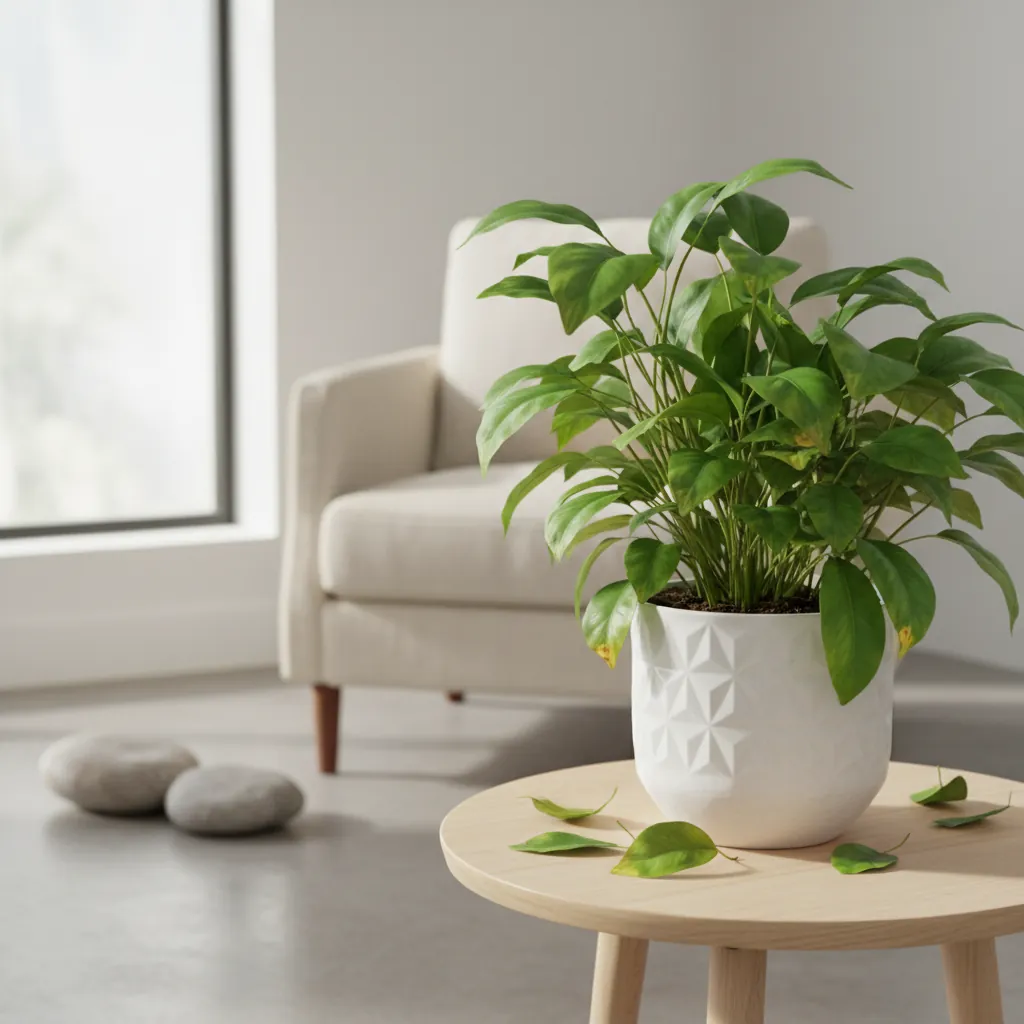
Why Is My Plant Dropping Leaves? Common Causes and Fixes
Contents
Plants drop leaves due to stress from environmental changes, improper watering, inadequate light, pests, or nutrient deficiencies. Sudden leaf loss often signals shock (e.g., moving the plant), while gradual yellowing/browning indicates watering issues or poor nutrition. Most causes are fixable with adjusted care.
Quick Care Summary
- Light: Bright indirect light (varies by species; avoid direct sun for sensitive plants).
- Water: When top 1-2 inches of soil are dry (overwatering is more common than underwatering).
- Humidity: 40-60% for most tropical plants; use a humidifier or pebble tray if air is dry.
- Temperature: 65-75°F (18-24°C); avoid drafts or sudden temperature swings.
- Soil: Well-draining mix (e.g., peat/perlite); repot every 1-2 years.
- Toxicity: Varies by plant (e.g., fiddle leaf figs are toxic to pets; spider plants are safe).
Why Is My Houseplant Dropping Leaves?
1. Plant Shock (Sudden Environmental Changes)
Symptoms: Sudden leaf drop after moving the plant or repotting. Common in fiddle leaf figs, rubber plants, and ficus varieties.
Fix:
- Acclimate plants slowly to new locations (e.g., move incrementally closer to a window over a week).
- Avoid repotting during active growth periods unless root-bound.
2. Improper Watering
Overwatering: Yellow leaves, soft stems, or blackened roots (root rot).
Underwatering: Crispy brown leaves, dry soil.
Fix:
- Water only when the top 1-2 inches of soil are dry. Use a moisture meter or finger test.
- Ensure pots have drainage holes. Reduce watering in winter.
3. Insufficient Light
Symptoms: Leggy growth, small leaves, or leaf drop on lower/shaded areas.
Fix:
- Move to bright indirect light (e.g., north/east-facing window).
- Supplement with grow lights if natural light is low.
4. Low Humidity or Temperature Stress
Symptoms: Brown leaf edges, curling leaves (common in tropical plants like calatheas).
Fix:
- Group plants together or use a humidifier.
- Keep away from AC vents, radiators, or drafty windows.
5. Nutrient Deficiency or Over-Fertilizing
Symptoms: Yellowing between veins (magnesium deficiency), stunted growth.
Fix:
- Fertilize monthly in spring/summer with balanced plant food (e.g., 10-10-10).
- Flush soil every few months to prevent salt buildup.
6. Pests or Diseases
Common Pests: Spider mites (fine webbing), mealybugs (white fluff), scale (brown bumps).
Fix:
- Isolate affected plants. Treat with neem oil or insecticidal soap.
- Trim severely infected leaves.
How to Prevent Leaf Drop
- Consistency: Avoid sudden changes in light, temperature, or watering routines.
- Check Soil: Ensure proper drainage and aerate compacted soil.
- Monitor Humidity: Use a hygrometer to track levels.
FAQ
How many dropped leaves are normal?
A few older leaves yellowing and dropping is natural. Sudden or widespread loss isn’t.
Can a plant recover from losing all its leaves?
Yes, if the roots/stem are healthy. Trim dead growth and adjust care (light/water).
Are yellow leaves always a sign of overwatering?
No—yellow leaves can also mean underwatering, low light, or nutrient issues. Check soil moisture first.
Should I mist my plant to increase humidity?
Misting has minimal impact. Use a humidifier or pebble tray for lasting results.
Is tap water safe for plants?
Some plants (e.g., calatheas) are sensitive to fluoride/chlorine. Use filtered or distilled water if leaves brown.
Related guides
- Aglaonema Care Guide: How to Grow Chinese Evergreen Indoors
- Bird’s Nest Fern Care Guide
- Chinese Evergreen Care Guide
- English Ivy Care Guide
- Fiddle Leaf Fig Care Guide