Spider Plant Care Guide
Spider Plant Care Guide
Contents
- Quick Care Summary
- How Often Should I Water My Spider Plant?
- What Kind of Light Does a Spider Plant Need?
- What Soil Should I Use for My Spider Plant, and How Often Should I Repot It?
- How Do I Propagate My Spider Plant?
- What Are Common Spider Plant Problems?
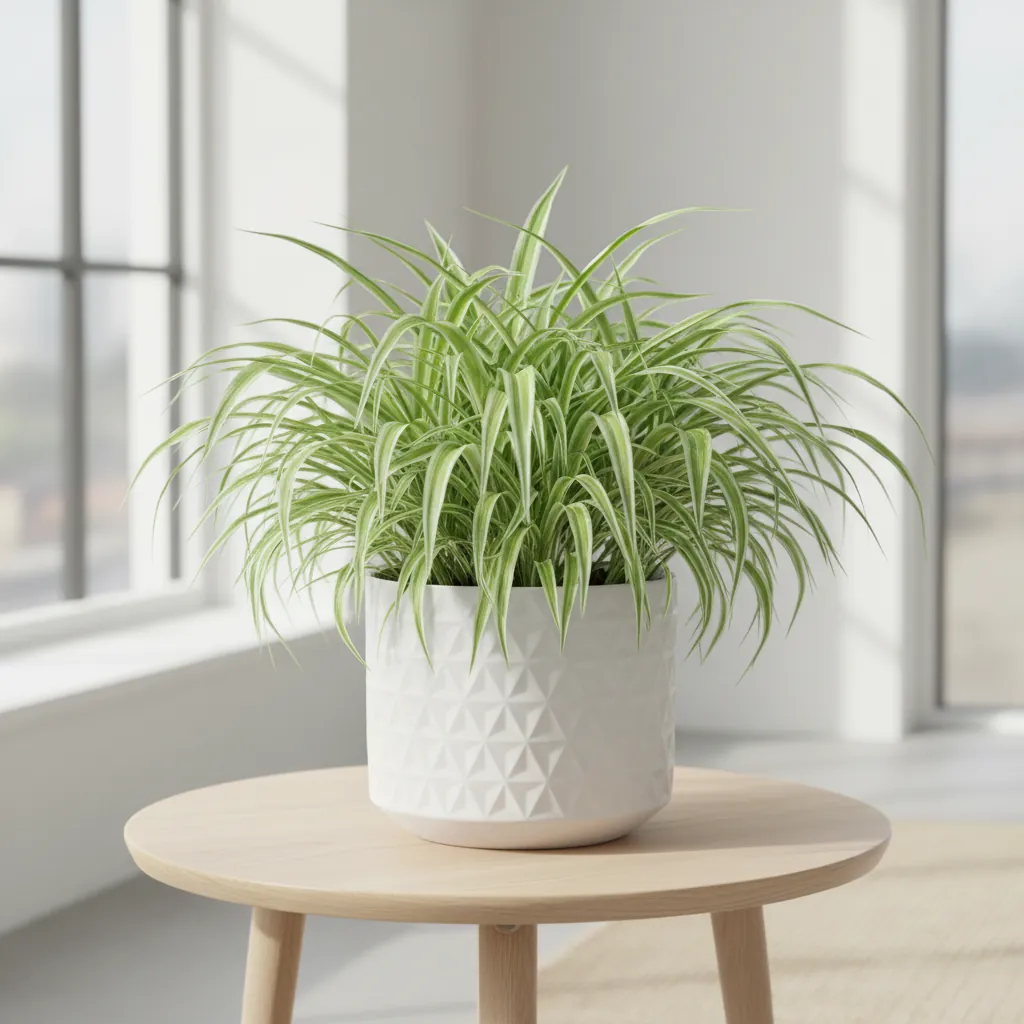
Spider plants (Chlorophytum comosum) are one of the most popular houseplants due to their low-maintenance nature, adaptability, and ability to thrive in a variety of conditions. Known for their cascading leaves and spider-like offsets called “spiderettes,” they are perfect for beginners and experienced plant parents alike. Let’s dive into how to care for these resilient plants.
Quick Care Summary
- Light: Bright, indirect light. Avoid direct sunlight to prevent leaf burn.
- Water: Water when the top 2 inches of soil are dry. Avoid overwatering to prevent root rot.
- Humidity: Moderate humidity is ideal. Mist leaves or use a humidity tray if air is dry.
- Temperature: Keep between 65°F and 85°F. Avoid drafts and extreme temperatures.
- Soil: Well-draining potting mix.
- Toxicity: Non-toxic and safe for pets, though ingestion may cause mild stomach upset.
How Often Should I Water My Spider Plant?
Spider plants prefer their soil to dry out slightly between waterings. Check the top 2 inches of soil—if it feels dry, it’s time to water. Water thoroughly, allowing excess water to drain out of the pot’s holes. In winter, reduce watering frequency as growth slows. Overwatering can lead to root rot, so avoid letting the plant sit in water.
What Kind of Light Does a Spider Plant Need?
Spider plants thrive in bright, indirect light. Direct sunlight can scorch their leaves, causing brown tips or spots. They can tolerate lower light conditions, but variegated varieties may lose their stripes and revert to solid green. For optimal growth, place them near a north or east-facing window or under strong artificial light.
What Soil Should I Use for My Spider Plant, and How Often Should I Repot It?
Use a well-draining potting mix to prevent waterlogging. A blend of potting soil, perlite, and peat moss works well. Repot every 1–2 years or when roots become crowded and start growing out of the drainage holes. When repotting, trim the roots slightly to encourage healthy growth.
How Do I Propagate My Spider Plant?
Spider plants produce spiderettes (baby plants) that can be easily propagated. Once the spiderettes develop small root nodules, cut them from the parent plant and place them in water or directly into soil. For a fuller look, plant multiple spiderettes together in one pot. Keep the soil moist until new growth appears.
What Are Common Spider Plant Problems?
- Brown Tips: Often caused by tap water chemicals, low humidity, or overfertilization. Use filtered water, mist leaves, and trim brown tips.
- Yellow Leaves: Usually a sign of overwatering or nutrient deficiency. Adjust watering and fertilize sparingly during the growing season.
- Root Rot: Caused by overwatering or poor drainage. Repot the plant in fresh soil and trim any rotted roots.
- Pests: Spider plants can attract mealybugs and scale. Wipe leaves with a damp cloth or treat with insecticidal soap.
FAQ
Q: Can spider plants grow in low light?
A: Yes, but growth will be slower, and variegated varieties may lose their stripes.
Q: Why are my spider plant’s leaves turning yellow?
A: Yellow leaves are often a sign of overwatering or nutrient deficiency. Adjust your watering schedule and fertilize lightly during the growing season.
Q: Are spider plants safe for pets?
A: Yes, they are non-toxic, but ingestion may cause mild stomach upset.
Q: How often should I fertilize my spider plant?
A: Fertilize once a month during the growing season (spring and summer) with a balanced fertilizer diluted to half strength.
Q: Why are the tips of my spider plant turning brown?
A: Brown tips are commonly caused by fluoride in tap water, low humidity, or too much fertilizer. Use filtered water and mist the leaves regularly.
Related guides
- How to Care for Aloe Vera: A Complete Guide to Thriving Plants
- Chinese Evergreen Care Guide
- Fiddle Leaf Fig Care Guide
- Jade Plant Care Guide
- Monstera Care Guide