String of Hearts Plant Care Guide
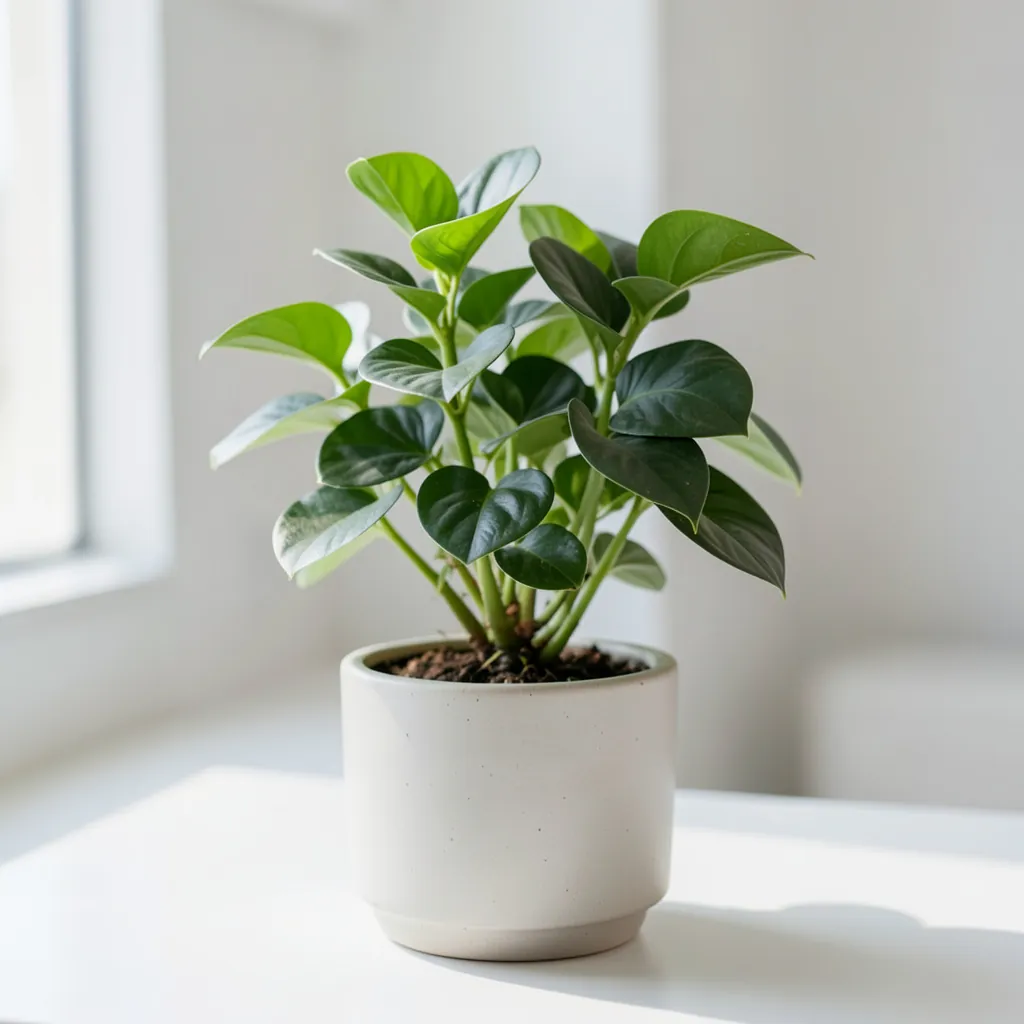
String of Hearts Plant Care Guide
Contents
- Light
- Watering
- Humidity and Temperature
- Soil and Fertilizer
- Repotting
- Propagation
- 🩺 Common Problems
- 🐾 Pet Safety and Toxicity
- 💡 Care Tips
- ❓ FAQ
🪴 The String of Hearts (Ceropegia woodii) is a charming trailing houseplant known for its delicate, heart-shaped leaves and low-maintenance nature. Its silvery-green foliage and soft purple undersides make it a popular choice for hanging baskets or shelves. It’s particularly loved for being pet-friendly and forgiving of occasional neglect, making it ideal for beginners and busy plant parents.
Light: Bright indirect
Water: When the top inch of soil is dry
Humidity: Average to high
Temperature: 65-80°F (18-27°C)
Soil: Well-draining
Difficulty: Easy
Toxicity: Pet-safe (non-toxic to cats and dogs)
Mature Size: 2-3 ft
Light
How much light does a String of Hearts need?
This plant thrives in bright, indirect light. Place it near a north-facing or east-facing window where it can receive filtered sunlight. Direct sun can scorch its delicate leaves, while insufficient light may cause leggy growth and faded leaf color. Signs of too much light include crispy, brown edges, while too little light leads to sparse foliage and slower growth.
Watering
How often should you water a String of Hearts?
Water when the top inch of soil feels dry, typically every 1-2 weeks, depending on your home’s humidity and temperature. Overwatering can cause root rot, so ensure the pot has drainage and avoid letting the plant sit in water. During winter, reduce watering frequency as the plant enters dormancy.
Humidity and Temperature
What humidity and temperature are best?
The String of Hearts prefers average household humidity (40-50%) but tolerates higher levels. Grouping plants or using a humidity tray can help in dry environments. Maintain temperatures between 65-80°F (18-27°C) and avoid cold drafts or temperatures below 60°F (15°C).
Soil and Fertilizer
What soil and fertilizer should you use?
Use a well-draining soil mix, such as cactus or succulent soil blended with perlite. Fertilize monthly with a balanced fertilizer during the growing season (spring to autumn) and avoid feeding during winter.
Repotting
When and how do you repot a String of Hearts?
Repot every 2-3 years or when roots become root-bound:
- Choose a pot slightly larger than the current one with drainage holes.
- Gently remove the plant and shake off old soil.
- Place it in the new pot filled with fresh soil.
- Water lightly and allow it to adjust in indirect light.
Propagation
How do you propagate a String of Hearts?
Propagation is easy using stem cuttings or tubers:
- Cut a healthy stem with at least 2 nodes.
- Lay the cutting on moist soil or submerge the nodes in water.
- Keep the soil or water moist and place in bright, indirect light.
- Roots will form in 2-4 weeks.
🩺 Common Problems
| Symptom | Cause | Fix |
|---|---|---|
| Yellow leaves | Overwatering | Let soil dry out completely between waterings. |
| Brown, crispy tips | Too much direct sunlight | Move to bright, indirect light. |
| Drooping stems | Underwatering | Water thoroughly and increase humidity. |
| Leaves curling | Low humidity or underwatering | Increase humidity and check soil moisture. |
| Mushy stems/roots | Root rot | Trim affected roots and repot in fresh soil. |
| Slow growth | Low light or low nutrients | Move to brighter light and fertilize. |
🐾 Pet Safety and Toxicity
The String of Hearts is pet-safe and non-toxic to both cats and dogs. However, ingesting large amounts may cause mild stomach upset, so it’s best to keep it out of reach of curious pets.
💡 Care Tips
- Rotate the plant regularly for even growth.
- Trim long vines to encourage bushier growth.
- Avoid overwatering—err on the side of underwatering.
- Use a hanging pot to showcase its trailing beauty.
- Clean leaves with a damp cloth to remove dust.
❓ FAQ
Q: Is the String of Hearts toxic to cats?
A: No, it’s pet-safe and non-toxic to cats and dogs.
Q: How often should I water my String of Hearts?
A: Water when the top inch of soil is dry, typically every 1-2 weeks.
Q: Why are my plant’s leaves turning yellow?
A: Yellow leaves are usually caused by overwatering. Let the soil dry out before watering again.
Q: How much light does it need?
A: It thrives in bright, indirect light. Avoid direct sunlight.
Q: How fast does it grow?
A: It’s a relatively fast grower, especially in spring and summer with proper care.
Q: Can I propagate it in water?
A: Yes, cuttings can be propagated in water or directly in soil.
Related guides
- Air Plant Care Guide: How to Keep Your Tillandsia Thriving
- how do you care for venus fly traps
- How to Get Rid of Spider Mites on Houseplants
- Ponytail Palm Care Guide: Everything You Need to Know
- Pet-Friendly Houseplants: Safe Greenery for Cats and Dogs