Pilea Peperomioides (Chinese Money Plant) Care Guide
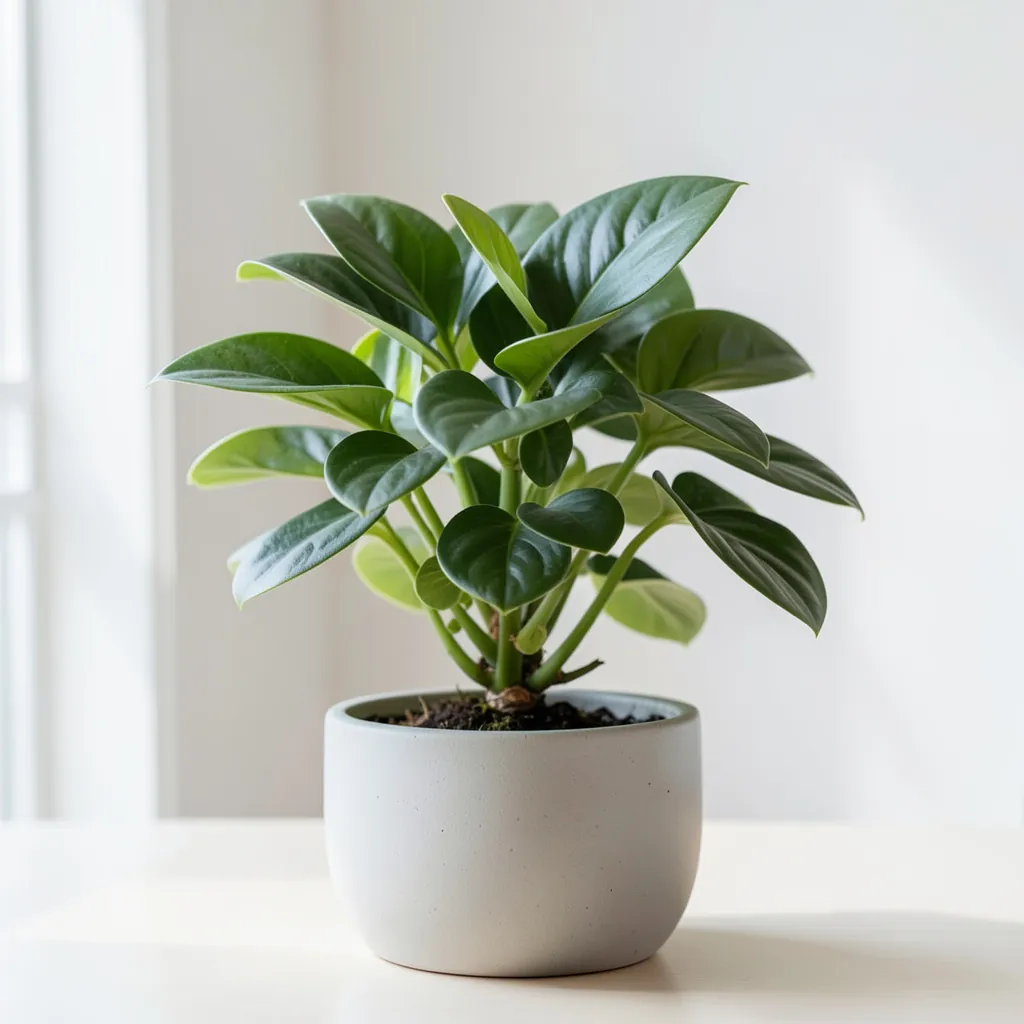
Pilea Peperomioides (Chinese Money Plant) Care Guide
Contents
- Quick Care Summary
- How Often Should I Water My Pilea Peperomioides?
- Where Should I Place My Chinese Money Plant for Optimal Light?
- What Soil and Repotting Does Pilea Peperomioides Need?
- How Do I Propagate Pilea Peperomioides?
- Common Pilea Peperomioides Problems and Fixes
- Pilea Peperomioides FAQ
Pilea peperomioides, commonly called the Chinese Money Plant, is a popular houseplant known for its unique coin-shaped leaves and easy-care nature. Native to China, it thrives in bright indirect light with moderate watering, making it ideal for beginners. Its rapid growth and propagation via “pups” add to its appeal as a shareable plant.
Quick Care Summary
- Light: Bright indirect light (east/west window ideal; avoid harsh midday sun)
- Water: Let top 2-3 cm of soil dry between waterings; reduce in winter
- Humidity: Tolerates average household humidity (40-50%); avoid arid/drafty spots
- Temperature: 18-24°C (65-75°F); protect below 10°C (50°F)
- Soil: Well-draining mix (e.g., potting soil + perlite/sand)
- Toxicity: Pet-safe (non-toxic to cats/dogs)
How Often Should I Water My Pilea Peperomioides?
Water when the top 2-3 cm (1 inch) of soil is dry. Signs of overwatering: yellow leaves, mold on soil, root rot. Signs of underwatering: drooping, curling leaves.
- Summer: Water every 7-10 days
- Winter: Water every 2-3 weeks
- Tip: Use room-temperature rainwater/filtered water to avoid mineral buildup.
Where Should I Place My Chinese Money Plant for Optimal Light?
- Best spots: East- or west-facing windows with sheer curtains. North-facing works if bright.
- Avoid: Direct southern sun (causes leaf scorch) or dark corners (leads to leggy growth).
- Rotate the plant weekly to ensure even growth.
Light Issue Symptoms
| Symptom | Likely Cause | Fix |
|---|---|---|
| Pale leaves | Too much light | Move back from window |
| Leggy stems | Too little light | Move closer to light source |
| Brown spots | Sunburn | Filter light with curtain |
What Soil and Repotting Does Pilea Peperomioides Need?
Soil Mix
- 2 parts houseplant soil + 1 part perlite/pumice for drainage.
- Avoid heavy soils or oversized pots (leads to waterlogging).
Repotting
- When: Every 1-2 years in spring, or if roots poke through drainage holes.
- Steps:
- Choose a pot 2-3 cm larger than the root ball.
- Gently loosen roots and refresh soil.
- Water lightly after repotting; wait 1 week before normal care.
How Do I Propagate Pilea Peperomioides?
Propagate via offsets (“pups”) that grow from the base:
- Wait until pups are 5-8 cm tall with 2-3 leaves.
- Gently separate from the mother plant with roots intact.
- Plant in moist soil and keep warm/bright (no direct sun). Roots form in 2-4 weeks.
Alternative: Stem cuttings in water (change water weekly) until roots develop, then transfer to soil.
Common Pilea Peperomioides Problems and Fixes
| Problem | Cause | Solution |
|---|---|---|
| Yellow leaves | Overwatering/root rot | Let soil dry; trim rotted roots |
| Curling leaves | Underwatering/low humidity | Water deeply; use pebble tray |
| Brown edges | Low humidity/chemicals in water | Mist leaves; use filtered water |
| Pests (spider mites, mealybugs) | Dry/dusty conditions | Wipe leaves with soapy water; neem oil |
Pilea Peperomioides FAQ
Q: Why are my pilea’s leaves cupping?
A: Usually due to inconsistent watering or too much light. Stabilize care and rotate the plant.
Q: Can I put my Chinese money plant outside?
A: Only in summer (above 15°C/60°F), in dappled shade. Bring indoors before frost.
Q: Do pileas flower?
A: Rarely indoors. Small white/pink flowers are insignificant compared to foliage.
Q: How fast do pileas grow?
A: 15-30 cm (6-12 inches) per year with good light and care.
Related guides
- Air Plant Care Guide: How to Keep Your Tillandsia Thriving
- how do you care for venus fly traps
- How to Get Rid of Spider Mites on Houseplants
- Ponytail Palm Care Guide: Everything You Need to Know
- Pet-Friendly Houseplants: Safe Greenery for Cats and Dogs