Polka Dot Begonia Care Guide: How to Grow Begonia Maculata Successfully
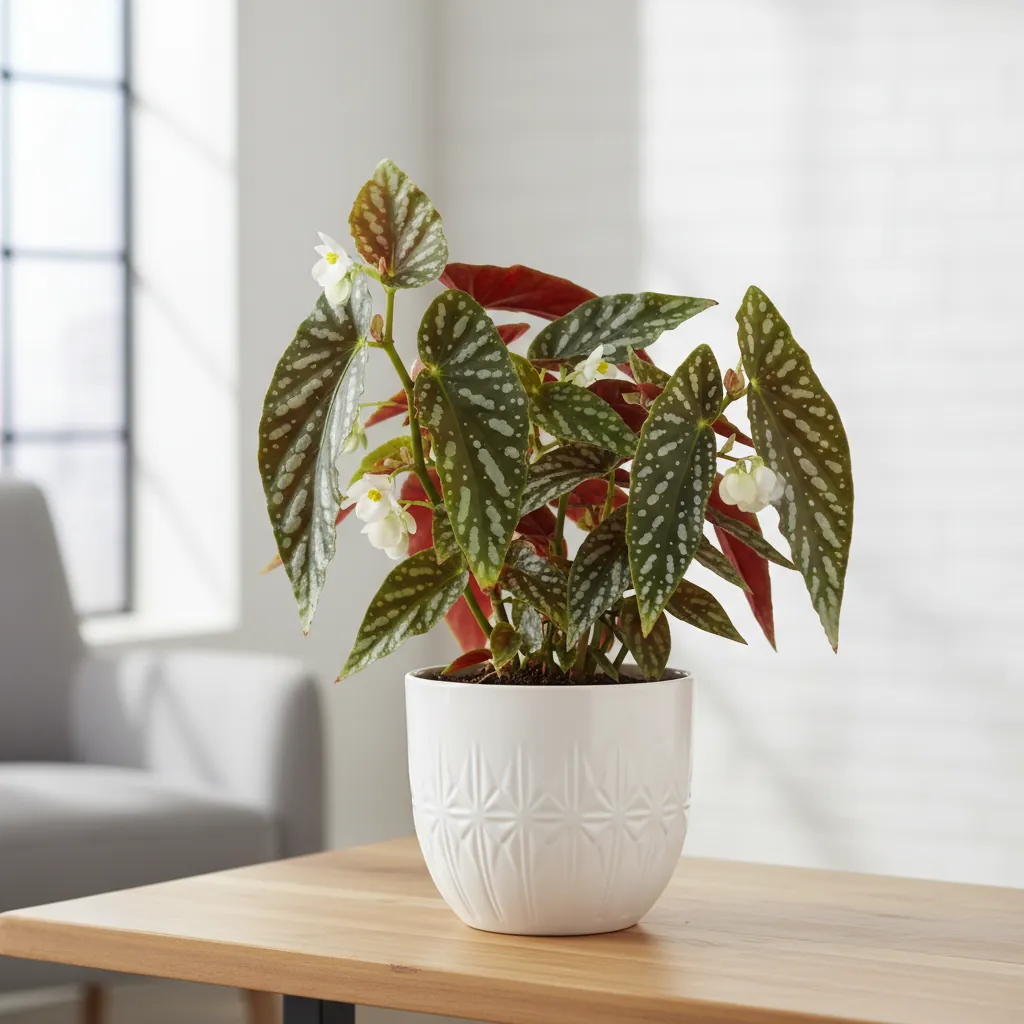
Polka Dot Begonia Care Guide: How to Grow Begonia Maculata Successfully
Contents
- Quick Care Summary
- How Often Should I Water My Polka Dot Begonia?
- What’s the Best Light for a Polka Dot Begonia?
- What Soil and Repotting Does a Polka Dot Begonia Need?
- How Do I Propagate a Polka Dot Begonia?
- Common Polka Dot Begonia Problems and Solutions
- Polka Dot Begonia FAQ
The Polka Dot Begonia (Begonia maculata) is a striking houseplant known for its dark green leaves with silvery-white spots and red undersides. Popular for its dramatic foliage and easy-care nature, this tropical plant thrives in bright indirect light, moderate humidity, and well-draining soil. Below is a complete care guide to keep your Polka Dot Begonia healthy and vibrant.
Quick Care Summary
- Light: Bright, indirect light (avoid direct sun).
- Water: Water when the top inch of soil is dry; reduce frequency in winter.
- Humidity: Prefers 45-60% humidity.
- Temperature: Ideal range 18-30°C (65-85°F); avoid cold drafts.
- Soil: Light, well-draining mix (e.g., peat moss + perlite or palm soil).
- Toxicity: Mildly toxic to pets if ingested.
How Often Should I Water My Polka Dot Begonia?
- Summer: Water every 4-7 days (keep soil moist but not soggy).
- Winter: Reduce to every 2 weeks (let soil dry slightly between waterings).
- Tip: Use room-temperature water and ensure drainage to prevent root rot.
What’s the Best Light for a Polka Dot Begonia?
- Ideal Placement: Bright, indirect light (east/west-facing windows).
- Avoid: Direct sunlight (causes leaf scorch) or deep shade (leads to leggy growth).
- Low-Light Tolerance: Can survive but grows slower with less vibrant spots.
What Soil and Repotting Does a Polka Dot Begonia Need?
- Soil Mix: Use a light, airy blend (e.g., 1:1 potting mix + perlite or African violet soil).
- Repotting: Every 1-2 years in spring; choose a pot 1-2 inches larger with drainage holes.
- Signs to Repot: Roots circling the pot or water draining too quickly.
How Do I Propagate a Polka Dot Begonia?
- Stem Cuttings: Cut a 4-6” stem with nodes, remove lower leaves, and root in water or moist soil.
- Water Propagation: Change water weekly; transplant when roots are 1-2” long.
- Soil Propagation: Cover with a plastic bag to retain humidity until new growth appears.
Common Polka Dot Begonia Problems and Solutions
| Issue | Cause | Fix |
|---|---|---|
| Yellow leaves | Overwatering | Let soil dry; improve drainage. |
| Brown crispy edges | Low humidity or hard water | Use distilled water; increase humidity. |
| Curling leaves | Underwatering or pests | Check soil moisture; inspect for mites/mealybugs. |
| Leggy growth | Low light | Move to brighter indirect light. |
| No spots | Too dark | Increase light exposure. |
Polka Dot Begonia FAQ
Is the Polka Dot Begonia toxic to pets?
Yes, it’s mildly toxic to cats and dogs if ingested (causes mouth irritation). Keep it out of reach.
Why isn’t my Polka Dot Begonia flowering?
It needs bright light, slightly root-bound conditions, and monthly fertilizer in spring/summer.
Can I mist my Polka Dot Begonia?
Avoid misting (risk of fungal issues). Use a humidity tray or humidifier instead.
How fast does it grow?
With good care, it can grow 30-90 cm (1-3 ft) tall indoors in a year.
Should I prune my Polka Dot Begonia?
Yes! Prune leggy stems in spring to encourage bushiness and remove dead leaves.
Related guides
- Aglaonema Care Guide: How to Grow Chinese Evergreen Indoors
- Bird’s Nest Fern Care Guide
- Chinese Evergreen Care Guide
- English Ivy Care Guide
- Fiddle Leaf Fig Care Guide