Pet-Friendly Houseplants: Safe Greenery for Cats and Dogs
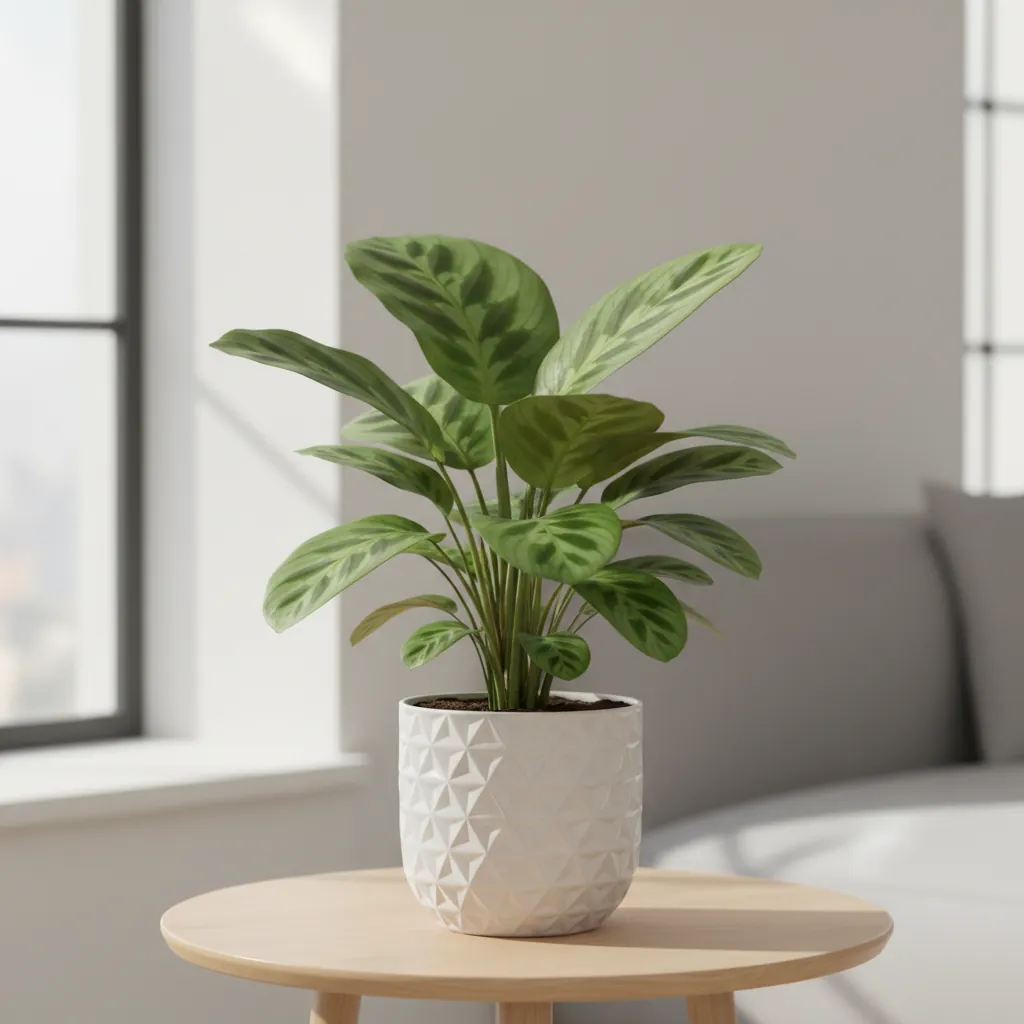
Pet-Friendly Houseplants: Safe Greenery for Cats and Dogs
Contents
- Quick Care Summary
- What Are the Best Pet-Safe Houseplants?
- How Do I Care for Pet-Safe Houseplants?
- FAQs About Pet-Safe Houseplants
- Comparison of Pet-Safe Houseplants
Pet owners can safely enjoy indoor plants by choosing non-toxic varieties like spider plants, Boston ferns, and African violets. These plants are low-maintenance, visually appealing, and harmless to cats and dogs, making them perfect for homes with furry companions.
Quick Care Summary
- Light: Bright, indirect light (varies by plant type).
- Water: Allow soil to dry slightly between waterings.
- Humidity: Moderate to high (40–60%).
- Temperature: 65–75°F (18–24°C).
- Soil: Well-draining, peat-based mix.
- Toxicity: Non-toxic to pets.
What Are the Best Pet-Safe Houseplants?
Pet-friendly houseplants include spider plants, Boston ferns, and prayer plants, which are safe for cats and dogs. These plants are easy to care for and add aesthetic value to your home without risking pet health.
Spider Plant
- Appearance: Long, arching leaves with green and white stripes.
- Care: Thrives in indirect light and moderate watering.
- Benefits: Non-toxic, air-purifying, and easy to propagate.
Boston Fern
- Appearance: Lush, feathery fronds.
- Care: Prefers high humidity and indirect light.
- Benefits: Safe for pets and adds a tropical vibe.
African Violet
- Appearance: Small, velvety leaves with pink or purple blooms.
- Care: Needs bright, indirect light and consistent moisture.
- Benefits: Non-toxic and adds a pop of color.
How Do I Care for Pet-Safe Houseplants?
Watering
Water pet-safe plants when the top inch of soil feels dry. Overwatering can lead to root rot, so ensure proper drainage.
Light & Placement
Place plants in bright, indirect light. Avoid direct sunlight, which can scorch leaves, and keep plants out of reach if pets tend to nibble.
Soil & Repotting
Use a well-draining, peat-based soil mix. Repot every 1–2 years or when roots outgrow the container.
Propagation
Many pet-safe plants, like spider plants, easily propagate from cuttings or offsets. Simply plant cuttings in moist soil or water until roots develop.
Common Problems
- Yellow Leaves: Overwatering or insufficient light.
- Pests: Treat spider mites or aphids with pet-safe insecticidal soap.
- Root Rot: Ensure proper drainage and avoid overwatering.
FAQs About Pet-Safe Houseplants
Are Spider Plants Safe for Cats?
Yes, spider plants are non-toxic to cats and dogs.
Can I Keep a Boston Fern with Pets?
Boston ferns are pet-safe and thrive in humid environments.
What Plants Should I Avoid with Pets?
Avoid toxic plants like pothos, snake plants, and fiddle leaf figs.
Comparison of Pet-Safe Houseplants
| Plant | Light Needs | Watering Frequency | Humidity Needs | Toxicity |
|---|---|---|---|---|
| Spider Plant | Bright, indirect | Moderate | Moderate | Non-toxic |
| Boston Fern | Bright, indirect | Frequent | High | Non-toxic |
| African Violet | Bright, indirect | Moderate | Moderate | Non-toxic |
Related guides
- Air Plant Care Guide: How to Keep Your Tillandsia Thriving
- Spider Plant Care Guide
- Aglaonema Care Guide: How to Grow Chinese Evergreen Indoors
- How to Care for Aloe Vera: A Complete Guide to Thriving Plants
- Anthurium Care Guide: Keep Your Flamingo Flower Thriving