Best Plants for the Bedroom
Best Plants for the Bedroom
Contents
- What Are the Best Low-Maintenance Bedroom Plants?
- Which Bedroom Plants Release Oxygen at Night?
- How Do Bedroom Plants Improve Sleep Quality?
- Quick Care Summary
- How Should I Care for Bedroom Plants?
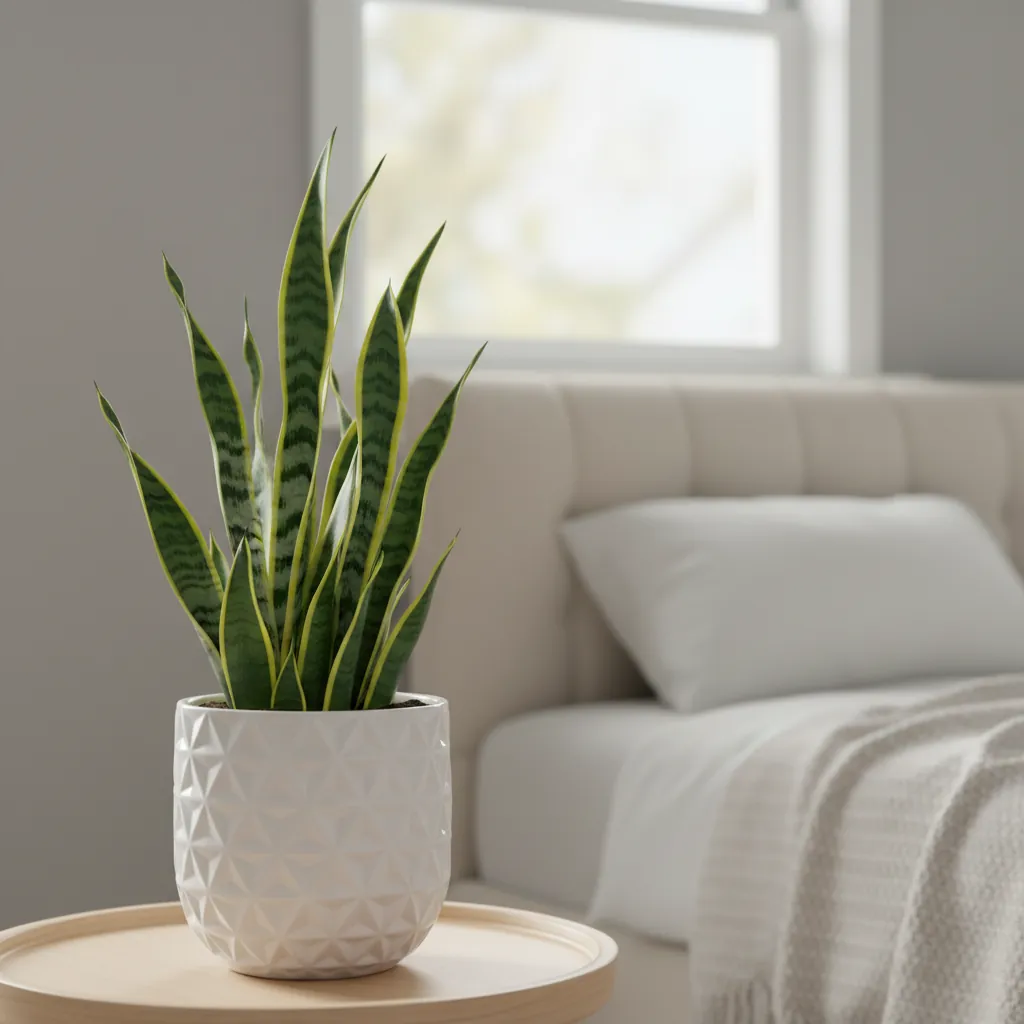
Bedroom plants not only enhance your decor but also improve air quality, reduce stress, and promote better sleep. The best plants for the bedroom include snake plants, pothos, peace lilies, and succulents like aloe vera. These plants are easy to care for, thrive in low-light conditions, and some, like snake plants, release oxygen at night, making them ideal for sleep-friendly spaces.
What Are the Best Low-Maintenance Bedroom Plants?
For those seeking low-maintenance options, snake plants, pothos, and ZZ plants are top choices. These plants tolerate low light, require infrequent watering, and are resilient against neglect.
Which Bedroom Plants Release Oxygen at Night?
Plants that follow Crassulacean Acid Metabolism (CAM), like snake plants, aloe vera, and orchids, release oxygen at night. This makes them excellent for improving bedroom air quality while you sleep.
How Do Bedroom Plants Improve Sleep Quality?
Bedroom plants improve sleep by purifying the air, reducing stress, and increasing humidity. Certain plants, like snake plants and peace lilies, remove toxins such as formaldehyde and benzene, creating a healthier sleeping environment.
Quick Care Summary
- Light: Low to medium indirect light.
- Water: Allow soil to dry between waterings.
- Humidity: Moderate to low (40-60%).
- Temperature: 60-85°F (15-29°C).
- Soil: Well-draining potting mix.
- Toxicity: Some plants (e.g., pothos, peace lilies) are toxic to pets; snake plants and orchids are pet-friendly.
How Should I Care for Bedroom Plants?
Watering
Most bedroom plants prefer to dry out slightly between waterings. Overwatering can lead to root rot, so ensure pots have drainage holes.
Light & Placement
Place plants near a window with indirect light. Low-light plants like snake plants and ZZ plants can thrive farther from windows.
Soil & Repotting
Use a well-draining potting mix and repot plants every 1-2 years or when they outgrow their containers.
Propagation
Snake plants and pothos can be propagated through cuttings in water or soil. Orchids can be divided during repotting.
Common Problems
Watch for pests like spider mites, yellow leaves (overwatering), or brown tips (low humidity). Maintain proper care to prevent issues.
FAQ
Are bedroom plants safe for pets?
Some plants, like snake plants and orchids, are pet-friendly. However, pothos and peace lilies are toxic to pets if ingested.
How many plants should I have in my bedroom?
2-5 plants are sufficient to improve air quality without overcrowding the space.
Can bedroom plants survive in low light?
Yes, snake plants, ZZ plants, and pothos thrive in low-light conditions.
Do bedroom plants need fertilizer?
Fertilize sparingly during the growing season (spring and summer) with a balanced houseplant fertilizer.
Related guides
- The Best Low-Light Indoor Plant: Snake Plant
- Snake Plant Care Guide
- ZZ Plant Care Guide
- Aglaonema Care Guide: How to Grow Chinese Evergreen Indoors
- Air Plant Care Guide: How to Keep Your Tillandsia Thriving