The Best Low-Light Indoor Plant: Snake Plant
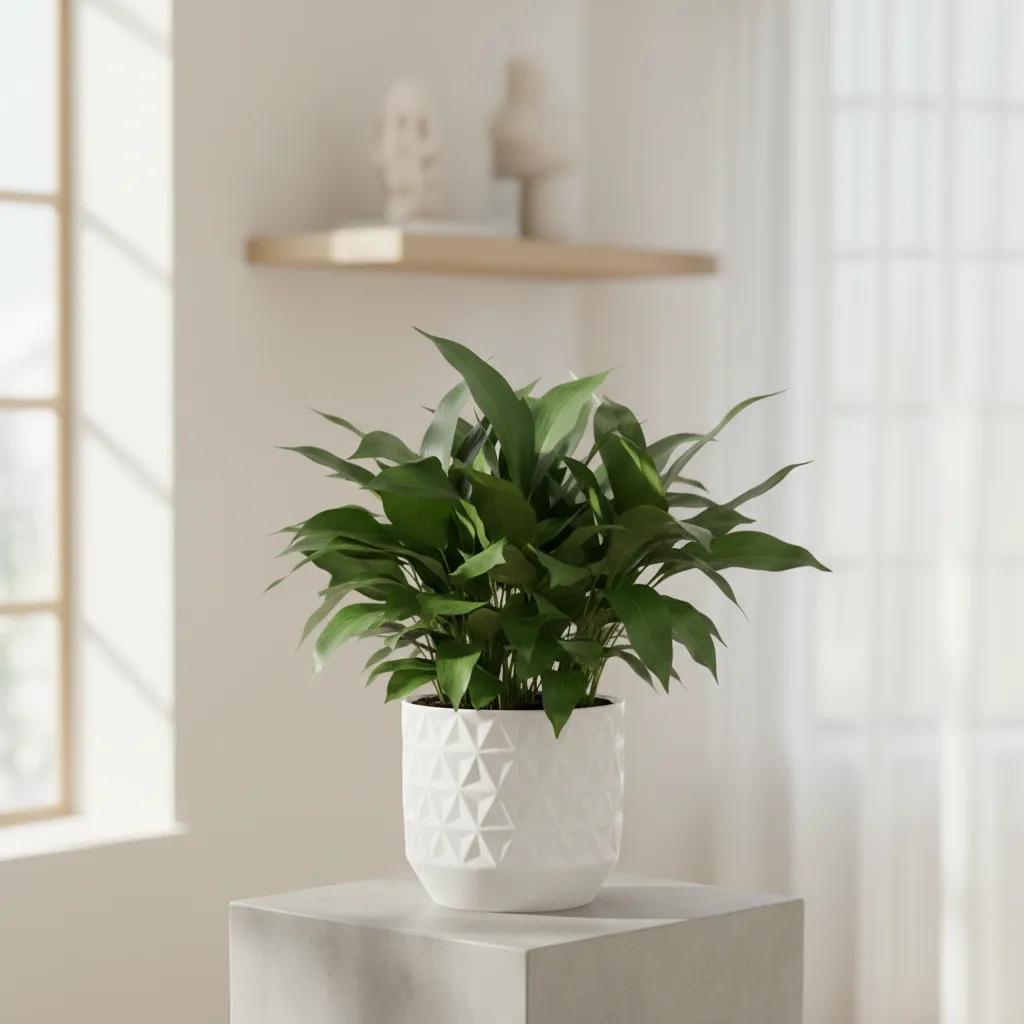
The Best Low-Light Indoor Plant: Snake Plant
Contents
Snake plants, also known as Sansevieria, are one of the most popular low-light indoor plants due to their resilience, air-purifying qualities, and striking architectural appearance. They thrive in low-light conditions and require minimal care, making them ideal for beginners or those with darker spaces.
Quick Care Summary
- Light: Low to indirect light
- Water: Water sparingly; let soil dry completely between waterings
- Humidity: Average indoor humidity
- Temperature: 60-85°F (15-29°C)
- Soil: Well-draining potting mix
- Toxicity: Toxic to pets if ingested
Watering
Snake plants are drought-tolerant and prefer to dry out completely between waterings. Overwatering can lead to root rot, so ensure the soil is dry before watering again. Water every 2-6 weeks, depending on the light and humidity levels.
Light & Placement
Snake plants thrive in low to indirect light, making them perfect for dim corners, north-facing rooms, or areas far from windows. They can tolerate brighter light but avoid direct sunlight, which can scorch the leaves. Rotate the plant occasionally for even growth.
Soil & Repotting
Use a well-draining potting mix, such as cactus or succulent soil, to prevent water retention. Repot every 2-3 years or when the plant becomes root-bound. Choose a pot with drainage holes to avoid waterlogging.
Propagation
Propagate snake plants by dividing the rhizomes or cutting leaf sections. For leaf cuttings, cut a healthy leaf into 2-3 inch sections, let them callous for a few days, and place them in water or soil. Roots will develop in a few weeks.
Common Problems
- Yellow Leaves: Often caused by overwatering or poor drainage.
- Root Rot: Prevent by ensuring soil dries out between waterings.
- Pests: Rarely affected by pests, but occasional mealybugs or spider mites can be treated with insecticidal soap.
FAQ
1. Can snake plants survive in complete darkness?
No, snake plants need at least some indirect light to thrive.
2. Are snake plants pet-friendly?
No, snake plants are toxic to pets if ingested.
3. How often should I water my snake plant?
Water every 2-6 weeks, depending on the environment.
4. Do snake plants purify the air?
Yes, snake plants are known to remove toxins like formaldehyde and benzene from the air.
5. Why are the leaves drooping?
Drooping leaves can result from overwatering or insufficient light.
Related guides
- Best Plants for the Bedroom
- Snake Plant Care Guide
- ZZ Plant Care Guide
- Aglaonema Care Guide: How to Grow Chinese Evergreen Indoors
- Air Plant Care Guide: How to Keep Your Tillandsia Thriving