How to Get Rid of Fungus Gnats on Indoor Plants
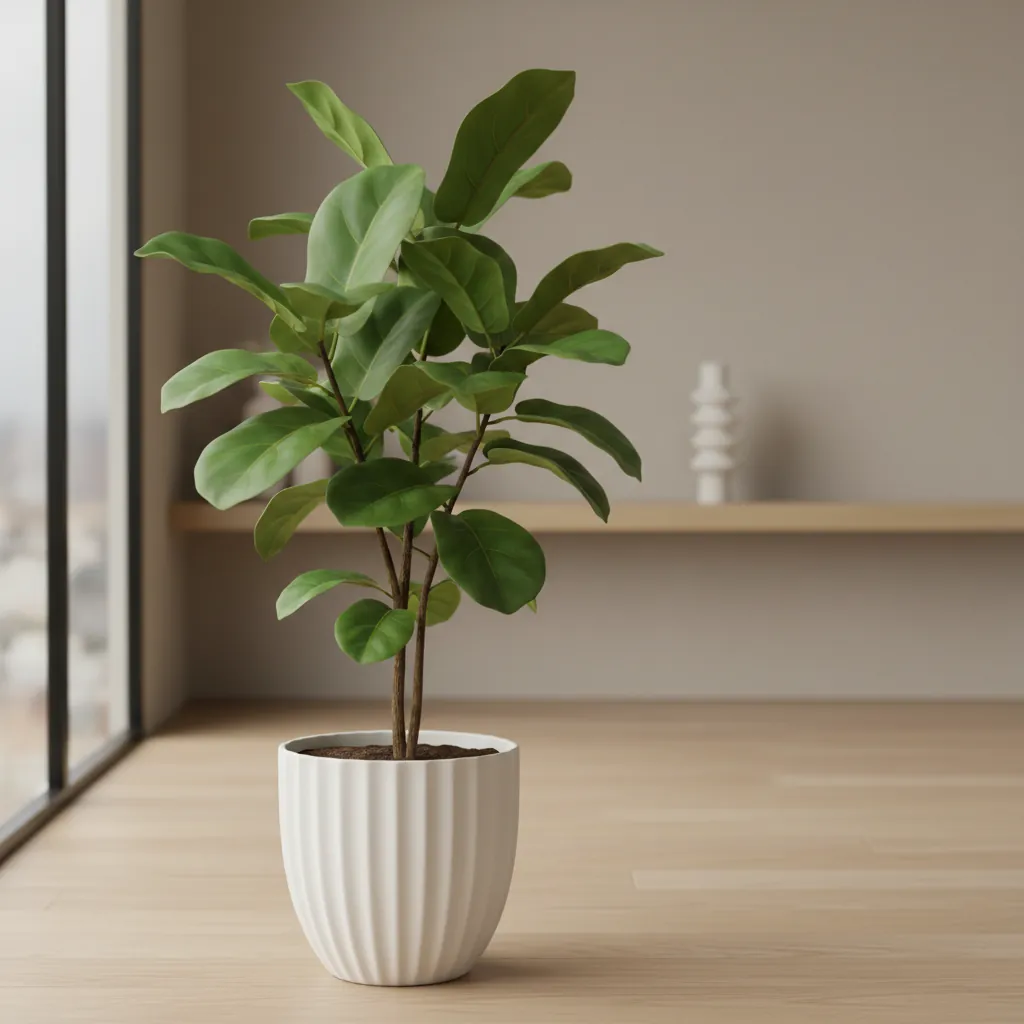
How to Get Rid of Fungus Gnats on Indoor Plants
Contents
- Quick Care Summary
- What Are Fungus Gnats?
- How Do I Recognize a Fungus Gnat Infestation?
- How to Get Rid of Fungus Gnats
- How to Prevent Fungus Gnats
- Comparison of Fungus Gnat Treatments
Fungus gnats are tiny, pesky insects that thrive in moist soil and can harm your indoor plants by damaging their roots. To eliminate them, use methods like sticky traps, drying out the soil, or natural remedies such as hydrogen peroxide or neem oil. Consistency is key to breaking their life cycle.
Quick Care Summary
Here’s a quick care guide for indoor plants susceptible to fungus gnats:
- Light: Bright, indirect light
- Water: Allow the top 1-2 inches of soil to dry between waterings
- Humidity: Moderate (40-60%)
- Temperature: 65-75°F (18-24°C)
- Soil: Well-draining, sterile potting mix
- Toxicity: Varies by plant; check specific species for pet safety
What Are Fungus Gnats?
Fungus gnats are small, dark-colored flies that resemble mosquitoes but don’t bite. They’re attracted to damp soil and organic matter, where they lay eggs. The larvae feed on fungi, organic material, and plant roots, potentially stunting plant growth or causing root damage.
How Do I Recognize a Fungus Gnat Infestation?
Look for:
- Tiny flies buzzing around plants or soil.
- Larvae in the soil (white with black heads).
- Wilting, yellowing, or stunted plant growth.
How to Get Rid of Fungus Gnats
1. Sticky Traps
Place yellow sticky traps near plants to catch adult gnats. This won’t eliminate larvae but reduces the population.
2. Dry Out the Soil
Fungus gnats thrive in moist environments. Let the top 1-2 inches of soil dry completely before watering again.
3. Hydrogen Peroxide Solution
Mix 1 part 3% hydrogen peroxide with 4 parts water and water your plants. This kills larvae on contact.
4. Mosquito Bits/Dunks
These contain Bacillus thuringiensis israelensis (Bti), which targets larvae. Crumble bits into the soil or soak dunks in water overnight before watering.
5. Neem Oil
Mix neem oil with water and spray it on the soil. It disrupts the gnats’ life cycle by killing larvae and repelling adults.
6. Cinnamon or Sand
Sprinkle cinnamon (a natural fungicide) or a thin layer of horticultural sand on the soil surface to deter egg-laying.
7. Repotting
For severe infestations, repot the plant with fresh, sterile soil after removing as much old soil as possible.
How to Prevent Fungus Gnats
- Avoid Overwatering: Let soil dry between waterings to discourage gnats.
- Use Well-Draining Soil: Add perlite or sand to improve drainage.
- Inspect New Plants: Check for gnats or larvae before bringing them home.
- Clean Plant Debris: Remove fallen leaves or decaying matter from the soil surface.
- Isolate Infested Plants: Prevent gnats from spreading to other plants.
Comparison of Fungus Gnat Treatments
| Treatment | Effectiveness | Pros | Cons |
|---|---|---|---|
| Sticky Traps | High (adults) | Easy to use, non-toxic | Doesn’t kill larvae |
| Hydrogen Peroxide | High (larvae) | Fast-acting, safe for plants | Temporary solution |
| Mosquito Bits/Dunks | High (larvae) | Long-lasting, natural | Takes time to see results |
| Neem Oil | Moderate | Repels adults, kills larvae | Messy, strong odor |
| Dry Soil | Moderate | Prevents egg-laying, simple | Not effective for existing larvae |
| Repotting | High | Removes larvae and eggs | Time-consuming, stressful for plants |
FAQ
1. Are fungus gnats harmful to humans?
No, they don’t bite or transmit diseases. However, they can be a nuisance.
2. Can I use vinegar to kill fungus gnats?
Vinegar traps work for some gnats but are less effective for fungus gnats. Sticky traps or soil treatments are better.
3. How long does it take to get rid of fungus gnats?
It can take 1-2 months with consistent treatments like mosquito bits and sticky traps.
4. Can I use regular sand to prevent fungus gnats?
Use horticultural sand, not play sand, as it’s finer and prevents egg-laying effectively.
5. Are mosquito bits safe for pets?
Yes, mosquito bits are non-toxic to pets and humans when used as directed.
Related guides
- Snake Plant (Sansevieria): The Ultimate Beginner’s Houseplant
- The Best Low-Light Indoor Plant: Snake Plant
- Best Plants for the Bedroom
- How Often to Fertilize Houseplants
- How to Fix Root Rot in Indoor Plants: A Complete Guide