Snake Plant (Sansevieria): The Ultimate Beginner's Houseplant
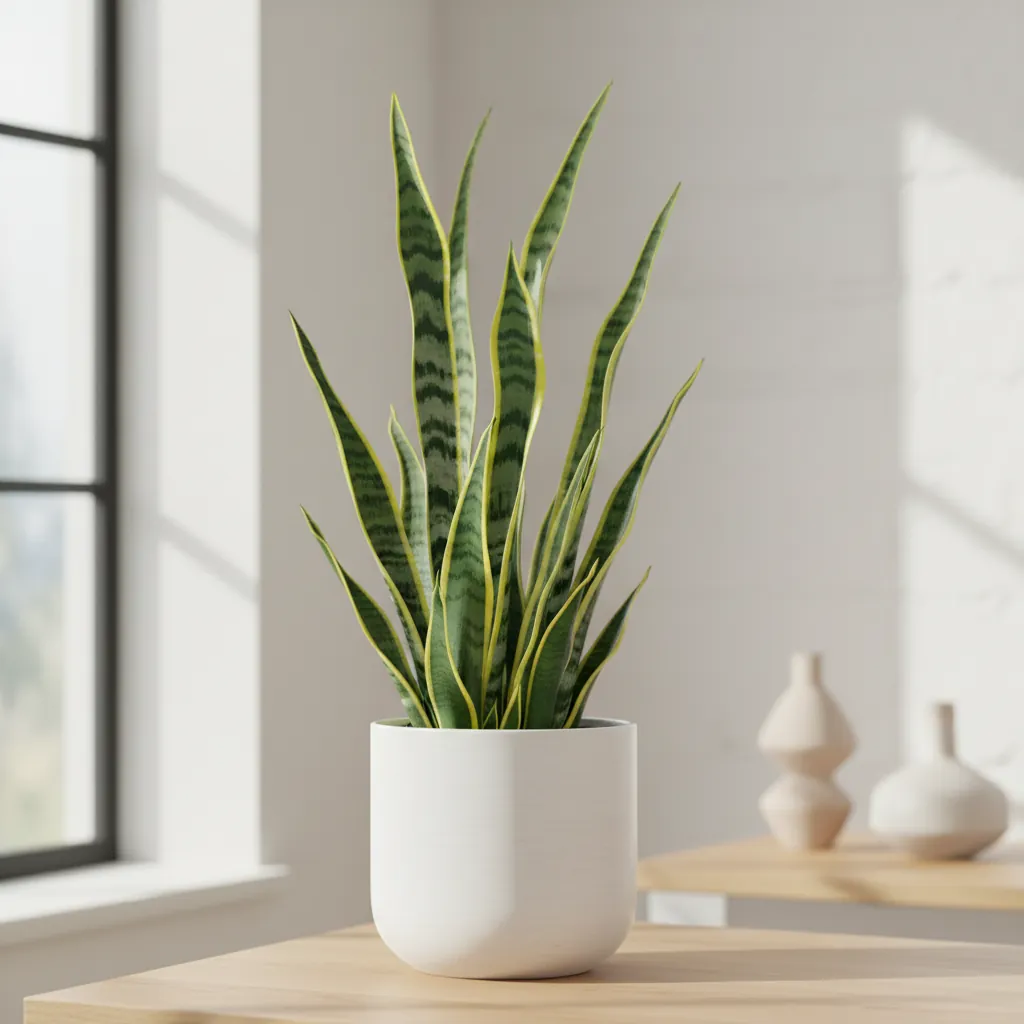
Snake Plant (Sansevieria): The Ultimate Beginner’s Houseplant
Contents
- Quick Care Summary
- How Often Should I Water My Snake Plant?
- Where Should I Place My Snake Plant?
- Soil and Repotting Guide
- How to Propagate Snake Plant
- Common Problems and Solutions
- FAQ: Snake Plant Questions Beginners Actually Ask
The snake plant (Sansevieria) is one of the best indoor plants for beginners due to its extreme drought tolerance, adaptability to various light conditions, and air-purifying qualities. Its upright, sword-like leaves with striking patterns thrive with minimal care, making it ideal for first-time plant owners.
Quick Care Summary
- Light: Low to bright indirect (tolerates direct sun but may scorch)
- Water: Every 2-8 weeks; let soil dry completely between waterings
- Humidity: Tolerates standard household humidity (30-50%)
- Temperature: 60-85°F (15-29°C); avoid below 50°F (10°C)
- Soil: Well-draining mix (cactus/succulent blend ideal)
- Toxicity: Mildly toxic to pets if ingested (contains saponins)
How Often Should I Water My Snake Plant?
Water only when the soil is completely dry, typically every 2-8 weeks depending on light and season. In low light, water less frequently (every 6-8 weeks). Signs of overwatering include mushy leaves, while underwatering causes wrinkled, crispy leaf edges. Always use pots with drainage holes.
Where Should I Place My Snake Plant?
Best Light Conditions:
- Low light: Survives but grows very slowly
- Bright indirect light: Ideal for steady growth
- Direct sun: Tolerates 2-4 hours but may bleach leaves
Placement Tips:
- East-facing windowsills for gentle morning sun
- Office spaces with fluorescent lighting
- Bedrooms (oxygenates air at night)
Soil and Repotting Guide
Soil Mix:
- 50% cactus/succulent soil + 50% perlite/pumice
- Alternative: Standard potting mix with extra sand
Repotting:
- Frequency: Every 2-3 years (when roots circle pot)
- Best time: Spring/summer
- Pot size: Only 1-2 inches larger than current
- Warning: Overpotting leads to root rot
How to Propagate Snake Plant
3 Reliable Methods:
- Leaf cuttings: Cut leaf into 2-inch sections, plant vertically
- Division: Separate pups (baby plants) from mother plant
- Rhizome cuttings: Cut and plant underground stems
Note: Variegated varieties may revert to solid green when propagated from leaf cuttings.
Common Problems and Solutions
| Issue | Cause | Solution |
|---|---|---|
| Yellow leaves | Overwatering | Stop watering; check roots |
| Brown tips | Low humidity/fluoride | Use distilled water; trim edges |
| Wrinkled leaves | Underwatering | Soak pot thoroughly |
| No growth | Low light/seasonal | Move to brighter location |
| Mealybugs | Pest infestation | Wipe with alcohol-soaked cotton |
FAQ: Snake Plant Questions Beginners Actually Ask
Q: Can snake plants live in dark rooms?
A: Yes, but growth will be extremely slow. Rotate with brighter spots every few months.
Q: Why hasn’t my snake plant grown in a year?
A: Normal in low light or winter. Expect 2-4 new leaves annually in ideal conditions.
Q: Are snake plants really unkillable?
A: Nearly! They die most often from overwatering, cold drafts, or extreme low light.
Q: How do I make my snake plant grow taller?
A: Provide bright indirect light, occasional fertilizer (spring/summer), and proper pot size.
Q: Is the “mother-in-law’s tongue” nickname accurate?
A: Yes - refers to both the sharp leaf shape and the plant’s tough, enduring nature.
Related guides
- The Best Low-Light Indoor Plant: Snake Plant
- Best Plants for the Bedroom
- How Often to Fertilize Houseplants
- How to Fix Root Rot in Indoor Plants: A Complete Guide
- How to Get Rid of Fungus Gnats on Indoor Plants