Air Plant Care Guide: How to Keep Your Tillandsia Thriving
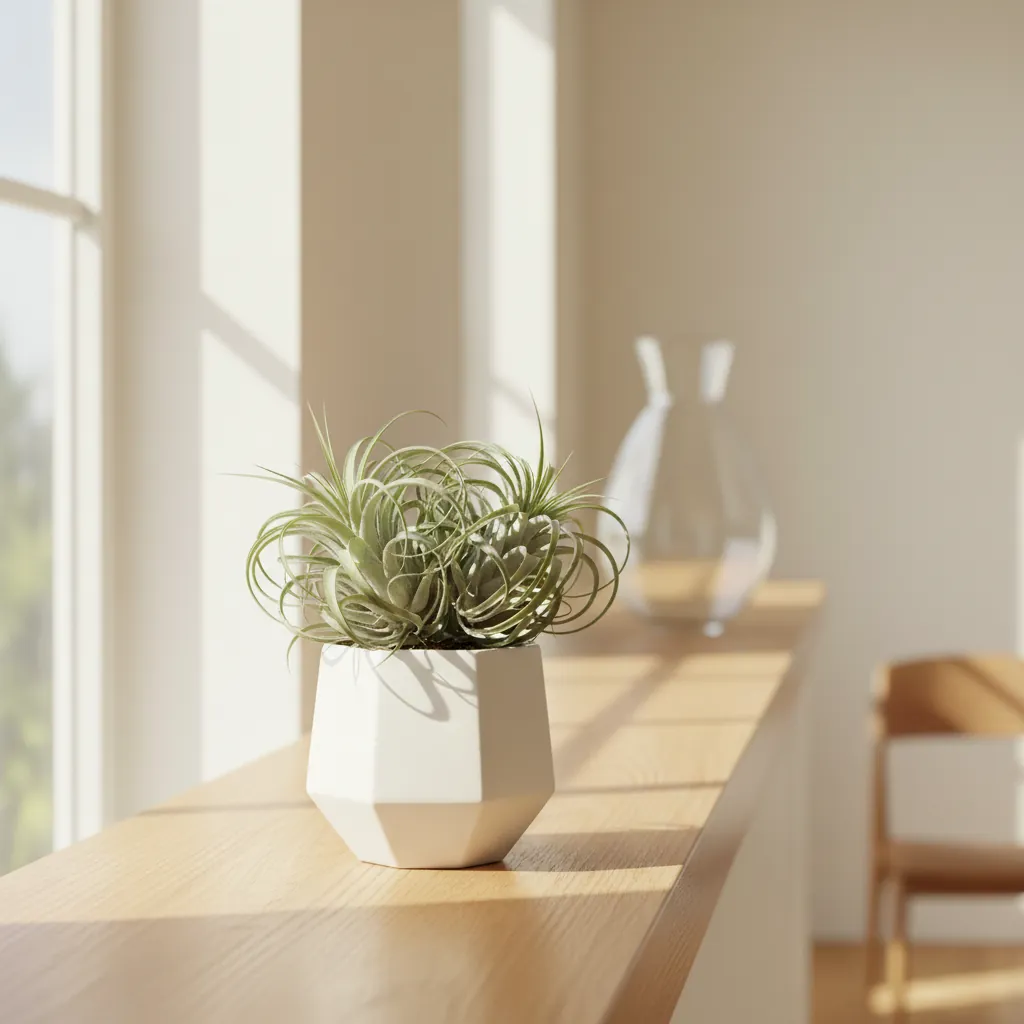
Air Plant Care Guide: How to Keep Your Tillandsia Thriving
Contents
- Quick Care Summary
- How Often Should I Water My Air Plant?
- What’s the Best Light and Placement for Air Plants?
- Do Air Plants Need Soil or Repotting?
- How Do I Propagate Air Plants?
- What Are Common Air Plant Problems?
- Air Plant Care FAQ
Air plants, scientifically known as Tillandsia, are unique houseplants that don’t require soil to grow. They absorb water and nutrients through their leaves, making them low-maintenance and versatile for creative displays. Popular for their unusual appearance and ease of care, air plants are perfect for beginners and experienced plant enthusiasts alike.
Quick Care Summary
- Light: Bright, indirect light; avoid harsh afternoon sun.
- Water: Soak weekly for 20-30 minutes; mist as needed.
- Humidity: Moderate to high humidity preferred.
- Temperature: Keep between 50–90°F (10–32°C).
- Soil: No soil required; thrives with good air circulation.
- Toxicity: Non-toxic and pet-safe.
How Often Should I Water My Air Plant?
Air plants need more than just misting. Submerge them in room-temperature water for 20-30 minutes weekly. After soaking, shake off excess water and let them dry completely upside down in a well-ventilated area for about 4 hours. Avoid tap water with high chlorine levels; use rainwater, spring water, or filtered water instead. Overwatering or insufficient drying can lead to rot.
What’s the Best Light and Placement for Air Plants?
Air plants thrive in bright, indirect light. Place them near a window with filtered sunlight or provide artificial grow lights if natural light is limited. Avoid prolonged exposure to direct afternoon sun, which can scorch their leaves. They also love fresh air, so consider moving them outdoors to a shady spot during warm months.
Do Air Plants Need Soil or Repotting?
Air plants don’t need soil, as it can retain moisture and cause rot. Instead, attach them to creative displays like driftwood, cork bark, or hanging terrariums. Ensure ample airflow around the plant to prevent stagnation. Repotting isn’t necessary, but you can refresh their display by removing dead leaves and trimming roots if present.
How Do I Propagate Air Plants?
After blooming, air plants produce offsets, or “pups.” Once these pups reach about one-third the size of the parent plant, gently separate them. Ensure they’re dry before transferring to a new display. Propagation is simple and allows you to expand your collection effortlessly.
What Are Common Air Plant Problems?
- Yellow Leaves: Often caused by overwatering or insufficient light. Adjust watering frequency and relocate to a brighter spot.
- Root Rot: A result of inadequate drying after soaking. Always ensure the plant dries completely.
- Brown Tips: Indicates underwatering or low humidity. Increase misting or soaking frequency.
- Pests: Rare but can include mealybugs or scale. Remove pests gently with a soft brush or rinse the plant in water.
Air Plant Care FAQ
Q: Can I use tap water for my air plant?
A: Tap water is acceptable if it’s low in chlorine. For best results, use rainwater, filtered water, or bottled spring water.
Q: How often should I fertilize my air plant?
A: Fertilize monthly during the growing season with a diluted, water-soluble fertilizer. Avoid overfeeding, as it can harm the plant.
Q: Can air plants survive in low light?
A: While they prefer bright, indirect light, they can tolerate low light for short periods. Supplement with grow lights if needed.
Q: Are air plants safe for pets?
A: Yes, air plants are non-toxic and pet-safe. However, keep them out of reach to prevent choking hazards or digestive issues.
Q: Why is my air plant not blooming?
A: Air plants bloom only once in their lifetime. After blooming, they will produce pups, continuing the cycle.
By following these care tips, your air plant will thrive and add a unique touch to your indoor space.
Related guides
- Spider Plant Care Guide
- How to Care for Aloe Vera: A Complete Guide to Thriving Plants
- Anthurium Care Guide: Keep Your Flamingo Flower Thriving
- Bird of Paradise Plant Care: Complete Indoor Growing Guide
- Boston Fern Care Guide: How to Keep Your Fern Thriving